
Advisory Body Calls for Stricter Screening of Foreign Investment in Japanese Companies; Asks Finance Ministry to Cooperate with Intelligence Agencies on Checks
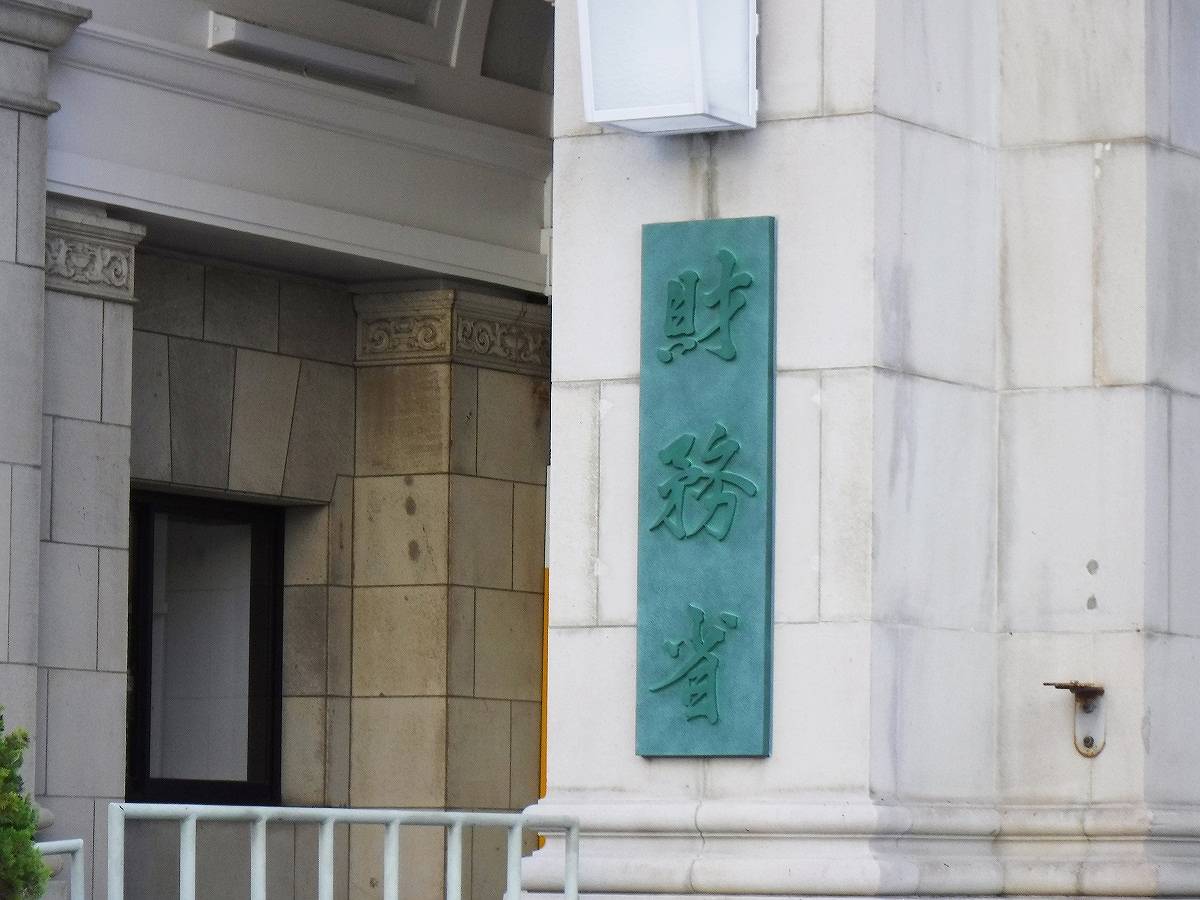
The Finance Ministry in Chiyoda Ward, Tokyo
3:00 JST, January 9, 2026
A report submitted this week to Finance Minister Satsuki Katayama asks the Finance Ministry to cooperate with intelligence agencies to reinforce the screening of investments in Japanese companies made by foreign entities.
The proposal was made by the Council on Customs, Tariff, Foreign Exchange and Other Transactions, an advisory body to the finance minister. It follows the government’s move to discuss establishing a “Japanese version” of America’s CFIUS, the Committee on Foreign Investment in the United States.
The council called for the government to reinforce the system in which the Finance Ministry, the National Security Secretariat and related government bodies cooperate to review investments made by foreign investors. The role of intelligence agencies in the process is not clearly defined under the current screening system.
After receiving the report, Katayama announced her intention to establish a committee involving relevant ministries and agencies, including the National Security Secretariat. “We would like to improve the effectiveness of the screening process,” she said.
The government plans to reinforce regulations on investments made by foreign entities by submitting a bill to revise the Foreign Exchange and Foreign Trade Law to the ordinary Diet session scheduled to convene on Jan. 23.
The report also proposed exempting certain actions, such as the reappointment of executives, from the prior notification requirement in order to reduce the burden of screening. According to the Finance Ministry, 2,903 prior notifications were submitted in fiscal 2024, about eight times the number in the United States, which has a similar screening system.
Additionally, the report requested the government to obligate foreign companies to file reports when acquiring another foreign company that holds stock in a Japanese company, in accordance with the degree of security risk.
There is only one case in the past in which the government has ordered or recommended a foreign entity to halt its investment in a Japanese company. The advisory body aims to improve the effectiveness of the screening process by narrowing down its scope while strengthening the monitoring of potentially problematic investments.







Most Read
Popular articles in the past 24 hours
-

Ukrainian Ambassador Closely Watching Japan’s Revision of Defense...
-

Milano Cortina 2026: Sakamoto Serves as Flag Bearer; Japan Earns ...
-

Milano Cortina 2026: There Were Cheers across the Country, after ...
-
Emperor Turns 66 Ahead of Disaster Milestones
-

Luna Sea Drummer Shinya Dies at 56; Powerful Drummer Behind ‘Desi...
-

Milano Cortina 2026: ‘Magical’ Italian Games Close wi...
-

Milano Cortina 2026: Riku-Ryu Duo Stick Together During Closing C...
-

1.2 Mil. Rapeseed Flowers Attract Cute Birds, People in Aichi Pre...
Popular articles in the past week
-

Japan PM Takaichi’s Cabinet Resigns en Masse
-

Man Infected with Measles Reportedly Dined at Restaurant in Tokyo...
-

Sanae Takaichi Elected Prime Minister of Japan; Keeps All Cabinet...
-

Japan's Govt to Submit Road Map for Growth Strategy in March, PM ...
-

Bus Carrying 40 Passengers Catches Fire on Chuo Expressway; All E...
-

Milano Cortina 2026: Figure Skaters Riku Miura, Ryuichi Kihara Pa...
-

U.S. Firm to Build Training Hub in Fukushima N-plant for Debris R...
-

Japan, U.S. Name 3 Inaugural Investment Projects; Reached Agreeme...
Popular articles in the past month
-
Japan PM Takaichi’s Cabinet Resigns en Masse
-

Japan Institute to Use Domestic Commercial Optical Lattice Clock ...
-

Israeli Ambassador to Japan Speaks about Japan’s Role in the Reco...
-
Man Infected with Measles Reportedly Dined at Restaurant in Tokyo...
-

Videos Plagiarized, Reposted with False Subtitles Claiming ‘Ryuky...
-

Man Infected with Measles May Have Come in Contact with Many Peop...
-

Prudential Life Insurance Plans to Fully Compensate for Damages C...
-

Woman with Measles Visited Hospital in Tokyo Multiple Times Befor...
Top Articles in Business
-
Prudential Life Insurance Plans to Fully Compensate for Damages Caused by Fraudulent Actions Without Waiting for Third-Party Committee Review
-
Narita Airport, Startup in Japan Demonstrate Machine to Compress Clothes for Tourists to Prevent People from Abandoning Suitcases
-
Japan, U.S. Name 3 Inaugural Investment Projects; Reached Agreement After Considerable Difficulty
-

Toyota Motor Group Firm to Sell Clean Energy Greenhouses for Strawberries
-

SoftBank Launches AI Service for Call Centers That Converts Harsh Customer Voices into Softer Voices
JN ACCESS RANKING
-
Japan PM Takaichi’s Cabinet Resigns en Masse
-
Japan Institute to Use Domestic Commercial Optical Lattice Clock to Set Japan Standard Time
-
Israeli Ambassador to Japan Speaks about Japan’s Role in the Reconstruction of Gaza
-
Man Infected with Measles Reportedly Dined at Restaurant in Tokyo Station
-
Videos Plagiarized, Reposted with False Subtitles Claiming ‘Ryukyu Belongs to China’; Anti-China False Information Also Posted in Japan