
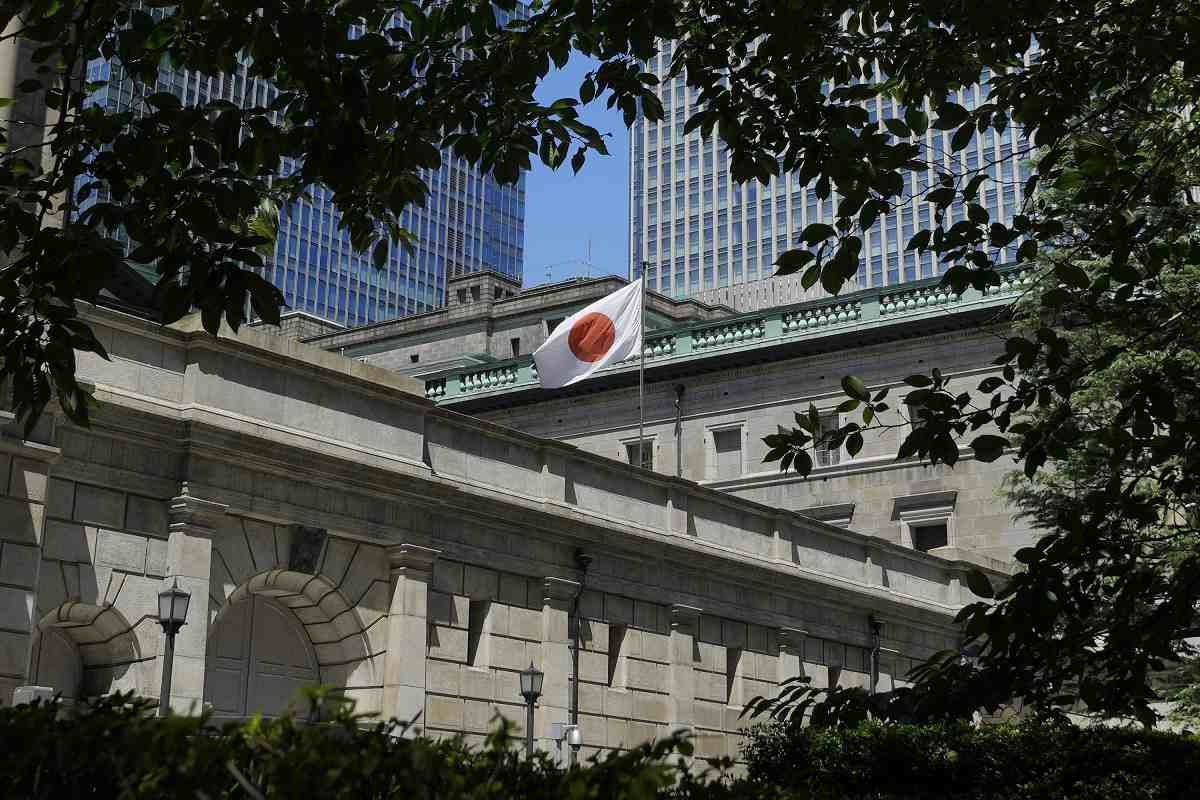
The Bank of Japan
10:08 JST, December 13, 2024
TOKYO (Reuters) — Japanese big manufacturers’ sentiment improved slightly in the three months to December, a quarterly survey showed on Friday, boding well for the central bank’s plans to gradually raise interest rates from near-zero levels.
The data comes ahead of the Bank of Japan’s two-day policy meeting next week, when the board will debate whether to lift rates from the current 0.25%.
The headline index measuring big manufacturers’ business confidence stood at +14 in December, up from +13 three months ago and marking the highest reading since March 2022, the BOJ’s “tankan” quarterly survey showed on Friday. It compared with a median market forecast for +12.
Companies seem to be weathering headwinds from China’s economic weakness. This is good news for the BOJ and shows things are on track for the economy and prices, said Saisuke Sakai, chief economist at Mizuho Research & Technologies.
But the outlook is highly uncertain due partly to U.S. president-elect Donald Trump’s tariff policies, which could weigh on automakers’ profits ahead, he said.
An index gauging big manufacturers’ sentiment declined slightly to +33 from +34 in September, compared with a median market forecast for a reading of +32.
Big manufacturers and non-manufacturers expect conditions to worsen in the three months ahead, the survey showed.
Big companies expect to increase capital expenditure by 11.3% in the fiscal year ending in March, compared with a 10.6% gain projected in the previous survey in September. The increase was bigger than market forecasts for a 9.6% rise.
The BOJ ended negative interest rates in March and raised its short-term policy rate to 0.25% in July on the view Japan was making steady progress towards sustainably achieving its 2% inflation target.
BOJ Governor Kazuo Ueda has said the central bank will continue to raise rates if companies keep hiking prices and wages due to optimism over the outlook, and help keep inflation durably around its 2% target.
The tankan’s sentiment diffusion indexes are derived by subtracting the number of respondents who say conditions are poor from those who say they are good. A positive reading means optimists outnumber pessimists.







Most Read
Popular articles in the past 24 hours
-
Business Hotels Expanding into Regional Areas in Japan, Aiming to...
-
Milano Cortina 2026: Japan Sees Leap in Olympic Performance Throu...
-

Milano Cortina 2026: Japan's Satoshi Furuno Places 4th in Men's S...
-
6 Injured at Naked Festival in Japan’s Okayama Prefecture; Police...
-

Fiji Defense Minister Hopes Japan Will Support Stabilization of P...
-

Milano Cortina 2026: Malinin Highlights Dangers of Social Media i...
-

Space One Delays Launch of No. 3 Kairos Rocket; Company to Announ...
-

3rd Japan Pacific Islands Defense Dialogue to Begin in Tokyo on S...
Popular articles in the past week
-

Japan PM Takaichi’s Cabinet Resigns en Masse
-

Man Infected with Measles Reportedly Dined at Restaurant in Tokyo...
-

Sanae Takaichi Elected Prime Minister of Japan; Keeps All Cabinet...
-

Japan's Govt to Submit Road Map for Growth Strategy in March, PM ...
-

Bus Carrying 40 Passengers Catches Fire on Chuo Expressway; All E...
-

Milano Cortina 2026: Figure Skaters Riku Miura, Ryuichi Kihara Pa...
-
Japan, U.S. Name 3 Inaugural Investment Projects; Reached Agreeme...
-
U.S. Firm to Build Training Hub in Fukushima N-plant for Debris R...
Popular articles in the past month
-
Japan PM Takaichi’s Cabinet Resigns en Masse
-

Japan Institute to Use Domestic Commercial Optical Lattice Clock ...
-

Israeli Ambassador to Japan Speaks about Japan’s Role in the Reco...
-
Man Infected with Measles Reportedly Dined at Restaurant in Tokyo...
-

Videos Plagiarized, Reposted with False Subtitles Claiming ‘Ryuky...
-

Man Infected with Measles May Have Come in Contact with Many Peop...
-

Prudential Life Insurance Plans to Fully Compensate for Damages C...
-

Woman with Measles Visited Hospital in Tokyo Multiple Times Befor...
Top Articles in Business
-
Prudential Life Insurance Plans to Fully Compensate for Damages Caused by Fraudulent Actions Without Waiting for Third-Party Committee Review
-
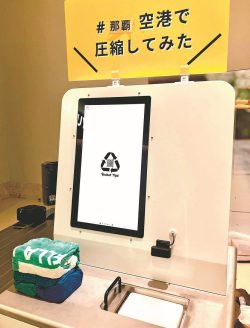
Narita Airport, Startup in Japan Demonstrate Machine to Compress Clothes for Tourists to Prevent People from Abandoning Suitcases
-
Japan, U.S. Name 3 Inaugural Investment Projects; Reached Agreement After Considerable Difficulty
-

Toyota Motor Group Firm to Sell Clean Energy Greenhouses for Strawberries
-

SoftBank Launches AI Service for Call Centers That Converts Harsh Customer Voices into Softer Voices
JN ACCESS RANKING
-
Japan PM Takaichi’s Cabinet Resigns en Masse
-
Japan Institute to Use Domestic Commercial Optical Lattice Clock to Set Japan Standard Time
-
Israeli Ambassador to Japan Speaks about Japan’s Role in the Reconstruction of Gaza
-
Man Infected with Measles Reportedly Dined at Restaurant in Tokyo Station
-
Videos Plagiarized, Reposted with False Subtitles Claiming ‘Ryukyu Belongs to China’; Anti-China False Information Also Posted in Japan