
Kashiwazaki-Kariwa Nuclear Reactor Restarts after Delay; TEPCO Plans to Begin Commercial Operation in February
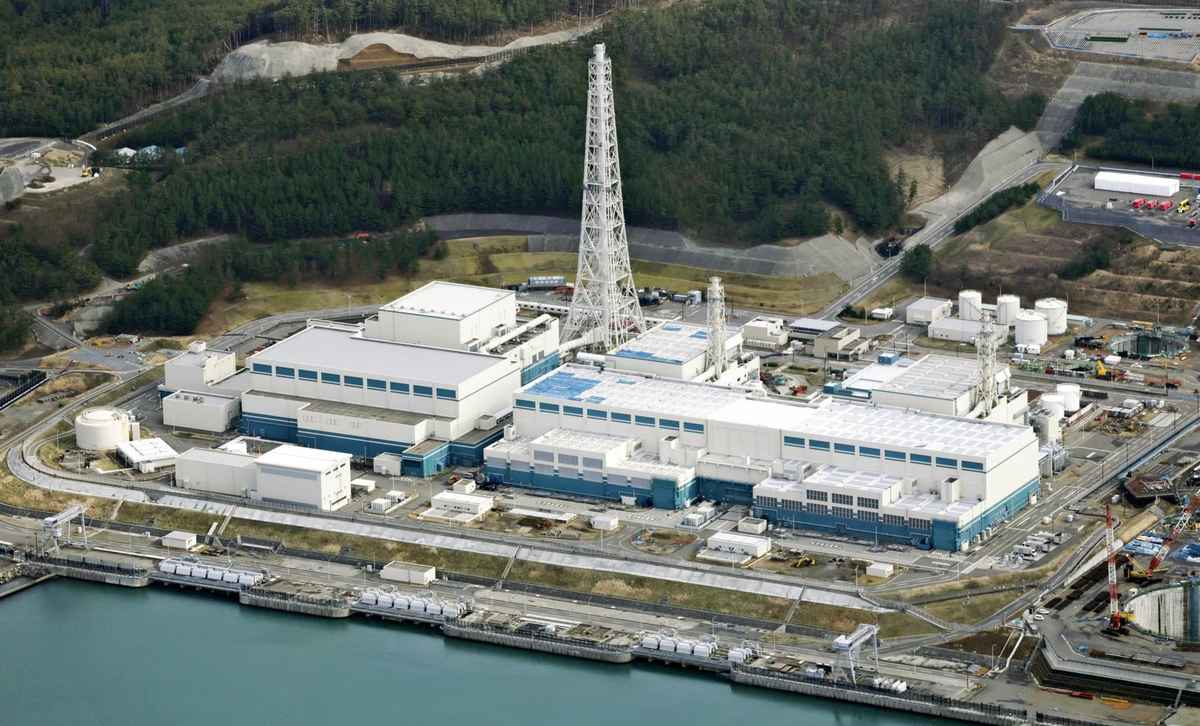
The Kashiwazaki-Kariwa nuclear power station in Niigata Prefecture
2:00 JST, January 22, 2026
Tokyo Electric Power Company Holdings, Inc. restarted the No. 6 reactor at its Kashiwazaki-Kariwa nuclear power station in Niigata Prefecture on Wednesday evenng.
The reactor has an output of about 1.36 million kilowatts. This marks the first time for TEPCO to bring a reactor back online since the 2011 accident at its Fukushima No. 1 nuclear power plant, and it is the 15th reactor to resume operations in Japan.
TEPCO initially planned to restart the reactor on Tuesday but postponed the move to check a warning system for control rods, which suppress nuclear fission. The delay was triggered by a setting error on Saturday that prevented an alarm from sounding.
TEPCO finished inspecting the alarm system early Wednesday. After making final adjustments and obtaining approval from the Nuclear Regulation Authority, the utility withdrew control rods to activate the reactor.
The reactor was expected to reach criticality, a state in which a nuclear fission reaction continues in a stable manner, in about two hours.
TEPCO is expected to begin trial power generation as early as later this month. The company will inspect equipment driven by steam from the reactor and gradually ramp up the generator’s output.
Given that nearly 14 years have passed since the reactor was taken offline in March 2012, TEPCO plans to temporarily shut it down to inspect equipment for irregularities.
If no issues are found, the company plans to start commercial operation on Feb. 26 after a final confirmation by the NRA.
The No. 6 reactor is an advanced boiling water reactor (ABWR), which is considered to offer enhanced safety compared to the boiling water reactors (BWRs) at the Fukushima No. 1 plant.
Reflecting lessons from the Fukushima nuclear disaster, new regulatory standards enforced in 2013 require power companies to enhance countermeasures against earthquakes and tsunami.
The Kashiwazaki-Kariwa plant is equipped with a seawall 15 meters above sea level, devices to prevent hydrogen explosions and multiple backup power sources to prepare for power loss.


Related Tags
Most Read
Popular articles in the past 24 hours
-

Strait of Hormuz Closure Shakes Markets; Prolonged Closure Could ...
-

Iran Situation: Japan Must Exert Diplomatic Efforts without Merel...
-
Measles Patient Visited Hospital in Bunkyo Ward, Tokyo, Metropoli...
-

Milano Cortina 2026: Japanese Figure Skater Miura Returns to Home...
-

Takayama Among World's Top 10 Most Welcoming Cities for 2026; 2nd...
-
2 of Japan's Opposition Parties Submit Bill to Revise Political F...
-
Chiba Police to Arrest Japanese National in Midair; Man Accused o...
-
Former Nomura Securities Employee Given 18-year Prison Sentence f...
Popular articles in the past week
-
Milano Cortina 2026: Japanese Gold Medalist Figure Skater Miura S...
-
Tokyo Spends Big on Children, Wins Over Parents
-
Japan’s Miura, Kihara Announce Withdrawal from Figure Skating Wor...
-

Yokohama to Test Out Renewable-Powered Offshore Floating Data Cen...
-
BOJ Keeping Eye on Economy and Takaichi's ‘Proactive Fiscal Polic...
-
Tokyo Measles Patient Traveled to Fukuoka Aboard JAL Planes; Susp...
-
Japan’s Takaichi Speaks on New U.S. Tariff in Upper House, Says P...
-
Nidec Chairman Resigns Amid Accounting Scandal at Major Japanese ...
Popular articles in the past month
-

Producer Behind Pop Group XG Arrested for Cocaine Possession
-

Japan PM Takaichi’s Cabinet Resigns en Masse
-

Man Infected with Measles Reportedly Dined at Restaurant in Tokyo...
-

Israeli Ambassador to Japan Speaks about Japan’s Role in the Reco...
-

Videos Plagiarized, Reposted with False Subtitles Claiming ‘Ryuky...
-

Prudential Life Insurance Plans to Fully Compensate for Damages C...
-

Woman with Measles Visited Hospital in Tokyo Multiple Times Befor...
-

iPS Treatments Pass Key Milestone, but Broader Applications Far f...
Top Articles in Business
-
Prudential Life Insurance Plans to Fully Compensate for Damages Caused by Fraudulent Actions Without Waiting for Third-Party Committee Review
-
Japan, U.S. Name 3 Inaugural Investment Projects; Reached Agreement After Considerable Difficulty
-

Japan’s Major Real Estate Firms Expanding Overseas Businesses to Secure Future Growth, Focusing on Europe, U.S., Asia
-

SoftBank Launches AI Service for Call Centers That Converts Harsh Customer Voices into Softer Voices
-

Transport Companies See Opportunity in Narita Expansion; Airlines, Railways Prepare to Meet Expected Growth in Demand
JN ACCESS RANKING
-
Producer Behind Pop Group XG Arrested for Cocaine Possession
-
Japan PM Takaichi’s Cabinet Resigns en Masse
-
Man Infected with Measles Reportedly Dined at Restaurant in Tokyo Station
-
Israeli Ambassador to Japan Speaks about Japan’s Role in the Reconstruction of Gaza
-
Videos Plagiarized, Reposted with False Subtitles Claiming ‘Ryukyu Belongs to China’; Anti-China False Information Also Posted in Japan