
Videos Plagiarized, Reposted with False Subtitles Claiming ‘Ryukyu Belongs to China’; Anti-China False Information Also Posted in Japan
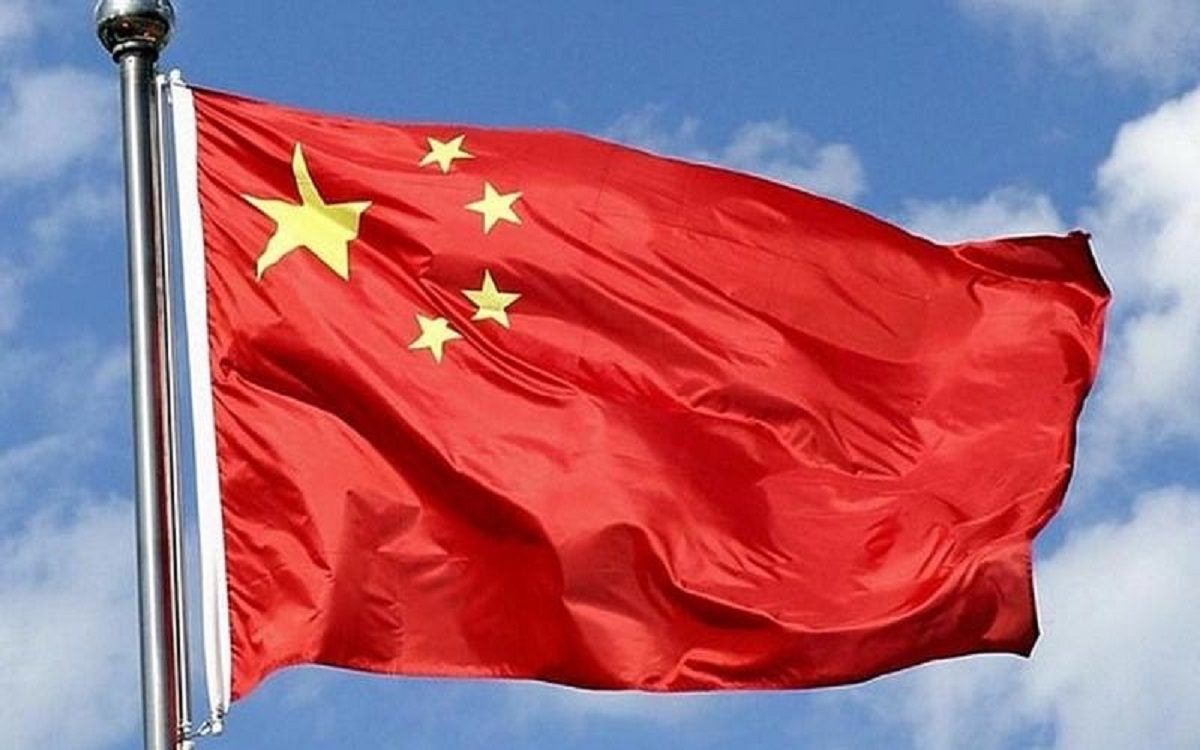
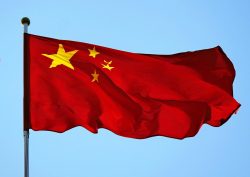
China’s national flag
7:00 JST, February 15, 2026
Online videos of Japanese women have been plagiarized and reposted on social media with false Chinese subtitles claiming “Ryukyu (Okinawa Prefecture) belongs to China.”
This act, which comes amid deteriorating Japan-China relations, appears to be aimed at stoking anti-Japanese sentiment in China and spreading the Chinese government’s territorial claims.
In December, a dance video of two young women “living in Ryukyu” was posted on X. The about 10-second clip included Chinese subtitles, reading: “Ryukyu belongs to China, and Ryukyu is not called Okinawa. The Diaoyu Islands and Taiwan belong to China.”
The Diaoyu Islands is the Chinese name for the Senkaku Islands.
A Yomiuri Shimbun investigation discovered that the original video was a promotional clip for a facility in the Kansai region. The video had been posted to the facility’s official TikTok account in August.
A 52-year-old male official from the facility’s operating company expressed anger, saying, “It’s outrageous that the video was used for political reasons without us hearing anything about it.”
The modified video was posted on X by an account based in China. Created in 2023, the account has posted about 15 similar videos since November, following Prime Minister Sanae Takaichi’s remark regarding a potential Taiwan contingency.
In another video, a Japanese woman says “otsukaresama” (meaning “take care” or “well done”) in Japanese, but the Chinese subtitles refer to Ryukyu.
Prof. Maiko Ichihara, an expert on public opinion manipulation who specializes in international politics at Hitotsubashi University, said the incident “is part of China’s influence operations, likely aiming to instill a territorial perception favorable to the Chinese government among young Chinese citizens, who have little interest in politics.”
Similar videos have also been posted on Chinese social media.
According to a report released in December by the U.S. research organization NewsGuard, which evaluates news credibility, more than 100 videos featuring one Japanese female influencer with false subtitles asserting pro-China territorial claims have been posted on multiple platforms, including the Chinese video-sharing app Douyin, receiving a total of 1 million “likes.”
The original videos were posted on YouTube by a woman raised in the northern Kanto region. She made no mention of Okinawa Prefecture or territorial issues in the videos. NewsGuard concluded that “pro-China accounts are attempting to reinforce China’s claims over territorial disputes.”
Chinese influence operations targeting Japan are nothing new. In the past, false information on treated water related to Tokyo Electric Power Company Holdings, Inc.’s Fukushima No.1 nuclear power plant was posted and spread on social media.
Malicious anti-China videos posted in Japan
Since November, videos with false content criticizing China have also appeared on Japanese social media. Some posters sought assistance to make the videos by posting help-wanted ads on crowdsourcing platforms for online job orders and assignments. In response to criticism, at least one of the platforms has blocked such requests.
Last year, a Tokyo-based video distribution company posted help-wanted ads on a crowdsourcing platform seeking scriptwriters and editors of videos that are “anti-China” or “critical of China.” The job description included “videos depicting Chinese people engaging in fabricated nuisance behavior or lacking morals, or such things occurring in China, to give them what they deserve or bring about divine retribution.”
The company admitted to The Yomiuri Shimbun that it had distributed a finished video containing false content to YouTube.
“YouTube is for entertainment,” the company said. “The content doesn’t have to be 100% accurate.”
In early December, the crowdsourcing platform blocked the company’s requests, determining that they violated its guidelines prohibiting “help-wanted requests that may lead to the misinterpretation of facts or the manipulation of perceptions.”
Regarding the videos containing false content critical of China, Associate Prof. Shinichi Yamaguchi, who specializes in social informatics at International University of Japan, said, “This may undesirably stoke anti-China sentiment and promote xenophobia [among Japanese people].”
He added, “Viewers who don’t know much about the nature of the internet especially need to verify their content by referring to other sources.”


Related Tags



Most Read
Popular articles in the past 24 hours
-

Heirs to Kyoto Talent: Craftsman Works to Keep Tradition of ‘Kinr...
-

Milano Cortina 2026: Japan Take Silver and Bronze in Bittersweet ...
-

New CRA Leader: Ogawa Should Quickly Present Party’s Vision for F...
-

Ehime: High School Develops Petting Zoo to Attract More Students
-

Milano Cortina 2026: Ukrainian Skeleton Racer Loses His Appeal ov...
-

Kanagawa Police to Void 2,700 Traffic Violations Over Suspicions ...
-

Exit of Opposition Veterans Brings Breath of Generational Change
-

DOJ's Targeting of Trump Critics Ramps up with Attempt to Indict ...
Popular articles in the past week
-

Woman with Measles Visited Hospital in Tokyo Multiple Times Befor...
-

Prudential Life Insurance Plans to Fully Compensate for Damages C...
-

Woman with No Overseas Travel History Infected with Measles in Na...
-

LDP Wins Historic Landslide Victory
-

Measles Patient Flew Between Tokyo, Hokkaido in Late January; Lik...
-

LDP Wins Landslide Victory, Secures Single-party Majority; Ruling...
-

Milano Cortina 2026: Kokomo Murase Comes Out on Top After Overcom...
-

Tokyo, Many Regions across Japan Hit with Heavy Snow
Popular articles in the past month
-

Japan Institute to Use Domestic Commercial Optical Lattice Clock ...
-

Israeli Ambassador to Japan Speaks about Japan’s Role in the Reco...
-

Man Infected with Measles May Have Come in Contact with Many Peop...
-

China Eyes Rare Earth Foothold in Malaysia to Maintain Dominance,...
-
Australian Woman Dies After Mishap on Ski Lift in Nagano Prefectu...
-
Woman with Measles Visited Hospital in Tokyo Multiple Times Befor...
-
Prudential Life Insurance Plans to Fully Compensate for Damages C...
-
Foreign Snowboarder in Serious Condition After Hanging in Midair ...
Top Articles in World
-
Israeli Ambassador to Japan Speaks about Japan’s Role in the Reconstruction of Gaza
-
China Eyes Rare Earth Foothold in Malaysia to Maintain Dominance, Counter Japan, U.S.
-

North Korea Possibly Launches Ballistic Missile
-
Chinese Embassy in Japan Reiterates Call for Chinese People to Refrain from Traveling to Japan; Call Comes in Wake of ¥400 Mil. Robbery
-

Pentagon Foresees ‘More Limited’ Role in Deterring North Korea
JN ACCESS RANKING
-
Japan Institute to Use Domestic Commercial Optical Lattice Clock to Set Japan Standard Time
-
Israeli Ambassador to Japan Speaks about Japan’s Role in the Reconstruction of Gaza
-
Man Infected with Measles May Have Come in Contact with Many People in Tokyo, Went to Store, Restaurant Around When Symptoms Emerged
-
China Eyes Rare Earth Foothold in Malaysia to Maintain Dominance, Counter Japan, U.S.
-
Australian Woman Dies After Mishap on Ski Lift in Nagano Prefecture