
Social Media Exerts Growing Influence on Elections; Online Videos Shape Issues by Spreading Often Unverified Information
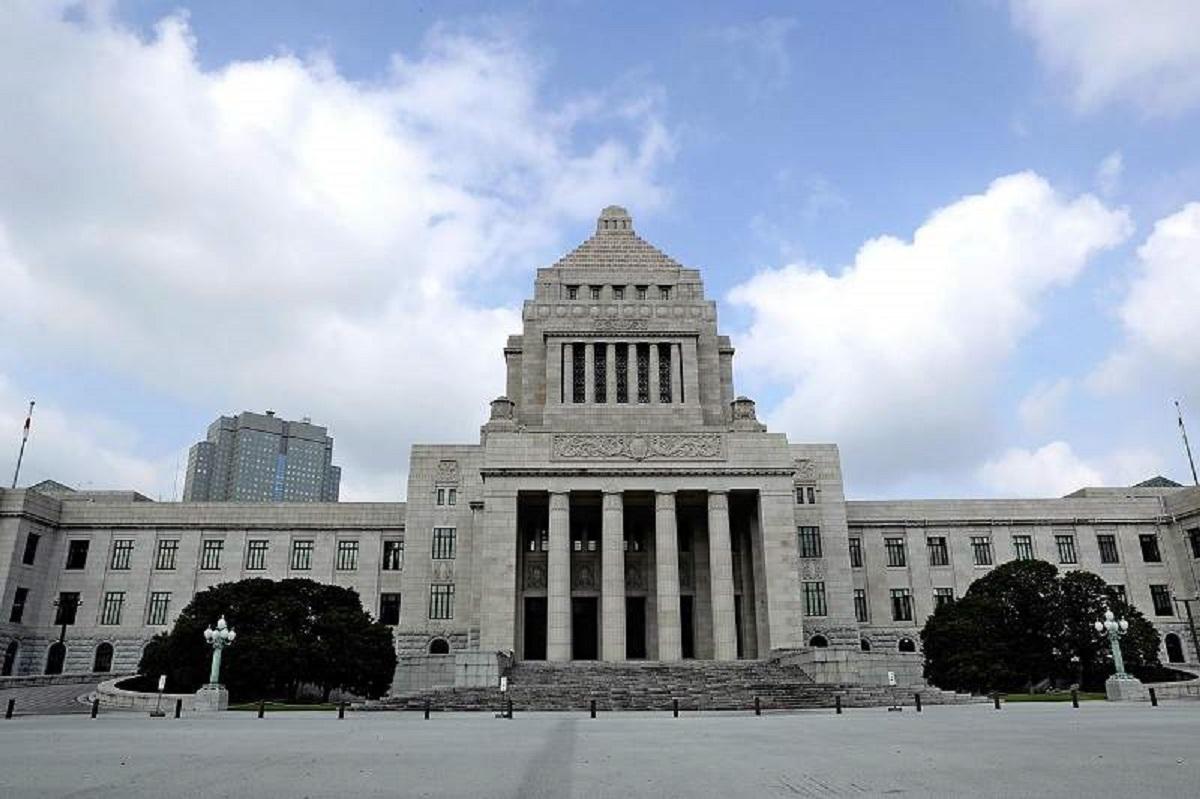
The Diet Building in Chiyoda Ward, Tokyo, Japan.
2:00 JST, February 11, 2026
In recent years, it has become common for people to consult social media for information when they decide whom to vote for. Since 2024, dubbed Japan’s “first year of social media elections,” these services have come to be recognized as having the power to sway election outcomes.
In the July 2024 Tokyo gubernatorial election, Shinji Ishimaru, who ran with no party backing, used social media to garner about 1.66 million votes and finish in second place. In the House of Representatives election in October that year, the Democratic Party for the People, led by Yuichiro Tamaki, made significant gains using similar tactics. In that November’s Hyogo gubernatorial election, video clips circulating online — some including unverified information — are believed to have helped bring about the reelection of Gov. Motohiko Saito.
Social media also played a role in shaping key election issues during the summer 2025 House of Councillors election.
The Sanseito party, running with the slogan “Japanese First,” successfully fomented contention about policies concerning foreigners by capturing the dissatisfaction and anxiety of those unhappy about Japan’s growing population of foreigners, as enthusiastic supporters spread video clips on social media. According to a Yomiuri Shimbun analysis, Sanseito’s official videos got more views than those of any other party, leading to it increasing its seats in the upper house by a significant margin.
On social media, there are always users posting extreme claims or unverified information to boost their viewer numbers and make money. False and misleading information generated by AI is expected to increase further in the future.
“Slander, defamation and emotionally charged content spread easily on social media, so it’s not a good place for deep political discussions. We must be mindful that relying solely on information from social media carries inherent risks,” said Prof. Shinichi Yamaguchi of the Center for Global Communications at the International University of Japan.


Related Tags




Most Read
Popular articles in the past 24 hours
-

Japan Opposition Party Reiwa Shinsengumi Suffers Steep Loss; Drop...
-

Prudential Life Insurance Plans to Fully Compensate for Damages C...
-

Milano Cortina 2026: Ren Nikaido Wins “Tied” Bronze in Men’s Ski ...
-

Japan’s Miho Takagi’s Hometown in Hokkaido Celebrates Her Bronze ...
-

Milano Cortina 2026: Japan’s Miho Takagi Wins Bronze in Women’s S...
-

Takaichi Cabinet Restarts: Self-Discipline Needed in Era of ‘One ...
-

2 Justices of Japan’s Supreme Court Avoid Dismissal After Nationa...
-

Poaching Cases Uncovered on Japan's Nansei Islands as Experts Cal...
Popular articles in the past week
-

Israeli Ambassador to Japan Speaks about Japan’s Role in the Reco...
-

BTS to Hold Comeback Concert in Seoul on March 21; Popular Boy Ba...
-

LDP Wins Historic Landslide Victory
-
Sapporo Snow Festival Opens with 210 Snow and Ice Sculptures at 3...
-

LDP Wins Landslide Victory, Secures Single-party Majority; Ruling...
-
U.N. Plans to Set Safety Regulation Standards on Automated Drivin...
-

Green Tea Exports Hit Record High in 2025 Amid Growing Demand, Li...
-

SoftBank Launches AI Service for Call Centers That Converts Harsh...
Popular articles in the past month
-

Japan Institute to Use Domestic Commercial Optical Lattice Clock ...
-

JAL, ANA Cancel Flights During 3-day Holiday Weekend due to Blizz...
-

Man Infected with Measles May Have Come in Contact with Many Peop...
-

China Eyes Rare Earth Foothold in Malaysia to Maintain Dominance,...
-

Japan, Qatar Ministers Agree on Need for Stable Energy Supplies; ...
-
Australian Woman Dies After Mishap on Ski Lift in Nagano Prefectu...
-
Israeli Ambassador to Japan Speaks about Japan’s Role in the Reco...
-
Foreign Snowboarder in Serious Condition After Hanging in Midair ...
Top Articles in Politics
-
LDP Wins Historic Landslide Victory
-
Japan Tourism Agency Calls for Strengthening Measures Against Overtourism
-
LDP Wins Landslide Victory, Secures Single-party Majority; Ruling Coalition with JIP Poised to Secure Over 300 seats (UPDATE 1)
-

Voters Using AI to Choose Candidates in Japan’s Upcoming General Election; ChatGPT, Other AI Services Found Providing Incorrect Information
-

Japan’s Prime Minister: 2-Year Tax Cut on Food Possible Without Issuing Bonds
JN ACCESS RANKING
-
Japan Institute to Use Domestic Commercial Optical Lattice Clock to Set Japan Standard Time
-
Man Infected with Measles May Have Come in Contact with Many People in Tokyo, Went to Store, Restaurant Around When Symptoms Emerged
-
China Eyes Rare Earth Foothold in Malaysia to Maintain Dominance, Counter Japan, U.S.
-
Japan, Qatar Ministers Agree on Need for Stable Energy Supplies; Motegi, Qatari Prime Minister Al-Thani Affirm Commitment to Cooperation
-
Australian Woman Dies After Mishap on Ski Lift in Nagano Prefecture