
Japanese Ruling, Opposition Parties Aim to Conclude Reduction of Diet Seats in Joint Council Debate by Spring Next Year
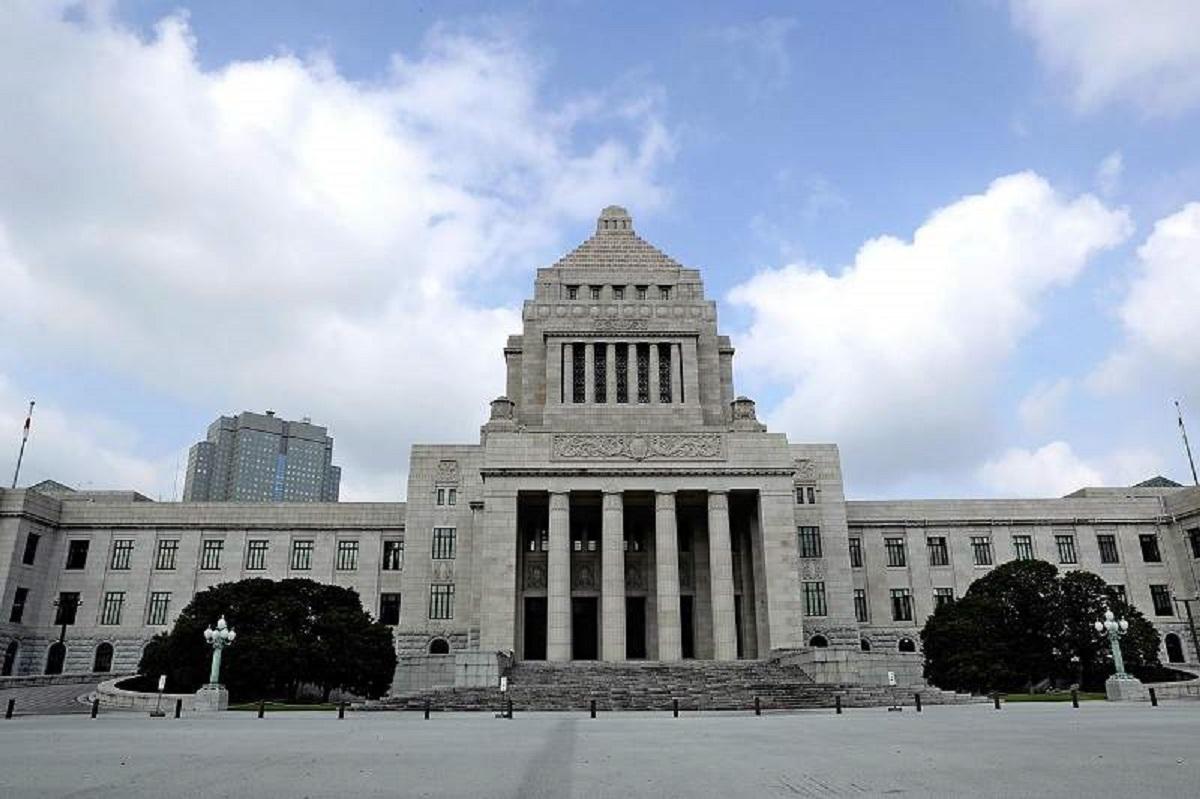
The Diet Building in Chiyoda Ward, Tokyo, Japan.
16:36 JST, December 17, 2025
The Liberal Democratic Party and the Japan Innovation Party aim to leave debate about a planned reduction of Diet seats in the House of Representatives to a council comprising both ruling and opposition party members.
Because discussions on a bill to reduce the lower house seats will not be able to start for now in the Diet, the ruling parties aim to leave discussion of the issue to the council to hammer out reform of the lower house electoral system. The council is chaired by Ichiro Aisawa of the LDP.
The LDP and the JIP want to see whether the council will be able to reach a certain level of conclusion by spring next year regarding the entirety of reform of the electoral system, including a reduction of lower house seats.
At a party heads’ meeting of the LDP and the JIP on Tuesday, the two ruling parties confirmed that the council will lead the debate between the ruling and opposition camps so that the final version of a draft of the bill can be made as soon as possible.
The bill initially stipulated that, with the existence of the council in mind, the ruling and opposition parties would conclude the issue within a year.
Therefore, the JIP has changed its course of action. “We left the debate [to the council] as the first step prior to passing the bill,” said a senior JIP member.
The council was set up under the jurisdiction of the lower house speaker. It has repeatedly held debate since January for correcting gaps in vote values in national elections and reflecting more opinions from regional areas.
Members of opposition parties, which have voiced objection to the bill, have said that because the electoral system and a reduction of lower house seats are inseparable issues, the debate should be held at the council’s meetings.
By prioritizing debate in the council, the ruling parties aim to ease opposing views among opposition parties and conclude discussion on the issues amicably.
On Wednesday, when the extraordinary Diet session ended, the council was to hold a meeting in the Diet Building.
Each of the ruling and opposition parties was scheduled to submit their respective plans for the reform. Debate will resume after the ordinary Diet session begins in January, and points of dispute will be narrowed down by spring.
However, it is possible that the council’s debate will lead to a more drastic review of the current system, which combines constituencies and proportional representation votes, and other measures.
Thus, it is uncertain whether debate on the bill can be concluded within three to four months.
All the parties have various opinions about the bill and their intentions are intertwined in a complicated manner.
If the council is not able to reach a conclusion, it is likely that the LDP and the JIP may go on the offensive again, demanding that Diet debate on the bill should start.
The bill is scheduled to be submitted to the lower house’s Special Committee on Political Reform. In the extraordinary Diet session that just ended, it could not be decided when debate on the bill would begin.
If debate on bills to review rules on political donations from companies and organizations continues in next year’s ordinary Diet session at the special committee, the same consequence may be repeated.



Most Read
Popular articles in the past 24 hours
-

Japan’s Nikkei Stock Average Rises on Tech Rally and Takaichi's S...
-

Security Services Law Unconstitutional: Do Not Restrict Career Ch...
-

New Leader of Japan's CRA Opposition Party Faces Challenge of For...
-

Takaichi Expected to Express Desire for Constitutional Revision P...
-
Japanese Man Living in Iraq Suspected of Illegally Entering U.S. ...
-

Tokyo Exhibition Featuring VR Walk Through 2025 Osaka-Kansai Expo...
-

Milano Cortina 2026: Fukada Wins Gold, Murase Bronze in WomenR...
-

Milano Cortina 2026: Snowboarding Star Fukada Wins Gold in Hard-F...
Popular articles in the past week
-

Japan PM Takaichi’s Cabinet Resigns en Masse
-

Man Infected with Measles Reportedly Dined at Restaurant in Tokyo...
-

Videos Plagiarized, Reposted with False Subtitles Claiming ‘Ryuky...
-

Sanae Takaichi Elected 105th Prime Minister of Japan; Keeps All C...
-

Japan's Govt to Submit Road Map for Growth Strategy in March, PM ...
-

Milano Cortina 2026: Figure Skaters Riku Miura, Ryuichi Kihara Pa...
-

Tokyo’s New Record-Breaking Fountain Named ‘Tokyo Aqua Symphony’
-

Bus Carrying 40 Passengers Catches Fire on Chuo Expressway; All E...
Popular articles in the past month
-
Japan PM Takaichi’s Cabinet Resigns en Masse
-

Japan Institute to Use Domestic Commercial Optical Lattice Clock ...
-

Israeli Ambassador to Japan Speaks about Japan’s Role in the Reco...
-
Man Infected with Measles Reportedly Dined at Restaurant in Tokyo...
-

Man Infected with Measles May Have Come in Contact with Many Peop...
-

Prudential Life Insurance Plans to Fully Compensate for Damages C...
-
Videos Plagiarized, Reposted with False Subtitles Claiming ‘Ryuky...
-

Woman with Measles Visited Hospital in Tokyo Multiple Times Befor...
Top Articles in Politics
-
Japan PM Takaichi’s Cabinet Resigns en Masse
-
Sanae Takaichi Elected 105th Prime Minister of Japan; Keeps All Cabinet Appointees from Previous Term
-
Japan’s Govt to Submit Road Map for Growth Strategy in March, PM Takaichi to Announce in Upcoming Policy Speech
-

LDP Wins Historic Landslide Victory
-

LDP Wins Landslide Victory, Secures Single-party Majority; Ruling Coalition with JIP Poised to Secure Over 300 seats (UPDATE 1)
JN ACCESS RANKING
-
Japan PM Takaichi’s Cabinet Resigns en Masse
-
Japan Institute to Use Domestic Commercial Optical Lattice Clock to Set Japan Standard Time
-
Israeli Ambassador to Japan Speaks about Japan’s Role in the Reconstruction of Gaza
-
Man Infected with Measles Reportedly Dined at Restaurant in Tokyo Station
-
Man Infected with Measles May Have Come in Contact with Many People in Tokyo, Went to Store, Restaurant Around When Symptoms Emerged