
No Genome-Edited Babies for Japan: Health Ministry to Submit Bill Banning Implantation of Edited Zygotes
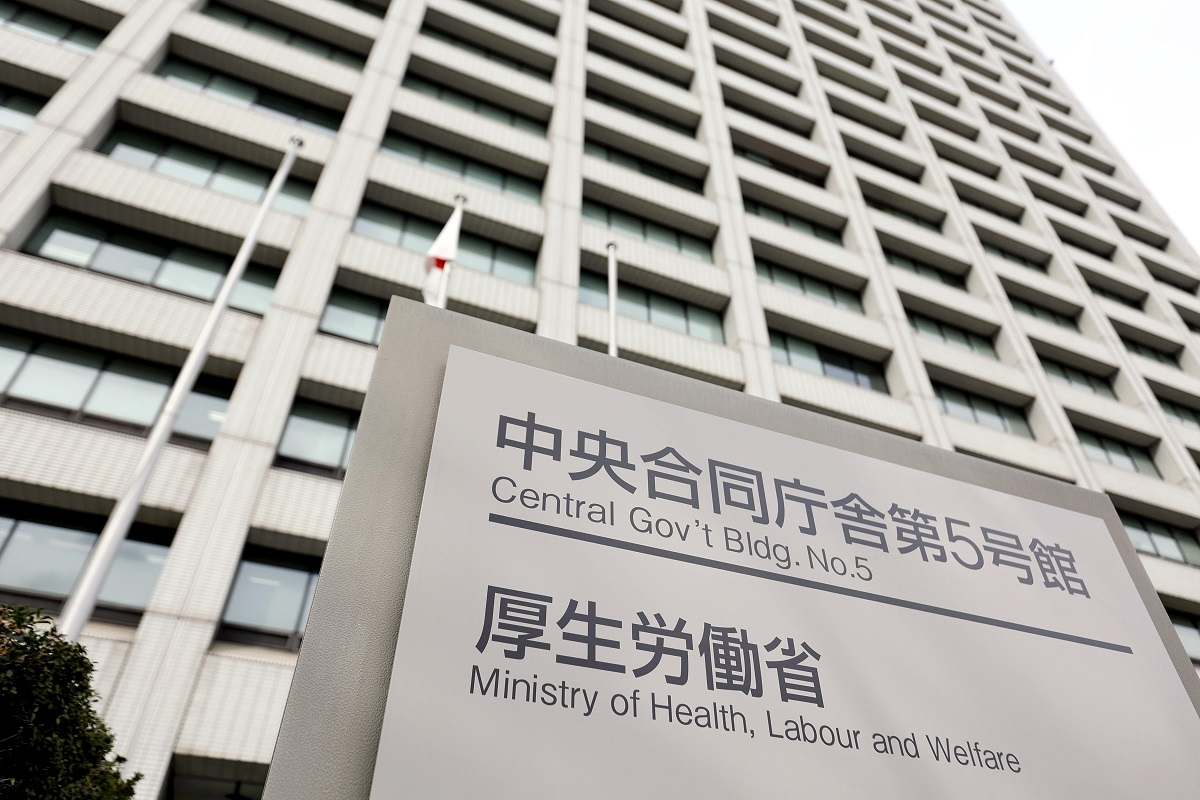
The Health, Labor and Welfare Ministry in Tokyo
12:09 JST, December 9, 2025
A regulatory proposal prohibiting the implantation of fertilized human eggs that have been modified with genome editing technology into human or animal wombs was finalized on Thursday by a joint meeting of specialized committees from the Health, Labor and Welfare Ministry and the Education, Culture, Sports, Science and Technology Ministry.
Genome editing technology targets certain genes and efficiently alters them.
Penalties for violations will also be established. The goal is to submit a bill as early as next year during the ordinary Diet session.
In 2018, the birth of genome-edited babies from genome-edited fertilized eggs was publicly announced in China, drawing global condemnation. Japan established guidelines in 2019 that permitted research on genome-edited fertilized eggs for basic research purposes only and prohibited research involving their implantation into human or animal wombs.
According to the proposed regulations, research involving the implantation of genome-edited human fertilized eggs into wombs will be prohibited by law. Researchers must submit a plan detailing creation method, quantity and research content to the government in advance for research involving the creation or use of genome-edited human fertilized eggs. The government can order the suspension or modification of the plan as necessary.
Detailed guidelines incorporating specific regulatory content will be formulated to define aspects such as plan requirements. Furthermore, the possibility of permitting future clinical use will be continuously reviewed.
Research using genome editing technology on fertilized eggs is expected to shed light on the causes of such conditions as infertility and congenital disorders. However, there are strong concerns regarding the technology to create genome-edited babies in wombs. Countries in Europe and the United States have established legal regulations with penalties.
Meanwhile, in recent years, some overseas start-ups have been attempting to treat congenital disorders in fertilized eggs and create genome-edited babies.
The joint meeting concluded with an agreement on a policy to strengthen regulations in Japan, because current technological standards cannot sufficiently confirm the safety and risks in the next-generation and beyond.
In 2021, a World Health Organization (WHO) advisory committee published a report recommending a prohibition on the clinical use of genome editing technology on fertilized human eggs.








Most Read
Popular articles in the past 24 hours
-

Japan’s Lotteria Restaurant Operator Co. Changes Name, Will Rebra...
-

Revitalization of Shipbuilding Industry: Counter Chinese, S. Kore...
-

University of Tsukuba Faculty Member Posts Discriminatory Message...
-

Japan's Foreign Minister Says No Contact With China's Counterpart...
-

Osaka Expo Mascot Myaku-Myaku-Themed Cafe Opens in Osaka, Set to ...
-

Japanese Shares Dip as Soft Data, Post-Election Lull Cap Moves
-

Milano Cortina 2026: 500-Meter Bronze Gives Miho Takagi Drive For...
-

Japan Moves to Strengthen Europe Ties at Munich Security Conferen...
Popular articles in the past week
-

Videos Plagiarized, Reposted with False Subtitles Claiming ‘Ryuky...
-

Woman with No Overseas Travel History Infected with Measles in Na...
-

Milano Cortina 2026: Kokomo Murase Comes Out on Top After Overcom...
-

CRA Leadership Election Will Center on Party Rebuilding; Lower Ho...
-

Tokyo’s New Record-Breaking Fountain Named ‘Tokyo Aqua Symphony’
-

Crime in Japan Ticks Up for 4th Straight Year
-

Japanese Constitutional Revision Debate Expected to be Revived Af...
-

Chemical Tanker Collides with Fishing Boat off Kobe with No Fuel ...
Popular articles in the past month
-

Japan Institute to Use Domestic Commercial Optical Lattice Clock ...
-

Israeli Ambassador to Japan Speaks about Japan’s Role in the Reco...
-

Man Infected with Measles May Have Come in Contact with Many Peop...
-

China Eyes Rare Earth Foothold in Malaysia to Maintain Dominance,...
-

Prudential Life Insurance Plans to Fully Compensate for Damages C...
-

Woman with Measles Visited Hospital in Tokyo Multiple Times Befor...
-

Australian Woman Dies After Mishap on Ski Lift in Nagano Prefectu...
-

Foreign Snowboarder in Serious Condition After Hanging in Midair ...
Top Articles in Science & Nature

JN ACCESS RANKING
-
Japan Institute to Use Domestic Commercial Optical Lattice Clock to Set Japan Standard Time
-
Israeli Ambassador to Japan Speaks about Japan’s Role in the Reconstruction of Gaza
-
Man Infected with Measles May Have Come in Contact with Many People in Tokyo, Went to Store, Restaurant Around When Symptoms Emerged
-
Prudential Life Insurance Plans to Fully Compensate for Damages Caused by Fraudulent Actions Without Waiting for Third-Party Committee Review
-
Woman with Measles Visited Hospital in Tokyo Multiple Times Before Being Diagnosed with Disease