
677 Chinese Firms Found Registered at 5 Buildings in Osaka; Businesses Likely Established for Immigration Purposes
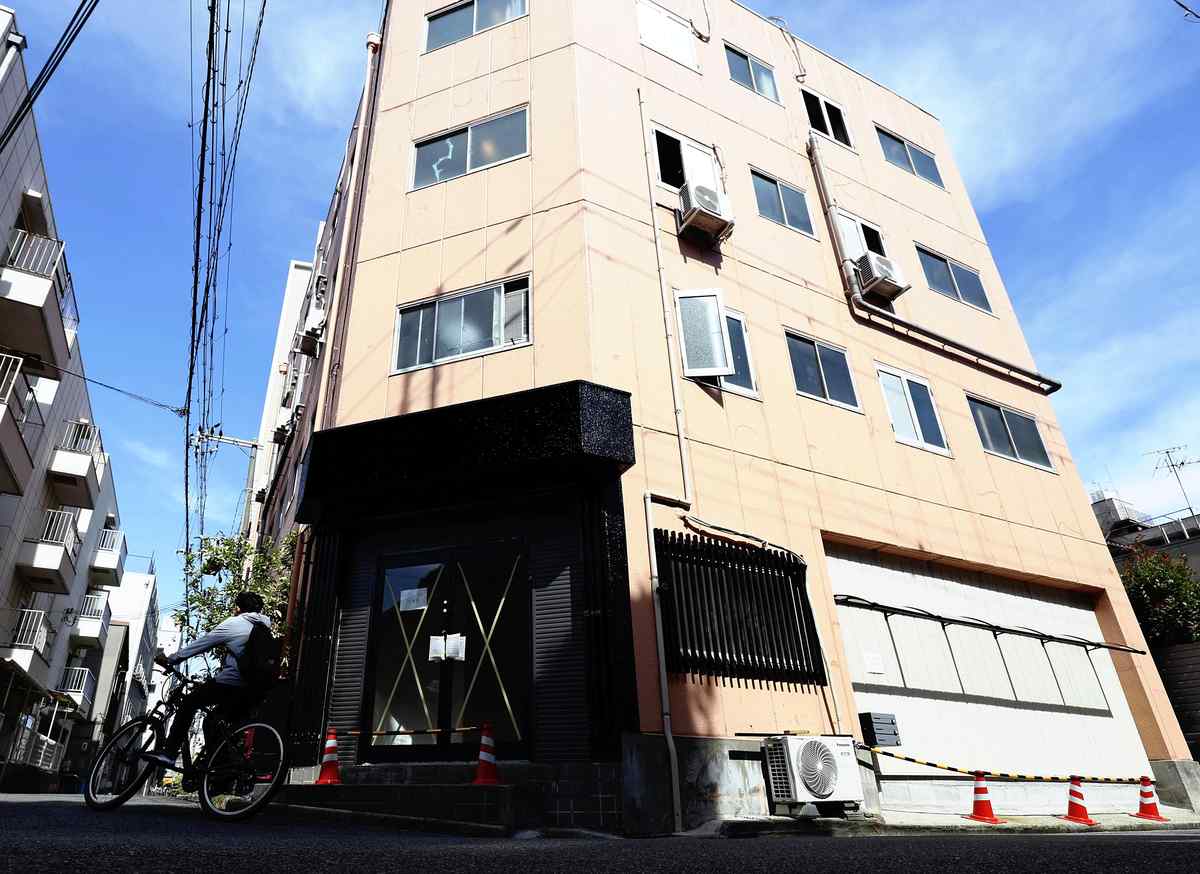
A building registered as headquarters for 113 Chinese-affiliated companies in Taisho Ward, Osaka (The image is partially modified.)
12:43 JST, October 25, 2025
Just five aging office and apartment buildings in Osaka City have been registered as the head offices of 677 Chinese-affiliated companies in the three years following the COVID-19 pandemic, according to data uncovered in a joint investigation by The Yomiuri Shimbun and Hannan University Prof. Yoshihisa Matsumura.
Matsumura suspects that many of these registrations were made to obtain Japan’s business manager visa, which grants residency to foreign citizens who operate companies.
By examining sources including corporate records, Matsumura found 9,660 Chinese-affiliated corporations in Osaka. The Yomiuri Shimbun analyzed the five buildings with the highest numbers of registered companies, ranging from 86 to 240 each.
Corporations were classified as “Chinese-affiliated” if their representatives’ primary addresses were in China prior to their arrival in Japan.
Between 2022 and mid-September this year, 677 companies listed these five buildings as their registered headquarters. All five structures are over 30 years old, with only a few dozen units each.
Of the 677 firms, 666 or 98.4% reported a capital of ¥5 million — the minimum amount that was required for a business manager visa before the rules were tightened on Oct. 16.
Notably, 641 of the companies stated their purpose as “operation of private lodgings under special district regulations.” Among the representatives who were based in China, 583 had moved addresses to Japan within the past three years.
With China’s economic slowdown, an increasing number of people have been seeking to move to Japan. The number of Chinese nationals residing in Japan under the business manager visa reached an all-time high last year.
Noting a surge in companies being registered for immigration purposes, the Japanese government has tightened requirements for this visa. The minimum capital has been raised from ¥5 million to ¥30 million, and companies must now employ at least one full-time staff member. In addition, applicants must meet new criteria concerning their business background, educational history and Japanese language ability.
Matsumura said: “The majority of these firms are likely shell companies created as a steppingstone for migration to Japan. There is probably a migration business with brokers involved behind this trend.”






Most Read
Popular articles in the past 24 hours
-
Tokyo Skytree's Elevator Stops, Trapping 20 People; All Rescued (...
-
China, India Tapping into Promising African Market; Beijing Annou...
-

Japan’s Major Real Estate Firms Expanding Overseas Businesses to ...
-

Ukrainian Ambassador Closely Watching Japan’s Revision of Defense...
-
Emperor Turns 66 Ahead of Disaster Milestones
-

Milano Cortina 2026: There Were Cheers across the Country, after ...
-
Tokyo Skytree to Close on Monday for Safety Checks after 20 Peopl...
-

Luna Sea Drummer Shinya Dies at 56; Powerful Drummer Behind ‘Desi...
Popular articles in the past week
-

Japan PM Takaichi’s Cabinet Resigns en Masse
-

Man Infected with Measles Reportedly Dined at Restaurant in Tokyo...
-

Sanae Takaichi Elected Prime Minister of Japan; Keeps All Cabinet...
-

Japan's Govt to Submit Road Map for Growth Strategy in March, PM ...
-

Bus Carrying 40 Passengers Catches Fire on Chuo Expressway; All E...
-

Milano Cortina 2026: Figure Skaters Riku Miura, Ryuichi Kihara Pa...
-

Japan, U.S. Name 3 Inaugural Investment Projects; Reached Agreeme...
-
U.S. Firm to Build Training Hub in Fukushima N-plant for Debris R...
Popular articles in the past month
-
Japan PM Takaichi’s Cabinet Resigns en Masse
-

Japan Institute to Use Domestic Commercial Optical Lattice Clock ...
-

Israeli Ambassador to Japan Speaks about Japan’s Role in the Reco...
-
Man Infected with Measles Reportedly Dined at Restaurant in Tokyo...
-

Videos Plagiarized, Reposted with False Subtitles Claiming ‘Ryuky...
-

Man Infected with Measles May Have Come in Contact with Many Peop...
-

Prudential Life Insurance Plans to Fully Compensate for Damages C...
-

Woman with Measles Visited Hospital in Tokyo Multiple Times Befor...
Top Articles in Society
-
Man Infected with Measles Reportedly Dined at Restaurant in Tokyo Station
-
Man Infected with Measles May Have Come in Contact with Many People in Tokyo, Went to Store, Restaurant Around When Symptoms Emerged
-
Woman with Measles Visited Hospital in Tokyo Multiple Times Before Being Diagnosed with Disease
-
Australian Woman Dies After Mishap on Ski Lift in Nagano Prefecture
-
Foreign Snowboarder in Serious Condition After Hanging in Midair from Chairlift in Nagano Prefecture
JN ACCESS RANKING
-
Japan PM Takaichi’s Cabinet Resigns en Masse
-
Japan Institute to Use Domestic Commercial Optical Lattice Clock to Set Japan Standard Time
-
Israeli Ambassador to Japan Speaks about Japan’s Role in the Reconstruction of Gaza
-
Man Infected with Measles Reportedly Dined at Restaurant in Tokyo Station
-
Videos Plagiarized, Reposted with False Subtitles Claiming ‘Ryukyu Belongs to China’; Anti-China False Information Also Posted in Japan