

12:26 JST, May 11, 2025
Dear Troubleshooter:
I’m a homemaker in my 30s and have a 1-year-old child.
My husband gives me ¥80,000 in allowance every month and says to keep half in the individual-type defined contribution pension plan (iDeCo) and the Nippon Individual Savings Account small-lot investment system, known as NISA. He also says I should discuss with him what to use the rest of the money for before spending it.
I had a fight with him last year when I told him I want to buy a ¥7,000 set of commemorative stamps featuring a well-known athlete. He told me I should not spend money on such things, saying, “It’s a waste of money to buy something that can’t be sold later.” But I disagree because I would feel happy just by owning them.
I bought the stamps with savings I accrued before we got married. But we fought again when I told him about the purchase. He told me to cancel the NISA account immediately. “Give me back everything accrued on the account as my money was used,” he said.
I became a homemaker because he wanted me to stay home for our child. I rarely buy things for myself. I’m fed up with having to be financially dependent on him and having no financial freedom.
R, Tokyo
Dear Ms. R:
People perceive the value of money according to the era and environment in which they grew up, so it is natural for even a wife and a husband to have opposing views.
You cannot judge which is better between a wife who finds happiness in commemorative stamps of heroes, and a husband who views value according to resale prices at a recycling market, since they navigate the world differently.
That said, you seem to have far greater financial literacy than your husband, who demanded that you cancel an investment account that only serves a purpose if active long-term.
For you, I think the real issue is not about money. You think you are financially dependent on your husband, but he is also, if I were to use the same expression, dependent on you for chores and child-rearing. You should confirm your respective roles first, instead of talking about dependence, since a husband and a wife are equal.
If he refuses to do so and continues to one-sidedly restrict your spending and deprive you of your freedom, which could mentally drive you into a corner, this could constitute abuse. You can contact the Japan Legal Support Center for assistance.
I believe the work of a homemaker cannot be translated into financial value; the homemaker’s existence itself is meaningful. Your husband can work without concern because you are at home taking care of the child. There is no question that wives also need days off, and things to treat themselves with.
Hazuki Saisho, writer







Most Read
Popular articles in the past 24 hours
-
Japan, U.S. Fail to Make Final Decision on $550 Bil. Investment P...
-
Council Submits Proposals for Revising Retrial System; Some Legal...
-

Milano Cortina 2026: Japan’s Totsuka Wins Gold, Yamada Takes Bron...
-
Heirs to Kyoto Talent: Craftsman Works to Keep Tradition of ‘Kinr...
-

2026 Has Seen a Grim Dawn in Iran; What Will the Rest of the Year...
-
Exit of Opposition Veterans Brings Breath of Generational Change
-

Milano Cortina 2026: Japan Take Silver and Bronze in Bittersweet ...
-

New CRA Leader: Ogawa Should Quickly Present Party’s Vision for F...
Popular articles in the past week
-

Woman with Measles Visited Hospital in Tokyo Multiple Times Befor...
-

Prudential Life Insurance Plans to Fully Compensate for Damages C...
-

Woman with No Overseas Travel History Infected with Measles in Na...
-

LDP Wins Historic Landslide Victory
-

Measles Patient Flew Between Tokyo, Hokkaido in Late January; Lik...
-

LDP Wins Landslide Victory, Secures Single-party Majority; Ruling...
-

Milano Cortina 2026: Kokomo Murase Comes Out on Top After Overcom...
-

Tokyo, Many Regions across Japan Hit with Heavy Snow
Popular articles in the past month
-

Japan Institute to Use Domestic Commercial Optical Lattice Clock ...
-

Israeli Ambassador to Japan Speaks about Japan’s Role in the Reco...
-

Man Infected with Measles May Have Come in Contact with Many Peop...
-

China Eyes Rare Earth Foothold in Malaysia to Maintain Dominance,...
-
Australian Woman Dies After Mishap on Ski Lift in Nagano Prefectu...
-
Woman with Measles Visited Hospital in Tokyo Multiple Times Befor...
-
Foreign Snowboarder in Serious Condition After Hanging in Midair ...
-
Prudential Life Insurance Plans to Fully Compensate for Damages C...
Top Articles in Features
-
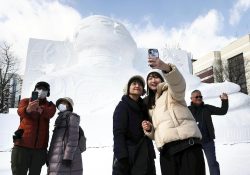
Sapporo Snow Festival Opens with 210 Snow and Ice Sculptures at 3 Venues in Hokkaido, Features Huge Dogu
-
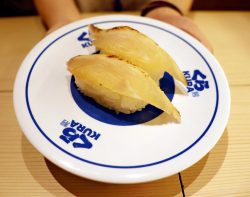
Pangasius Catfish Increasingly Featured on Japanese Restaurant Menus, Home Dining Tables Due to Affordability, Mild Flavor
-

Tourists Flock to Ice Dome Lodge at Resort in Hokkaido, Japan; Facility Invites Visitors to Sleep on Beds Made of Ice
-
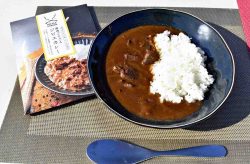
Venison from Culled Deer Made into Prepackaged Curry in Mie Pref. City, Creator Hopes to Inspire Young People to Hunt
-

Maltese Pavilion’s Famous Ftira Bread Now Available in Osaka; Loaves Became Popular during 2025 Osaka-Kansai Expo
JN ACCESS RANKING
-
Japan Institute to Use Domestic Commercial Optical Lattice Clock to Set Japan Standard Time
-
Israeli Ambassador to Japan Speaks about Japan’s Role in the Reconstruction of Gaza
-
Man Infected with Measles May Have Come in Contact with Many People in Tokyo, Went to Store, Restaurant Around When Symptoms Emerged
-
China Eyes Rare Earth Foothold in Malaysia to Maintain Dominance, Counter Japan, U.S.
-
Australian Woman Dies After Mishap on Ski Lift in Nagano Prefecture