
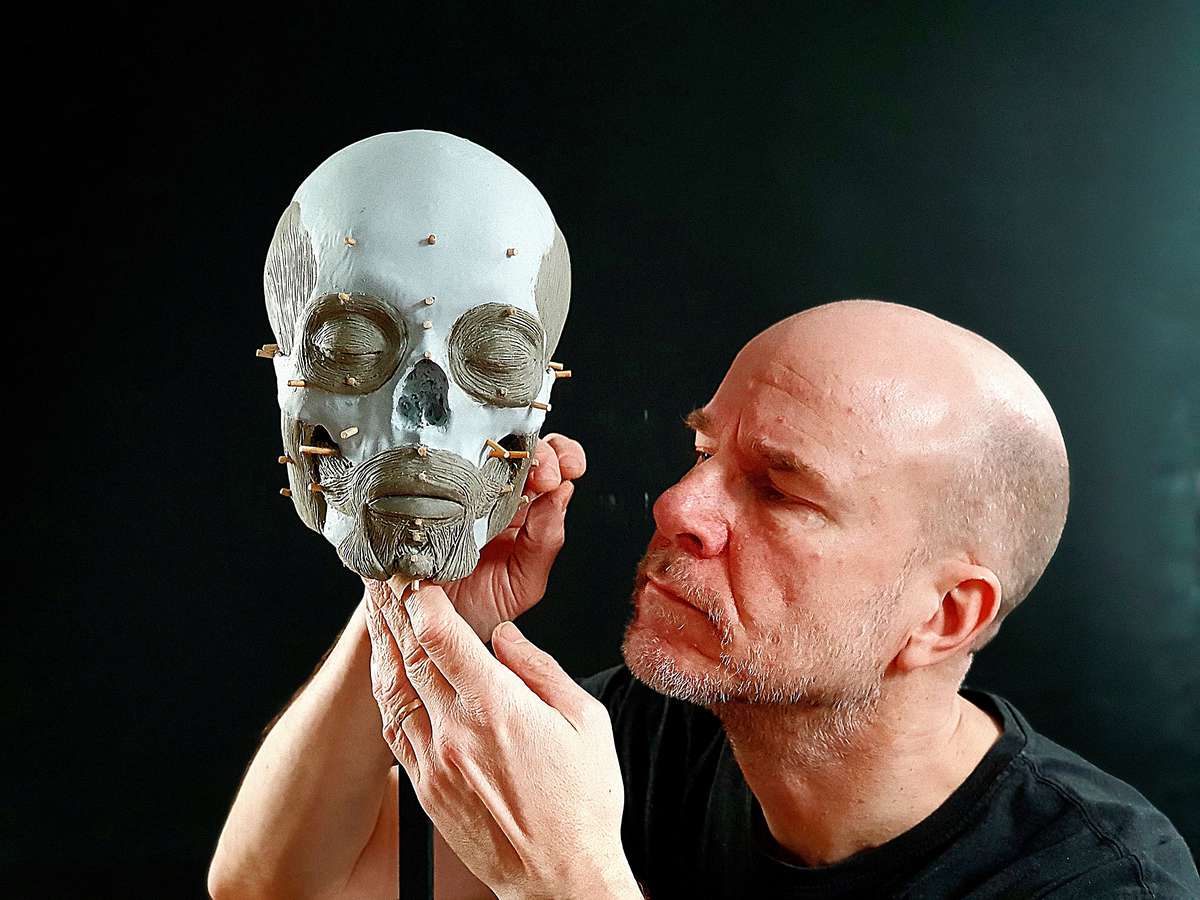
Oscar Nilsson, a Swedish archaeologist and facial reconstruction expert, poses with a 3D facial skeleton in this undated photo.
17:32 JST, November 7, 2024
PIEN, Poland (Reuters) — Buried with a padlock on her foot and an iron sickle across her neck, “Zosia” was never supposed to be able to come back from the dead.
Entombed in an unmarked cemetery in Pien, northern Poland, the young woman was one of dozens feared by her neighbors to have been a “vampire.”
Now, using DNA, 3D printing and modeling clay, a team of scientists has reconstructed Zosia’s 400-year-old face, revealing the human story buried by supernatural beliefs.
“It’s really ironic, in a way,” said Swedish archaeologist Oscar Nilsson. “These people burying her, they did everything they could in order to prevent her from coming back from the dead … we have done everything we can in order to bring her back to life.”
Zosia, as she was named by locals, was found in 2022 by a team of archaeologists from Torun’s Nicolaus Copernicus University.
Aged 18-20 when she died, analysis of Zosia’s skull suggests she suffered from a health condition which would have caused fainting and severe headaches, as well as possible mental health issues, Nilsson said.
The sickle, the padlock and certain types of wood found at the grave site were all believed at the time to hold magical properties protecting against vampires, according to the Nicolaus Copernicus team.
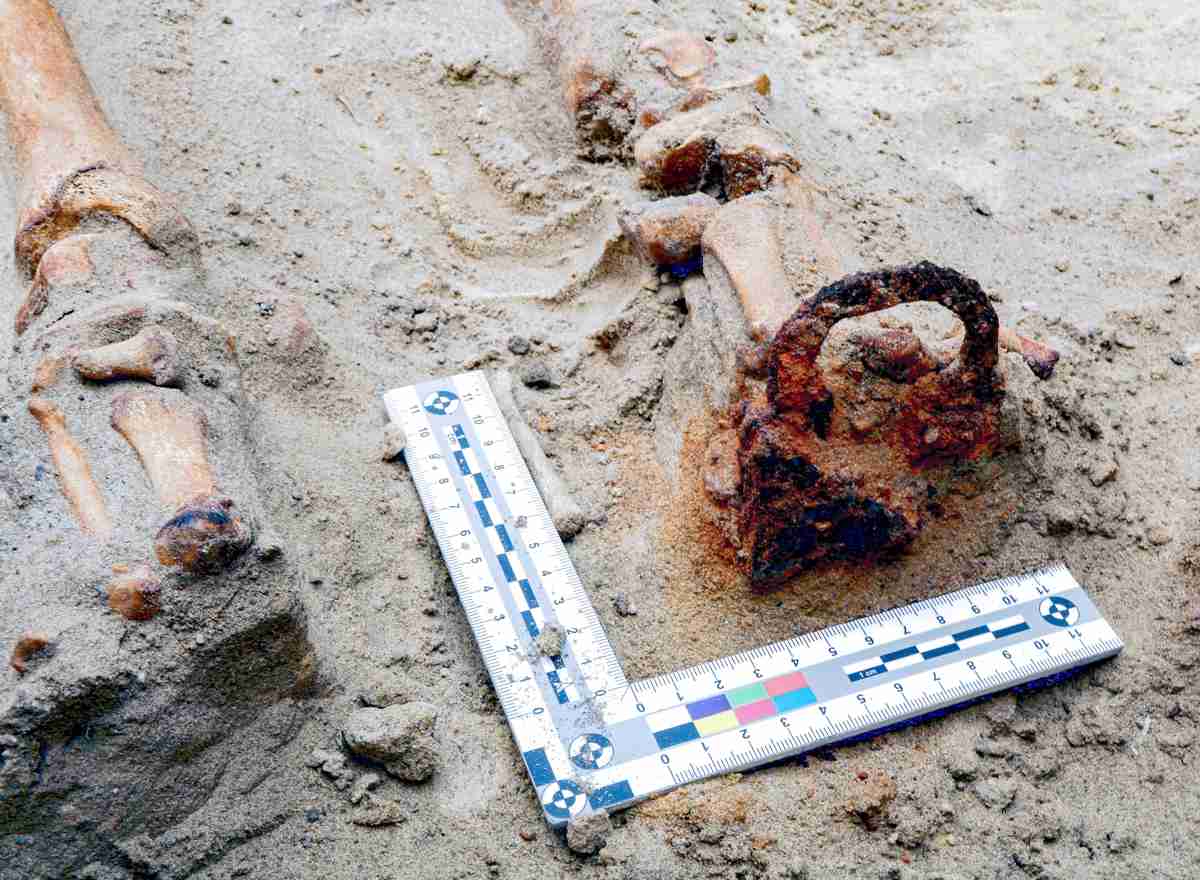
The skeleton of Zosia lies in a grave in Pien, Poland, in August 2022.
Zosia’s was Grave No. 75 at the unmarked cemetery in Pien, outside the northern city of Bydgoszcz. Among the other bodies found at the site was a “vampire” child, buried face down and similarly padlocked at the foot.
Little is known of Zosia’s life, but Nilsson and the Pien team say items she was buried with point to her being from a wealthy — possibly noble — family.
The 17th century Europe she lived in was ravaged by war, something Nilsson suggests created a climate of fear in which belief in supernatural monsters was commonplace.
Nilsson’s recreation began with creating a 3D-printed replica of the skull, before gradually building layers of plasticine clay “muscle by muscle” to form a life-like face.
He uses bone structure combined with information on gender, age, ethnicity and approximate weight to estimate the depth of facial features.
“It’s emotional to watch a face coming back from the dead, especially when you know the story about this young girl,” Nilsson says.
Nilsson said he wanted to bring Zosia back “as a human, and not as this monster that she is buried as.”
-
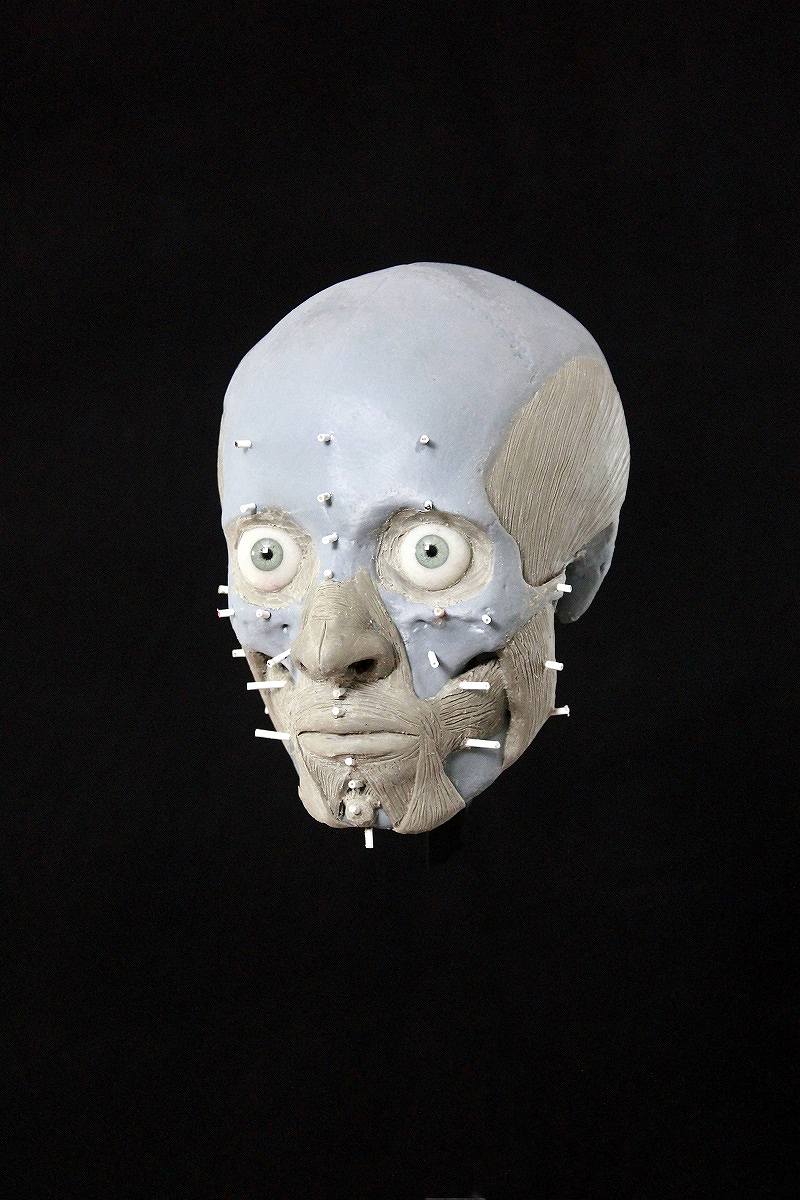
Oscar Nilsson – Project Pien / Handout via Reuters
A 3D reconstruction of the face of Zosia, a woman buried as a vampire, is seen in this undated photo taken in Stockholm. -
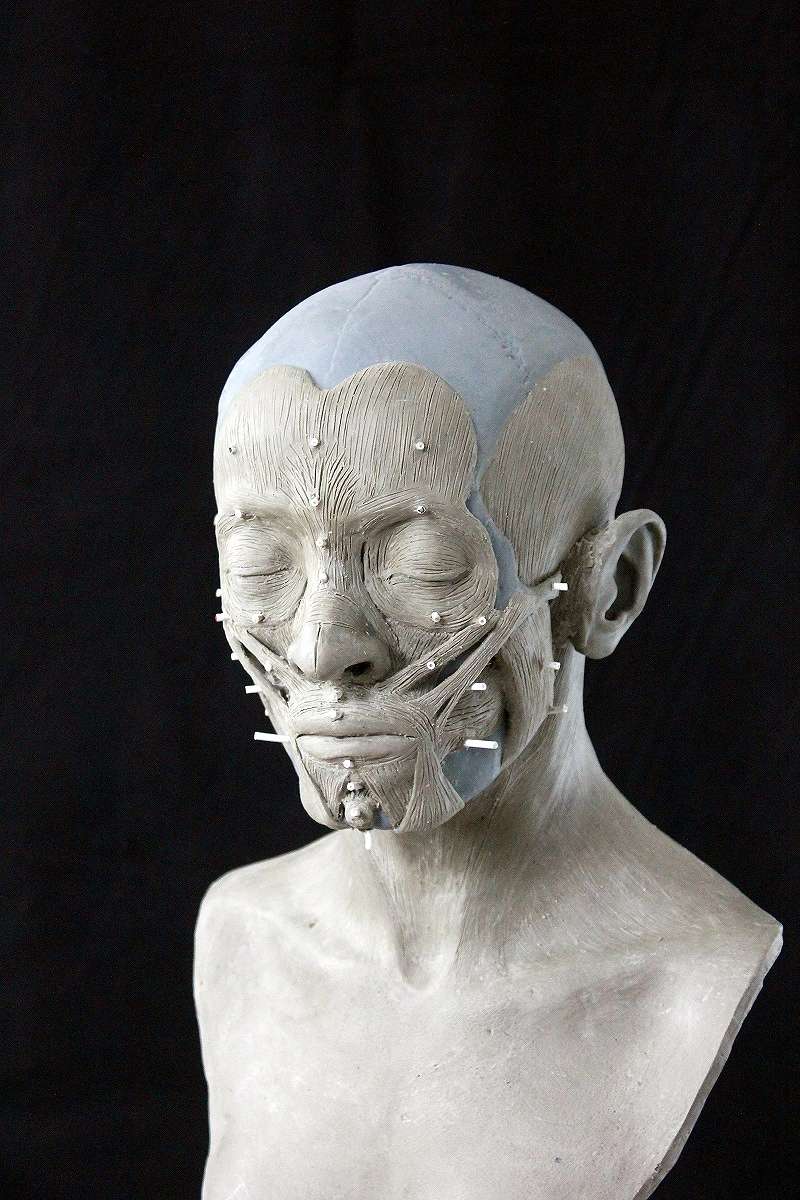
Oscar Nilsson – Project Pien / Handout via Reuters
A 3D reconstruction of the face of Zosia, a woman buried as a vampire, is seen in this undated photo taken in Stockholm. -

Oscar Nilsson – Project Pien / Handout via Reuters
A 3D reconstruction of the face of Zosia, a woman buried as a vampire, is seen in this undated photo taken in Stockholm.








Most Read
Popular articles in the past 24 hours
-

SoftBank Launches AI Service for Call Centers That Converts Harsh...
-

Tokyo, Many Regions across Japan Hit with Heavy Snow
-

Japan’s LDP Set for Landslide Victory, Securing Sole Majority; Ex...
-

Milano Cortina 2026: Japan’s Maruyama Wins Bronze Medal in Women’...
-

Milano Cortina 2026: Japan's Kimura, Kimata Dazzle in Big Air To ...
-
Japan's Opposition CRA Set to Lose Seats
-

Diver from Taiwan Dies In Survey Work at Undersea Coal Mine Site ...
-

6 Injured, Taken to Hospital After Snow-related Car Collisions in...
Popular articles in the past week
-

Man Infected with Measles May Have Come in Contact with Many Peop...
-

BTS to Hold Comeback Concert in Seoul on March 21; Popular Boy Ba...
-

Israeli Ambassador to Japan Speaks about Japan’s Role in the Reco...
-

Green Tea Exports Hit Record High in 2025 Amid Growing Demand, Li...
-

Milano Cortina 2026: Japan’s Athletes Arrive in Italy for Milano ...
-

Tokyo Had 65,000 More People Move In Than Out In 2025; Osaka Area...
-
Sapporo Snow Festival Opens with 210 Snow and Ice Sculptures at 3...
-

U.N. Plans to Set Safety Regulation Standards on Automated Drivin...
Popular articles in the past month
-
Univ. in Japan, Tokyo-Based Startup to Develop Satellite for Disa...
-

Japan Institute to Use Domestic Commercial Optical Lattice Clock ...
-
JAL, ANA Cancel Flights During 3-day Holiday Weekend due to Blizz...
-

China Eyes Rare Earth Foothold in Malaysia to Maintain Dominance,...
-
Man Infected with Measles May Have Come in Contact with Many Peop...
-

Japan, Qatar Ministers Agree on Need for Stable Energy Supplies; ...
-

Australian Woman Dies After Mishap on Ski Lift in Nagano Prefectu...
-

Japan, Italy to Boost LNG Cooperation; Aimed at Diversifying Japa...
Top Articles in Science & Nature

JN ACCESS RANKING
-
Japan Institute to Use Domestic Commercial Optical Lattice Clock to Set Japan Standard Time
-
China Eyes Rare Earth Foothold in Malaysia to Maintain Dominance, Counter Japan, U.S.
-
Man Infected with Measles May Have Come in Contact with Many People in Tokyo, Went to Store, Restaurant Around When Symptoms Emerged
-
Japan, Qatar Ministers Agree on Need for Stable Energy Supplies; Motegi, Qatari Prime Minister Al-Thani Affirm Commitment to Cooperation
-
Australian Woman Dies After Mishap on Ski Lift in Nagano Prefecture