
NIID to Study ‘Super-Resistant Mosquitoes’ for Border Control Improvements; Learn About Where They Live, How They Breed

The National Institute of Infectious Diseases
16:27 JST, April 21, 2024
The National Institute of Infectious Diseases (NIID) will start work as early as May on a large-scale genetic analysis survey in Vietnam, Cambodia, Taiwan and five other Southeast Asian countries on yellow fever mosquitoes, which can transmit dengue fever and other infectious tropical diseases.
Genetic mutations have led to the emergence of yellow fever mosquitoes with a strong resistance to insecticides
In Japan, the mosquitoes have been found during airplane inspections. The NIID intends to determine the habitat and other characteristics of the mosquitoes through the survey and use the findings in border control operations.
The yellow fever mosquito is a type of aedes mosquito that lives in a wide area, including Central America, South America and Southeast Asia, with southern Taiwan as its its northern limit. It transmits dengue and Zika fever, which can cause high fevers and headaches.
There is no effective treatment for dengue, and an estimated 20,000 people die due to the disease worldwide each year.
The NIID has analyzed the genes of yellow fever mosquitoes collected in urban areas of Vietnam and Cambodia. It reported in a paper in 2022 that it had confirmed the emergence of “super-insecticide-resistant mosquitoes,” which are unresponsive to a common insecticide caled permethrin.
The upcoming study will be conducted in collaboration with national laboratories and universities in Thailand, Malaysia, Singapore, Laos, Indonesia and Taiwan, in addition to Vietnam and Cambodia.
Up to 10,000 mosquitoes will be collected at hundreds of locations, and their genomes will be analyzed at the NIID. The goal is to determine the habitat and reproductive capacity of the super-insecticide-resistant mosquito, among other things, and to grasp the differences in genetic information of the mosquitoes between countries and regions to identify their cross-border routes.
The yellow fever mosquito is vulnerable to cold and does not live in Japan, but they have been found in the inspections of airplanes at international airports almost every year.
In 2014, about 160 people were confirmed to have had dengue fever in Japan, which was the first time in 70 years.
“If we can determine through genetic analysis which countries and regions yellow fever mosquitoes come from, we can narrow down which aircraft should be inspected in Japan. We would also like to explore new methods of killing the insects,” said Shinji Kasai, director of the Medical Entomology Department of the NIID.







Most Read
Popular articles in the past 24 hours
-

U.N. Plans to Set Safety Regulation Standards on Automated Drivin...
-

Yamagami Appeals Against Life Sentence for Murdering Abe; Defense...
-

Japanese, Chinese Automakers Roll Out Electric Kei Car Models as ...
-

Heavy Snow Forecast to Hit Northern Japan; Pacific Side May See S...
-

Poképark KANTO Opens, Welcomes Fans from Home and Abroad
-

Masataka Yoshida Named Final Samurai Japan Selection for March Wo...
-

Exports of Agricultural, Forestry and Fishery Products: Potential...
-

U.S., Japan, Europe to Develop Critical Minerals Supply Action Pl...
Popular articles in the past week
-

Man Infected with Measles May Have Come in Contact with Many Peop...
-
Australian Woman Dies After Mishap on Ski Lift in Nagano Prefectu...
-
Foreign Snowboarder in Serious Condition After Hanging in Midair ...
-

Chinese Embassy in Japan Reiterates Call for Chinese People to Re...
-

Narita Airport, Startup in Japan Demonstrate Machine to Compress ...
-

Toyota Motor Group Firm to Sell Clean Energy Greenhouses for Stra...
-

Beer Yeast Helps Save Labor, Water Use in Growing Rice; Govt Hope...
-

Japan Tourism Agency Calls for Strengthening Measures Against Ove...
Popular articles in the past month
-
Univ. in Japan, Tokyo-Based Startup to Develop Satellite for Disa...
-
JAL, ANA Cancel Flights During 3-day Holiday Weekend due to Blizz...
-

Japan Institute to Use Domestic Commercial Optical Lattice Clock ...
-

China Confirmed to Be Operating Drilling Vessel Near Japan-China ...
-

China Eyes Rare Earth Foothold in Malaysia to Maintain Dominance,...
-
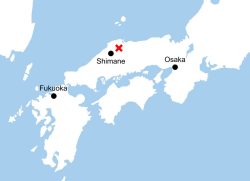
M6.2 Earthquake Hits Japan's Tottori, Shimane Prefectures; No Tsu...
-

Japan, Qatar Ministers Agree on Need for Stable Energy Supplies; ...
-
Man Infected with Measles May Have Come in Contact with Many Peop...
Top Articles in Society
-
JAL, ANA Cancel Flights During 3-day Holiday Weekend due to Blizzard
-
Man Infected with Measles May Have Come in Contact with Many People in Tokyo, Went to Store, Restaurant Around When Symptoms Emerged
-
Australian Woman Dies After Mishap on Ski Lift in Nagano Prefecture
-
Record-Breaking Snow Cripples Public Transport in Hokkaido; 7,000 People Stay Overnight at New Chitose Airport
-
Foreign Snowboarder in Serious Condition After Hanging in Midair from Chairlift in Nagano Prefecture
JN ACCESS RANKING
-
Univ. in Japan, Tokyo-Based Startup to Develop Satellite for Disaster Prevention Measures, Bears
-
JAL, ANA Cancel Flights During 3-day Holiday Weekend due to Blizzard
-
Japan Institute to Use Domestic Commercial Optical Lattice Clock to Set Japan Standard Time
-
China Eyes Rare Earth Foothold in Malaysia to Maintain Dominance, Counter Japan, U.S.
-
Japan, Qatar Ministers Agree on Need for Stable Energy Supplies; Motegi, Qatari Prime Minister Al-Thani Affirm Commitment to Cooperation