
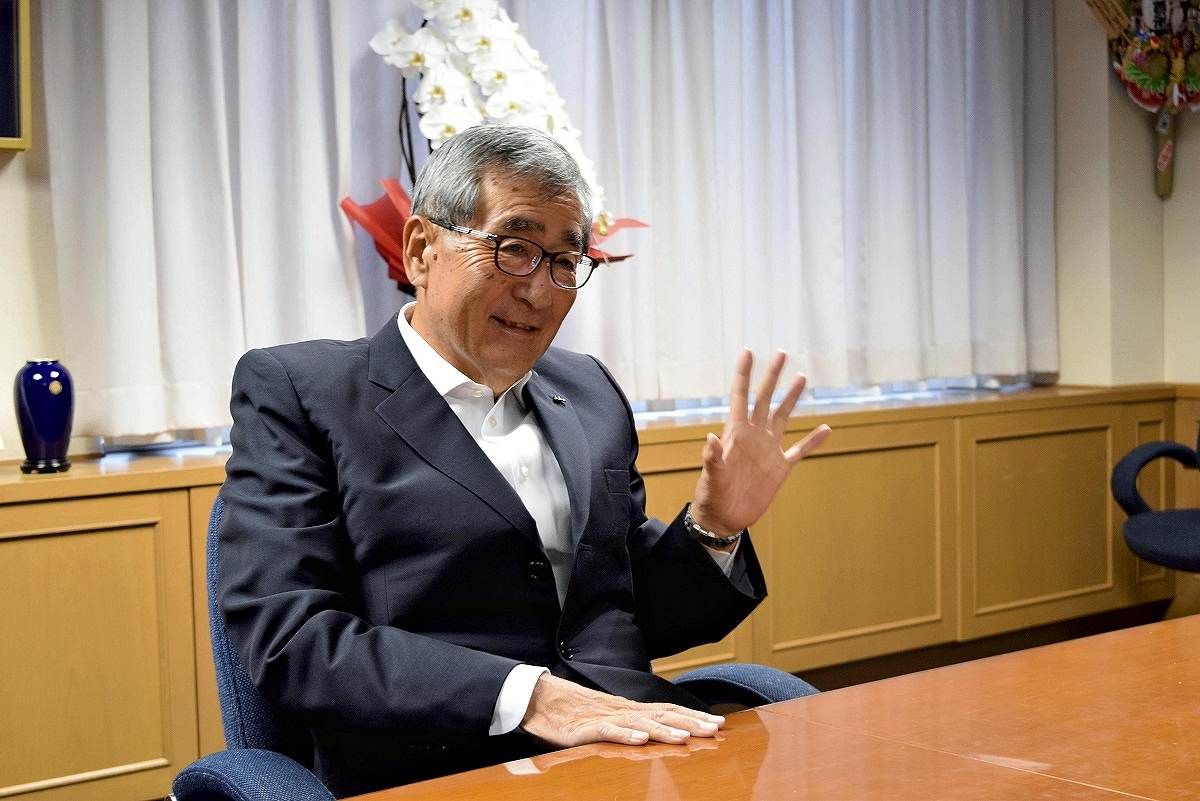
Eisai Co. CEO Haruo Naito speaks at his company’s headquarters in Bunkyo ward, Tokyo, on Monday.
20:00 JST, September 26, 2023
Eisai Co. CEO Haruo Naito hailed the significant step in the battle against dementia after the Alzheimer’s treatment Lecanemab was formally approved by the Health, Labor and Welfare Ministry on Monday.
Marketed under the brand name Leqembi, Lecanemab was developed by Eisai and other firms.
“We are only halfway there, but it’s a significant step toward conquering dementia,” said Naito, 75.
Eisai began its research into Alzheimer’s medication in 1983 when very few companies were developing drugs targeting the disease. At the time, Haruo Naito was the head of research and development at the Japanese drugmaker.
Hachiro Sugimoto, 80, a visiting professor at Doshisha University who was on Eisai’s research team in the eighties, said, “We devoted our days off to research.”
The company developed the dementia drug Aricept, which was released in the United States in 1997. However, the drug only provided temporary relief of symptoms, it did not halt the progression of the disease, so Eisai decided to work on a new treatment.
Starting in 2006, the company conducted clinical trials with three different drugs, but all of them failed.
Following the initial success of Aricept, major domestic and international pharmaceutical companies started developing Alzheimer’s medication but they have since backed out, one after another.
Although Eisai faced significant challenges in the drug development phase, Naito was determined not to give up. He raised funds by selling the rights to previously developed drugs and a company parking lot.
Comments from Alzheimer’s patients fueled Naito’s determination to develop an effective treatment. A patient once asked him when the next drug would be available. “Patients have high expectations. I realized that I must accomplish this,” he said.
Lecanemab removes a protein called amyloid-beta, which is associated with the disease’s progression, thereby slowing the advancement of the disease.
The development team collaborated with amyloid beta specialist Dr. Lars Lannfelt of Uppsala University in Sweden.
Dr. Lannfelt revealed, “We reached out to Eisai as they were among the leaders in the field of Alzheimer’s disease and had great success with their drug Aricept. We believed that a cooperation with Eisai would benefit both companies and in the end the patients which we both wanted to help.”
Naito has not given up on the development of a cure for the disease.
“Regardless of the number of blows received, by adopting a fighting stance in the ring, efforts will surely be rewarded,” he said.




Most Read
Popular articles in the past 24 hours
-

3,000 Accounts Posting, Spreading Content Critical of Japan on X;...
-

Milano Cortina 2026: Sakamoto Serves as Flag Bearer; Japan Earns ...
-

My Spendthrift Mother Constantly Asks Me for Money
-

A Packed Bus Plunges off a Nepal Highway, Killing 19 and Injuring...
-

Emperor Receives Well-Wishes from Public on His 66th Birthday
-

Dozens of Jewelry, Other Items Stolen After Glass Door, Showcases...
-

1.2 Mil. Rapeseed Flowers Attract Cute Birds, People in Aichi Pre...
-

Mexican Army Kills Leader of Powerful Jalisco New Generation Cart...
Popular articles in the past week
-

Japan PM Takaichi’s Cabinet Resigns en Masse
-

Man Infected with Measles Reportedly Dined at Restaurant in Tokyo...
-

Sanae Takaichi Elected Prime Minister of Japan; Keeps All Cabinet...
-

Japan's Govt to Submit Road Map for Growth Strategy in March, PM ...
-

Bus Carrying 40 Passengers Catches Fire on Chuo Expressway; All E...
-

U.S. Firm to Build Training Hub in Fukushima N-plant for Debris R...
-

Japan, U.S. Name 3 Inaugural Investment Projects; Reached Agreeme...
-

Riku-Ryu Pair Wins Gold Medal: Their Strong Bond Leads to Major C...
Popular articles in the past month
-
Japan PM Takaichi’s Cabinet Resigns en Masse
-

Japan Institute to Use Domestic Commercial Optical Lattice Clock ...
-

Israeli Ambassador to Japan Speaks about Japan’s Role in the Reco...
-
Man Infected with Measles Reportedly Dined at Restaurant in Tokyo...
-

Videos Plagiarized, Reposted with False Subtitles Claiming ‘Ryuky...
-

Man Infected with Measles May Have Come in Contact with Many Peop...
-

Prudential Life Insurance Plans to Fully Compensate for Damages C...
-

Woman with Measles Visited Hospital in Tokyo Multiple Times Befor...
Top Articles in Business
-
Prudential Life Insurance Plans to Fully Compensate for Damages Caused by Fraudulent Actions Without Waiting for Third-Party Committee Review
-
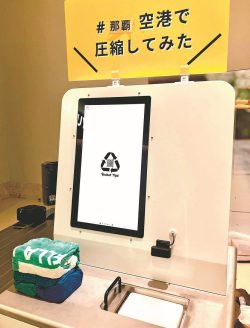
Narita Airport, Startup in Japan Demonstrate Machine to Compress Clothes for Tourists to Prevent People from Abandoning Suitcases
-
Japan, U.S. Name 3 Inaugural Investment Projects; Reached Agreement After Considerable Difficulty
-

Toyota Motor Group Firm to Sell Clean Energy Greenhouses for Strawberries
-

SoftBank Launches AI Service for Call Centers That Converts Harsh Customer Voices into Softer Voices
JN ACCESS RANKING
-
Japan PM Takaichi’s Cabinet Resigns en Masse
-
Japan Institute to Use Domestic Commercial Optical Lattice Clock to Set Japan Standard Time
-
Israeli Ambassador to Japan Speaks about Japan’s Role in the Reconstruction of Gaza
-
Man Infected with Measles Reportedly Dined at Restaurant in Tokyo Station
-
Videos Plagiarized, Reposted with False Subtitles Claiming ‘Ryukyu Belongs to China’; Anti-China False Information Also Posted in Japan