
AFRICAN DEVELOPMENT SPECIAL / TICAD 9 in Yokohama, Japan, to Highlight Shift from Aid to Investment in Africa as Region Sees Surge in Interest
17:48 JST, August 20, 2025
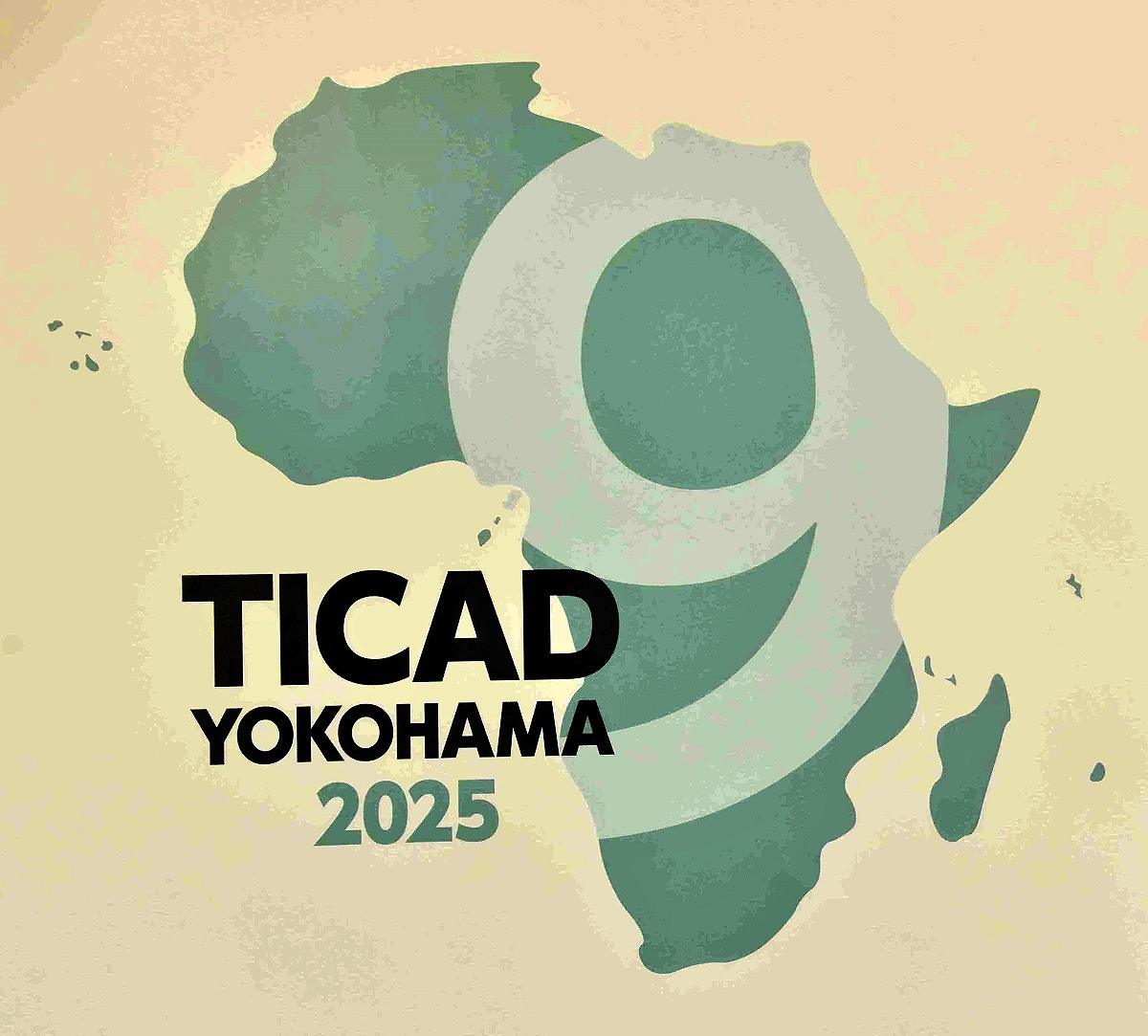
The Ninth Tokyo International Conference on African Development (TICAD 9), a summit-level meeting to discuss how to assist Africa with its development, is being held from Wednesday to Friday in Yokohama.
Economic growth is expected to continue in Africa, which has an energetic young population, and the region’s huge market potential is attracting attention across the world.
The conference is also an important occasion for Japan to build and deepen its relationships with countries on the continent.
Potential
The engine of Africa’s economic growth is thought to be its population, which is expected to continue growing through the end of the century, and the fact that it is young.
According to the United Nations, Africa’s population, which was about 1.46 billion in 2023, is predicted to surpass 2.4 billion in 2050, which would account for a quarter of the planet’s people.
The median age in Africa is on track to be 24.4 years old in 2050. In 2100, when Africa’s population is projected to reach about 3.8 billion, the median age is predicted to be 35.1. That is more than 10 years younger than the 2100 projected median age of 47.8 in India, the country with the largest population currently.
Interest and money from all over the world are being concentrated in Africa’s markets. In 2024, total direct investments into Africa hit a record high of about $97 billion (about ¥14.2 trillion). Meanwhile, economic growth in the region this year is estimated to be 3.7%, according to the United Nations, one percentage point higher than the worldwide average.
Japanese companies are also stepping up their advance into African markets. In 2015, Japanese or Japanese-funded companies had 687 sites in 38 African countries. By 2024, the number of sites had grown to 948 in 40 countries, an increase of 40% in 10 years.
Some of the companies are making their presence increasingly felt by working to resolve social problems in Africa. Their projects innclude utilizing drones and AI in the fight against malaria and supplying electricity to areas off the grid.
Major blow
The main agenda of the TICAD is shifting from providing Africa with grants-in-aid and other assistance to helping with business development and investing in the private sector. This shift “from aid to investment” is becoming increasingly clear.
This year, the U.S. administration of President Donald Trump dissolved the U.S. Agency for International Development (USAID), which had contributed greatly to dealing with issues in Africa such as AIDS and poverty. The agency’s projects were discontinued in July, dealing a major blow to recipient African countries.
Taking advantage of the U.S. exit, China, which has continuously been providing African countries with huge loans, announced in June that tariffs on imports from 53 African countries would be set to zero. Likewise, countries such as Russia and India are aiming to deepen their ties with nations on the continent.
With competition among countries intensifying, Japan’s method of engaging with Africa will be tested.
According to Kei Yoshizawa, senior adviser of the Africa Department of the Japan International Cooperation Agency (JICA), adverse effects from the dissolution of USAID cannot be avoided. However, he also said that U.S. aid to other countries is a type of thoughtless spending.
“Japan has continued to provide aid that encourages people to help themselves, and some efforts have resulted in new businesses being created,” he said. “Continuing the conventional style of aid, which other countries have not been able to keep up, should be something that contributes to Japan’s national interests.”






Most Read
Popular articles in the past 24 hours
-
Kesennuma, Miyagi Pref., Locals Raise Carp Streamers as Symbol of...
-

Iran Situation: Significance of Rule of Law Must Be Conveyed
-
Toyota Advancing Plant-Based Biofuel Development in Fukushima Tow...
-

Trump Says Iran Had a New Site for Developing Nuclear Weapons
-

2 People Reportedly Found on Mt. Fuji; Hiking Trail Currently Clo...
-

CARTOON OF THE DAY (March 10)
-
Rapeseed Flowers Reach Peak Viewing Period at Tokyo's Showa Kinen...
-

Japan's TEPCO to Raise Electricity Rates for Corporations in Apri...
Popular articles in the past week
-

Ibaraki Pref.'s 1st Foreign Bus Driver Hired in Tsukuba
-

Amid Strait of Hormuz Blockade, Shipping Companies Scramble to Ge...
-
Govt to Utilize ODA for Ensuring Economic Security; Securing Ener...
-
Japan Govt Survey Finds Just 10% of Workers Want Working Hours to...
-
Japan's 2nd Round of U.S. Investments May Be Worth Over $100 Bill...
-

Imperial Family Watches World Baseball Classic Game Against Austr...
-

Nippon Life Insurance's U.S. Arm Sues OpenAI Over Legal Assistanc...
-

Donald Keene’s Drinking Buddy and Translator Yukio Kakuchi Pays T...
Popular articles in the past month
-

Producer Behind Pop Group XG Arrested for Cocaine Possession
-

Japan PM Takaichi’s Cabinet Resigns en Masse
-

Man Infected with Measles Reportedly Dined at Restaurant in Tokyo...
-

Videos Plagiarized, Reposted with False Subtitles Claiming ‘Ryuky...
-

iPS Treatments Pass Key Milestone, but Broader Applications Far f...
-

Sanae Takaichi Elected Prime Minister of Japan; Keeps All Cabinet...
-

Nepal Bus Crash Kills 19 People, Injures 25 Including One Japanes...
-

South Korea Tightens Rules on Foreigners Buying Homes in Seoul Me...
Top Articles in World
-
Videos Plagiarized, Reposted with False Subtitles Claiming ‘Ryukyu Belongs to China’; Anti-China False Information Also Posted in Japan
-
Nepal Bus Crash Kills 19 People, Injures 25 Including One Japanese National
-
South Korea Tightens Rules on Foreigners Buying Homes in Seoul Metro Area
-

Ukrainian Ambassador Closely Watching Japan’s Revision of Defense Export Rules, Hopes for Future Arms Support
-

China, India Tapping into Promising African Market; Beijing Announces Tariff Cuts, Both Countries Aim to Expand Exports
JN ACCESS RANKING
-
Producer Behind Pop Group XG Arrested for Cocaine Possession
-
Japan PM Takaichi’s Cabinet Resigns en Masse
-
Man Infected with Measles Reportedly Dined at Restaurant in Tokyo Station
-
Videos Plagiarized, Reposted with False Subtitles Claiming ‘Ryukyu Belongs to China’; Anti-China False Information Also Posted in Japan
-
iPS Treatments Pass Key Milestone, but Broader Applications Far from Guaranteed