
Yomiuri Survey Finds 69% ‘Favor’ Female Emperor, While 68% ‘Worried’ About Stable Succession

Yomiuri Shimbun building in Chiyoda Ward, Tokyo
15:07 JST, December 14, 2025
A recent Yomiuri Shimbun survey found that 69% of respondents were in favor of revising the Imperial House Law, which specifies the procedures for succession to the throne, to allow a female emperor.
Twenty-four percent said they were undecided, while 7% said they opposed to the idea.
The survey also found that 68% were worried that it may become difficult to ensure a stable Imperial succession in the future, exceeding the 31% who were not worried.
The Yomiuri Shimbun has conducted similar surveys in 2018, 2020 and 2022. In the 2022 survey, 70% favored a female emperor, while 24% were undecided and 6% were opposed.
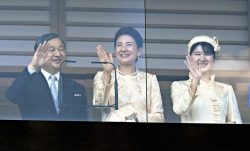
Currently, the Imperial family has 16 members, with three eligible to succeed to the throne: Crown Prince Akishino, 60, his son Prince Hisahito, 19, and Prince Hitachi, 90, the brother of the Emperor Emeritus.
Japan has only ever had emperors connected to the Imperial lineage through their paternal bloodline. When asked whether it would be better to maintain the paternal line or allow succession by descendants from the maternal line, 64% said they would prefer to allow female lineage, far outstripping the 13% who preferred to maintain the male lineage. Twenty-two percent said they were undecided.
By gender, women were more positive about both a female emperor and an emperor who ascends to the throne via the maternal line.
The ruling and opposition parties have been discussing measures to secure the number of Imperial family members under the heads of both chambers of the Diet. Sixty-seven percent of respondents said the Diet should reach a conclusion on measures to ensure a stable Imperial succession and secure Imperial Family members, while 31% thought otherwise.
In May, The Yomiuri Shimbun compiled a set of proposals for a stable Imperial succession, presenting measures under four pillars: Prioritize continuation of the Imperial line; maintain the emperor as a symbol of the state; establish Imperial family branches headed by women; and enable husbands and children to become Imperial family members.
The survey was conducted via mail from Sept. 24 to Oct. 31 on 3,000 eligible voters nationwide, with 67% responding.





Most Read
Popular articles in the past 24 hours
-

Japanese Shipping Giants Halt Strait of Hormuz Transit as Iran Co...
-

U.S. Launches Attacks on Iran: Avoid Escalation of Conflict by An...
-

Japan Shares and Yen Fall, Jgbs Rise as Iran Strikes Continue
-
Takaichi: Japan Striving to Ensure Safety of Japanese Nationals; ...
-

Sawtooth Roof Factory Stands as Monument to Ashikaga Textile Hist...
-
Kyoto Animation President Hideaki Hatta Dies of Illness at 76; Co...
-
Parents of Japanese Teen Shot in U.S. Strive for Gun Control
-

Disinformation Spreads About Team Mirai, Ballot Readers; Online P...
Popular articles in the past week
-

Nepal Bus Crash Kills 19 People, Injures 25 Including One Japanes...
-
Milano Cortina 2026: Japanese Gold Medalist Figure Skater Miura S...
-

Tokyo Spends Big on Children, Wins Over Parents
-

McDonald's Japan Raises Prices; Big Mac to Cost ¥500, Double Chee...
-
Japan’s Miura, Kihara Announce Withdrawal from Figure Skating Wor...
-

Exhibition Featuring Yoshiharu Tsuge’s Manga World Underway in Ch...
-

Yokohama to Test Out Renewable-Powered Offshore Floating Data Cen...
-
BOJ Keeping Eye on Economy and Takaichi's ‘Proactive Fiscal Polic...
Popular articles in the past month
-

Producer Behind Pop Group XG Arrested for Cocaine Possession
-

Japan PM Takaichi’s Cabinet Resigns en Masse
-

Man Infected with Measles Reportedly Dined at Restaurant in Tokyo...
-

Israeli Ambassador to Japan Speaks about Japan’s Role in the Reco...
-

Videos Plagiarized, Reposted with False Subtitles Claiming ‘Ryuky...
-

Man Infected with Measles May Have Come in Contact with Many Peop...
-

Prudential Life Insurance Plans to Fully Compensate for Damages C...
-

Woman with Measles Visited Hospital in Tokyo Multiple Times Befor...
Top Articles in Society
-
Producer Behind Pop Group XG Arrested for Cocaine Possession
-
Man Infected with Measles Reportedly Dined at Restaurant in Tokyo Station
-
Man Infected with Measles May Have Come in Contact with Many People in Tokyo, Went to Store, Restaurant Around When Symptoms Emerged
-
Woman with Measles Visited Hospital in Tokyo Multiple Times Before Being Diagnosed with Disease
-

Bus Carrying 40 Passengers Catches Fire on Chuo Expressway; All Evacuate Safely
JN ACCESS RANKING
-
Producer Behind Pop Group XG Arrested for Cocaine Possession
-
Japan PM Takaichi’s Cabinet Resigns en Masse
-
Man Infected with Measles Reportedly Dined at Restaurant in Tokyo Station
-
Israeli Ambassador to Japan Speaks about Japan’s Role in the Reconstruction of Gaza
-
Videos Plagiarized, Reposted with False Subtitles Claiming ‘Ryukyu Belongs to China’; Anti-China False Information Also Posted in Japan