
Restaurants, Bars in Japan’s Tohoku Region Feeling Impact of Bear Attacks as Customers Cancel Reservations Ahead of Year-End Holidays
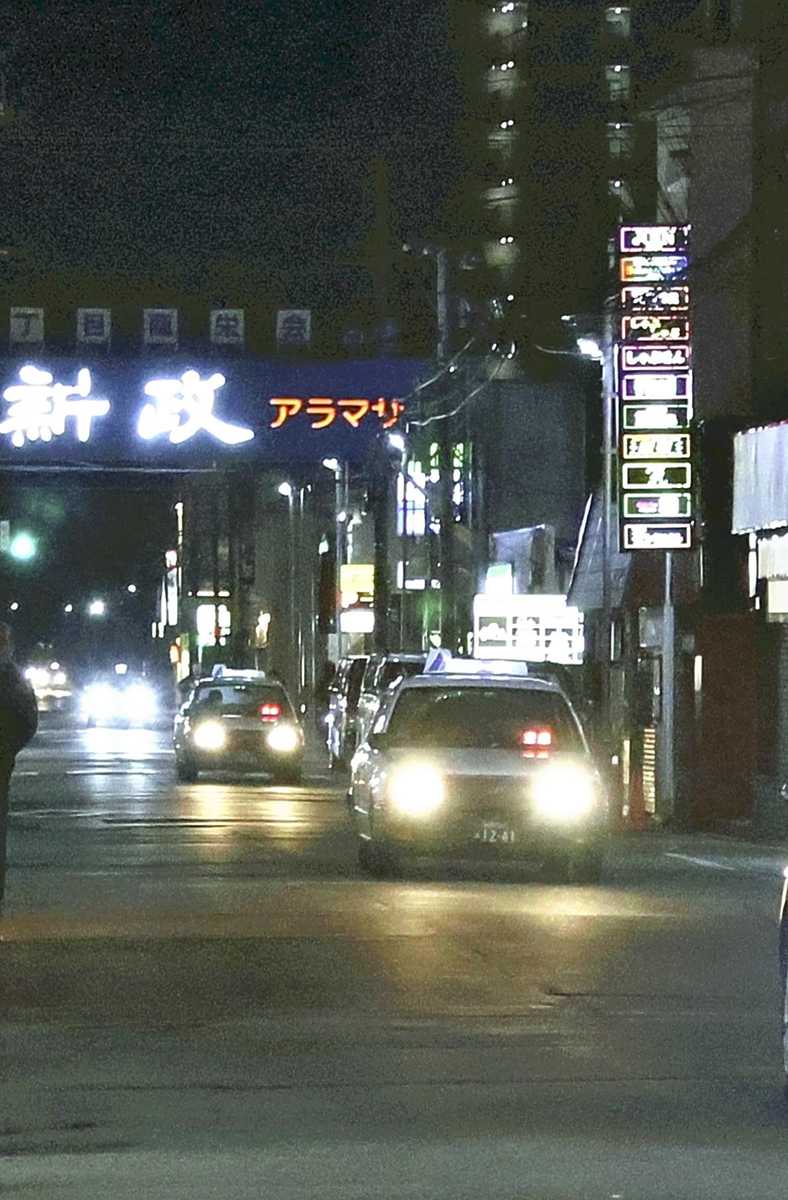
Only a few taxis are seen on a street in Akita City’s Kawabata entertainment district on Nov. 26.
2:00 JST, December 3, 2025
AKITA/MORIOKA — Restaurants and bars in the Tohoku region are feeling the impact of the recent bear attacks, as people have been cancelling their reservations ahead of the year-end party season.
The usually packed streets in Akita and other prefectures have been quiet, alcohol beverage sales have declined and those in the restaurant and bar business are worried about facing financial hardships similar to that which they faced during the COVID-19 pandemic.
Local governments have established business advisory services to support restaurant, bar and other business operators who are likely to be affected by the bear attacks.
“Bears could be anywhere now,” said Satoshi Sato, 66, secretary general of an association of 55 restaurant and other businesses in Akita City’s Kawabata entertainment district. “Customers started staying away and they’re cancelling their reservations one after another.”
According to Akita Prefecture’s website on sightings of wildlife, 1,936 bear were seen in the city in October and 1,435 in November, a sharp increase compared to the summer months when bear sightings were in the hundreds. Bears have already been spotted this month as well.
According to Sato, more people are choosing not to go out in the city at night or skipping after-parties. Some establishments have started closing earlier or changed their automatic doors to manual ones to prevent bears from entering.
“Both customers and employees are really scared of bears,” Sato said. “People might think that it’s just another good reason to not go out to eat and drink, as things are getting more expensive anyway.”
At Akita City’s Eiyu, which supplies alcoholic beverages to many restaurants and bars in the prefecture, sales since late September have dropped about 10% compared to the same period last year.
“Shop owners are worried that the situation is similar to the one they faced during the COVID-19 pandemic,” Eiyu President Kazumi Tomino, 52, said.
Shiro Watanabe, 77, who runs six restaurants and bars in Morioka, said he hopes that things will not drag on, as December is the busy season.
A bear was seen several times around one of his establishments in central Morioka from October to November.
The number of customers at his businesses has significantly dropped since October, with sales falling more than 30%, Watanabe said.
“Although the business finally overcame the effects of the pandemic, we now have bears,” he said.
The Akita prefectural government created a business advisory service in mid-November to support such businesses as restaurants, bars and tourism-related businesses whose sales have declined as a result of the bear attacks. The prefectural government said it has already received such inquiries and requests as whether there is a system to support the businesses and that they want the local government to consider subsidies to cover the cost of businesses having to close.
The Yamagata prefectural government has also set up support services to advise businesses about management and financing.
“Some businesses are dealing with operational difficulties,” said an official of the prefecture’s commercial promotion and management support division. “We want to help them by introducing assistance programs based on their individual situation.”
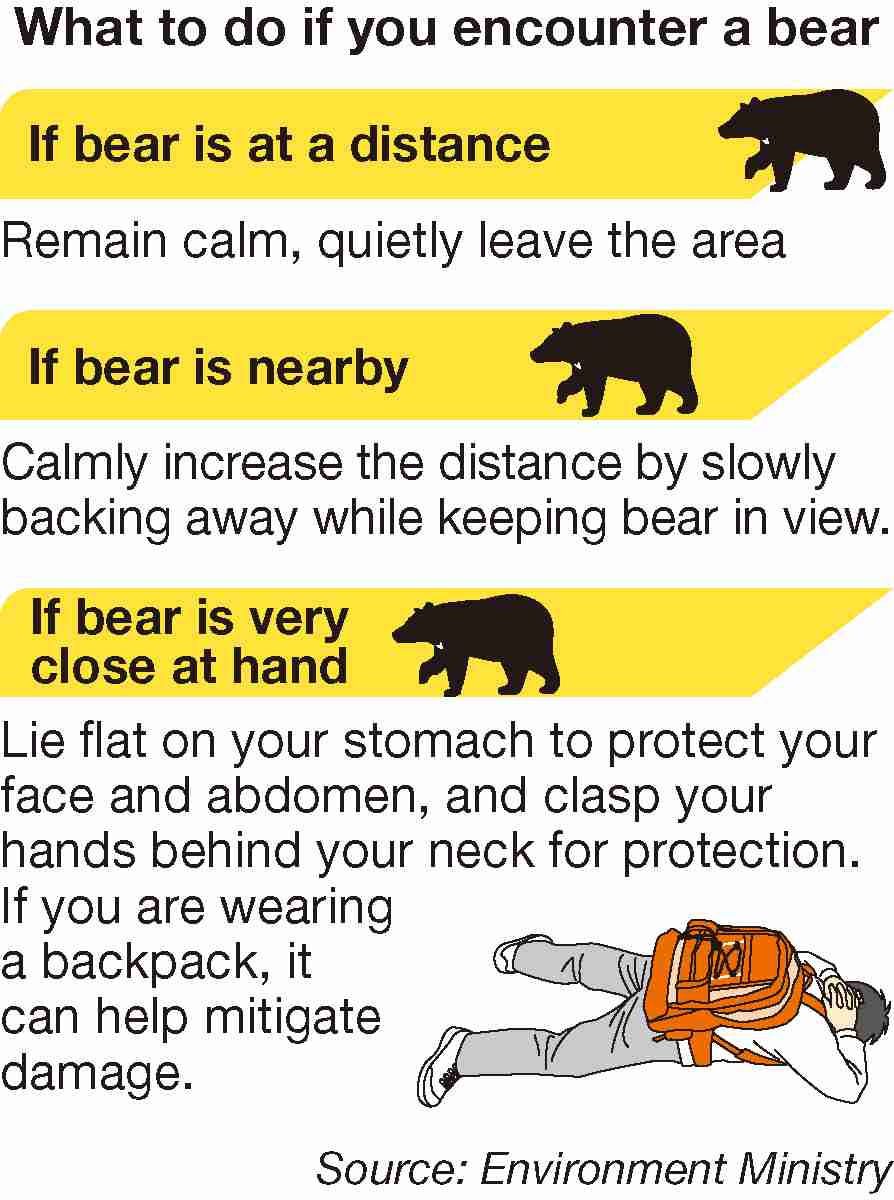
How to Protect Yourself During Bear Encounters


Related Tags


Most Read
Popular articles in the past 24 hours
-

McDonald's Japan Raises Prices; Big Mac to Cost ¥500, Double Chee...
-

Nepal Bus Crash Kills 19 People, Injures 25 Including One Japanes...
-

Japan’s Nikkei Stock Average Rises as AI-Related Stocks Shine; Co...
-

Aggression against Ukraine: Malignant Precedent Must Not Be Set t...
-
Joruri Bunraku Narrative Performed in Honor of Donald Keene by La...
-

Milano Cortina 2026: Gold Medal Olympic Figure Skaters Riku Miura...
-
Kanto's 1st Spring Wind Blows as Tokyo Sees Unseasonably High Tem...
-

How Keri Russell's Suede Coach Boots Ended up in My Closet
Popular articles in the past week
-

Producer Behind Pop Group XG Arrested for Cocaine Possession
-

Japan PM Takaichi’s Cabinet Resigns en Masse
-

Sanae Takaichi Elected Prime Minister of Japan; Keeps All Cabinet...
-

Japan's Govt to Submit Road Map for Growth Strategy in March, PM ...
-

Bus Carrying 40 Passengers Catches Fire on Chuo Expressway; All E...
-

Japan, U.S. Name 3 Inaugural Investment Projects; Reached Agreeme...
-

Riku-Ryu Pair Wins Gold Medal: Their Strong Bond Leads to Major C...
-

iPS Treatments Pass Key Milestone, but Broader Applications Far f...
Popular articles in the past month
-
Producer Behind Pop Group XG Arrested for Cocaine Possession
-
Japan PM Takaichi’s Cabinet Resigns en Masse
-

Japan Institute to Use Domestic Commercial Optical Lattice Clock ...
-

Man Infected with Measles Reportedly Dined at Restaurant in Tokyo...
-

Israeli Ambassador to Japan Speaks about Japan’s Role in the Reco...
-

Videos Plagiarized, Reposted with False Subtitles Claiming ‘Ryuky...
-

Man Infected with Measles May Have Come in Contact with Many Peop...
-

Prudential Life Insurance Plans to Fully Compensate for Damages C...
Top Articles in Society
-
Producer Behind Pop Group XG Arrested for Cocaine Possession
-
Man Infected with Measles Reportedly Dined at Restaurant in Tokyo Station
-
Man Infected with Measles May Have Come in Contact with Many People in Tokyo, Went to Store, Restaurant Around When Symptoms Emerged
-

Woman with Measles Visited Hospital in Tokyo Multiple Times Before Being Diagnosed with Disease
-
Australian Woman Dies After Mishap on Ski Lift in Nagano Prefecture
JN ACCESS RANKING
-
Producer Behind Pop Group XG Arrested for Cocaine Possession
-
Japan PM Takaichi’s Cabinet Resigns en Masse
-
Man Infected with Measles Reportedly Dined at Restaurant in Tokyo Station
-
Israeli Ambassador to Japan Speaks about Japan’s Role in the Reconstruction of Gaza
-
Videos Plagiarized, Reposted with False Subtitles Claiming ‘Ryukyu Belongs to China’; Anti-China False Information Also Posted in Japan