
Supreme Court Acquits 2 TEPCO Execs of Negligence; Unforeseeability of Huge Tsunami in Fukushima Cited
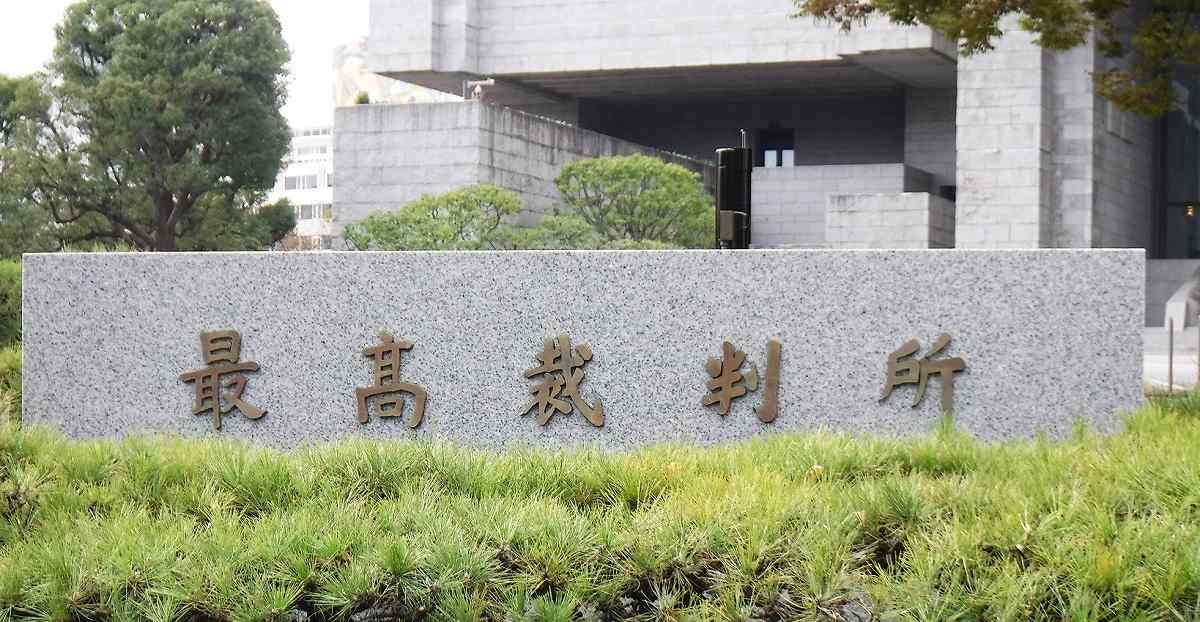
The Supreme Court
18:25 JST, March 6, 2025
The Supreme Court has upheld a lower court ruling that acquitted two former executives of Tokyo Electric Power Company Holdings Inc. of criminal negligence over the 2011 accident at the Fukushima No. 1 nuclear plant, concluding that they could not have foreseen the massive tsunami that triggered the accident.
The top court on Wednesday dismissed an appeal by court-appointed lawyers designated to act as prosecutors, who sought the annulment of a Tokyo High Court ruling that had acquitted the defendants of charges of professional negligence resulting in death.
As a result, the acquittal of former TEPCO executive vice presidents Ichiro Takekuro, 78, and Sakae Muto, 74, has become final.
All three justices on the Second Petty Bench of the Supreme Court agreed on the ruling.
The prosecution’s case against former TEPCO Chairman Tsunehisa Katsumata, who also faced mandatory indictment, was dismissed as he died in October last year.
The three defendants had authority over nuclear power plants when the accident happened in March 2011.
In 2016, the three were indicted for having failed to take measures against a massive tsunami although they could have predicted it. The indictment alleged that their negligence resulted in the deaths of 44 people, including patients who were evacuated from Futaba Hospital in Okuma, Fukushima Prefecture.
In September 2019, the three men were acquitted by the Tokyo District Court of charges of professional negligence resulting in death. The Tokyo High Court also acquitted them in January 2023.
The main point of contention in the trial was whether the two could have predicted the tsunami.
The specific focus was on the reliability of a long-term assessment released by the government in 2002 that presented the possibility of massive earthquakes off Fukushima Prefecture and other places, as well as of a prediction made by a TEPCO subsidiary in 2008, based on the assessment, that a tsunami of up to 15.7 meters could hit the nuclear power plant.
The top court concluded that the long-term assessment did not provide evidence that would be generally accepted and that it was not considered highly reliable by a government agency. Presiding Justice Kazumi Okamura said the high court ruling that the assessment did not establish the possibility of tsunami in a realistic manner cannot be considered irrational.



Most Read
Popular articles in the past 24 hours
-

‘Dry Bonsai’ Gives New Life to Withered Trees, Allows Free Artist...
-

McDonald's Japan Raises Prices; Big Mac to Cost ¥500, Double Chee...
-

Nepal Bus Crash Kills 19 People, Injures 25 Including One Japanes...
-

Japan’s Nikkei Stock Average Rises as AI-Related Stocks Shine; Co...
-

Aggression against Ukraine: Malignant Precedent Must Not Be Set t...
-
Joruri Bunraku Narrative Performed in Honor of Donald Keene by La...
-

Astellas Collaborates with Vir to Develop Its Experimental Prosta...
-

Early-Blooming Kawazu Cherry Blossoms Create Sea of Pink at Park ...
Popular articles in the past week
-

Producer Behind Pop Group XG Arrested for Cocaine Possession
-

Japan PM Takaichi’s Cabinet Resigns en Masse
-

Sanae Takaichi Elected Prime Minister of Japan; Keeps All Cabinet...
-

Japan's Govt to Submit Road Map for Growth Strategy in March, PM ...
-

Bus Carrying 40 Passengers Catches Fire on Chuo Expressway; All E...
-

Japan, U.S. Name 3 Inaugural Investment Projects; Reached Agreeme...
-

Riku-Ryu Pair Wins Gold Medal: Their Strong Bond Leads to Major C...
-
Tokyo Skytree's Elevator Stops, Trapping 20 People; All Rescued (...
Popular articles in the past month
-
Producer Behind Pop Group XG Arrested for Cocaine Possession
-
Japan PM Takaichi’s Cabinet Resigns en Masse
-

Japan Institute to Use Domestic Commercial Optical Lattice Clock ...
-

Man Infected with Measles Reportedly Dined at Restaurant in Tokyo...
-

Israeli Ambassador to Japan Speaks about Japan’s Role in the Reco...
-

Videos Plagiarized, Reposted with False Subtitles Claiming ‘Ryuky...
-

Man Infected with Measles May Have Come in Contact with Many Peop...
-

Prudential Life Insurance Plans to Fully Compensate for Damages C...
Top Articles in Society
-
Producer Behind Pop Group XG Arrested for Cocaine Possession
-
Man Infected with Measles Reportedly Dined at Restaurant in Tokyo Station
-
Man Infected with Measles May Have Come in Contact with Many People in Tokyo, Went to Store, Restaurant Around When Symptoms Emerged
-

Woman with Measles Visited Hospital in Tokyo Multiple Times Before Being Diagnosed with Disease
-
Australian Woman Dies After Mishap on Ski Lift in Nagano Prefecture
JN ACCESS RANKING
-
Producer Behind Pop Group XG Arrested for Cocaine Possession
-
Japan PM Takaichi’s Cabinet Resigns en Masse
-
Japan Institute to Use Domestic Commercial Optical Lattice Clock to Set Japan Standard Time
-
Man Infected with Measles Reportedly Dined at Restaurant in Tokyo Station
-
Israeli Ambassador to Japan Speaks about Japan’s Role in the Reconstruction of Gaza