
Tsunami Can Travel Vast Distances Before Striking, Warn Japanese Researchers
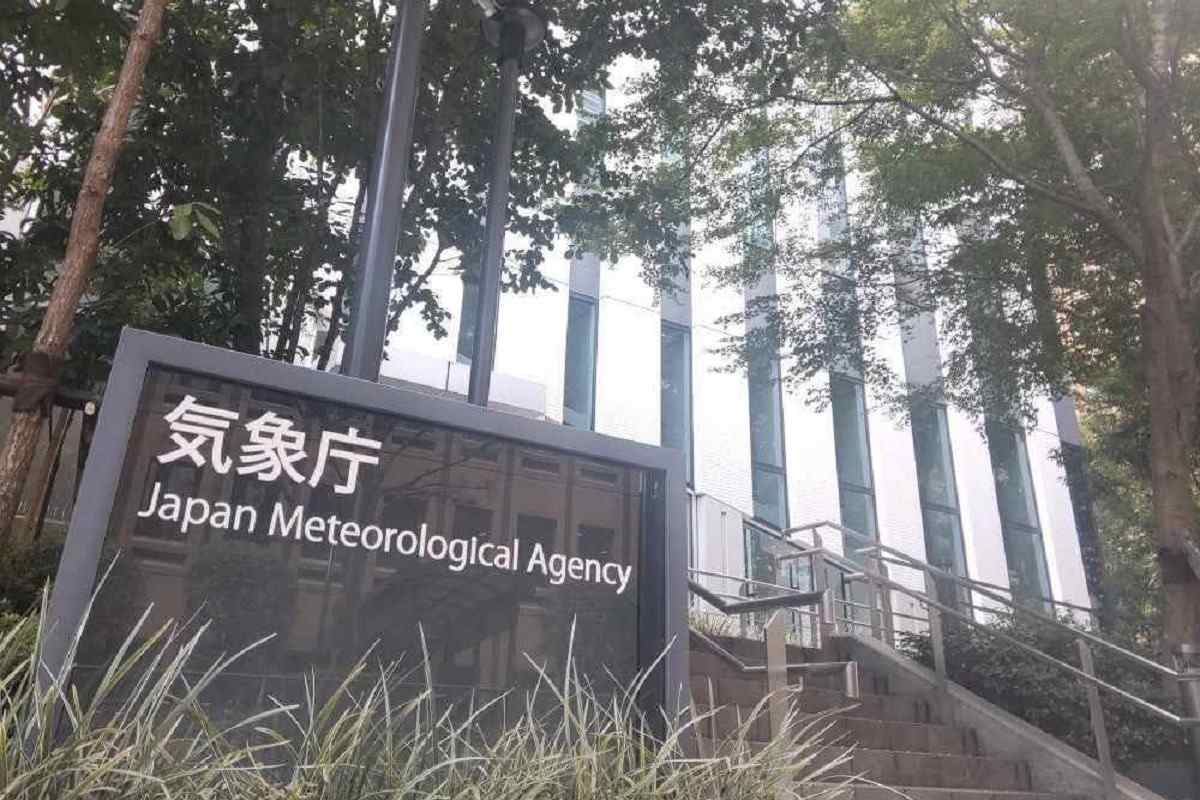
The Japan Meteorological Agency in Minato Ward, Tokyo
21:01 JST, January 6, 2026
Tsunami caused by the magnitude 8.8 quake that struck near Russia’s Kamchatka Peninsula last summer likely rebounded off South America and reached Japan about 48 hours later, according to analysis by the Japan Meteorological Agency’s research institute.
Tsunami that travel long distances before reaching Japan have been known to cause damage in many cases. Experts urge the public to be aware of the risks.
You may also like to read
1.3-Meter-High Tsunami Hits Iwate Prefecture Port Following Massive Earthquake Near Russia’s Kamchatka PeninsulaLast summer’s quake occurred at 8:24 a.m. on July 30. The Meteorological Agency issued tsunami warnings and advisories along the coasts of Tokyo and 12 other prefectures. Tsunami reached Japan that same day, and the highest waves, up to 1.4 meters tall, arrived by July 31. All tsunami warnings and advisories were lifted by the evening of July 31.
The Meteorological Research Institute reproduced wave movements with a supercomputer, using data on water pressure captured in the seabed observation network off the Tohoku region.
The analysis showed that tsunami initially traveled across the Pacific Ocean and reached the coast of South America, about 15,000 kilometers away from the quake’s epicenter. The waves then bounced off the coast and traveled back toward Japan via the Pacific.
The rebound tsunami are projected to have reached Japan about 48 hours after the earthquake, when tsunami warnings and advisories had been lifted. In fact, 0.6-meter-high waves were observed in Kamisu, Ibaraki Prefecture, and Kuji, Iwate Prefecture, in the morning of Aug. 1. The agency found that the tsunami could not be reproduced in an analysis that assumed there was no South American continent, only ocean.
Tsunami advisories are issued when waves are projected to be at least 0.2 meters high and are expected to cause damage.
You may also like to read
Strong Earthquakes Hit Japan’s Shimane and Tottori Prefectures; Injuries Reported from Falls, Cooking Oil Burns“At that time, the public was fully aware that tsunami had been observed. As we concluded that there was no risk of damage, we did not issue another advisory,” a Meteorological Agency official said.
In 1960, a tsunami caused by a magnitude 9.5 earthquake off the coast of Chile reached Japan in about 22 hours and left more than 100 people dead or missing.
“Tsunami can arrive far later than the first tsunami waves,” said Hiroaki Tsushima, a chief researcher at the Meteorological Research Institute. “The public should be more aware when it comes to disasters and be prepared for a similar earthquake.”


Related Tags



Most Read
Popular articles in the past 24 hours
-
Kesennuma, Miyagi Pref., Locals Raise Carp Streamers as Symbol of...
-

Iran Situation: Significance of Rule of Law Must Be Conveyed
-

Toyota Advancing Plant-Based Biofuel Development in Fukushima Tow...
-

Trump Says Iran Had a New Site for Developing Nuclear Weapons
-
2 People Reportedly Found on Mt. Fuji; Hiking Trail Currently Clo...
-

CARTOON OF THE DAY (March 10)
-

Rapeseed Flowers Reach Peak Viewing Period at Tokyo's Showa Kinen...
-

Japan's TEPCO to Raise Electricity Rates for Corporations in Apri...
Popular articles in the past week
-

Ibaraki Pref.'s 1st Foreign Bus Driver Hired in Tsukuba
-
Amid Strait of Hormuz Blockade, Shipping Companies Scramble to Ge...
-

Govt to Utilize ODA for Ensuring Economic Security; Securing Ener...
-
Japan Govt Survey Finds Just 10% of Workers Want Working Hours to...
-

Japan's 2nd Round of U.S. Investments May Be Worth Over $100 Bill...
-

Imperial Family Watches World Baseball Classic Game Against Austr...
-

Nippon Life Insurance's U.S. Arm Sues OpenAI Over Legal Assistanc...
-

Donald Keene’s Drinking Buddy and Translator Yukio Kakuchi Pays T...
Popular articles in the past month
-

Producer Behind Pop Group XG Arrested for Cocaine Possession
-

Japan PM Takaichi’s Cabinet Resigns en Masse
-

Man Infected with Measles Reportedly Dined at Restaurant in Tokyo...
-

Videos Plagiarized, Reposted with False Subtitles Claiming ‘Ryuky...
-

iPS Treatments Pass Key Milestone, but Broader Applications Far f...
-

Sanae Takaichi Elected Prime Minister of Japan; Keeps All Cabinet...
-

Nepal Bus Crash Kills 19 People, Injures 25 Including One Japanes...
-

South Korea Tightens Rules on Foreigners Buying Homes in Seoul Me...
Top Articles in Science & Nature
-
iPS Treatments Pass Key Milestone, but Broader Applications Far from Guaranteed
-

Record 700 Startups to Gather at SusHi Tech Tokyo in April; Event Will Center on Themes Like Artificial Intelligence and Robotics
-
iPS Cell Products for Parkinson’s, Heart Disease OK’d for Commercialization by Japan Health Ministry Panel
-

Japan to Ban Use of Power Banks on Airplanes
-
Mt. Meakan in Japan’s Hokkaido Erupts, Plume Reaches 100 Meters
JN ACCESS RANKING
-
Producer Behind Pop Group XG Arrested for Cocaine Possession
-
Japan PM Takaichi’s Cabinet Resigns en Masse
-
Man Infected with Measles Reportedly Dined at Restaurant in Tokyo Station
-
Videos Plagiarized, Reposted with False Subtitles Claiming ‘Ryukyu Belongs to China’; Anti-China False Information Also Posted in Japan
-
iPS Treatments Pass Key Milestone, but Broader Applications Far from Guaranteed