
Electric Oranges? Japan’s Researchers Test Device to Generate Power from Mikan Mandarin Fields
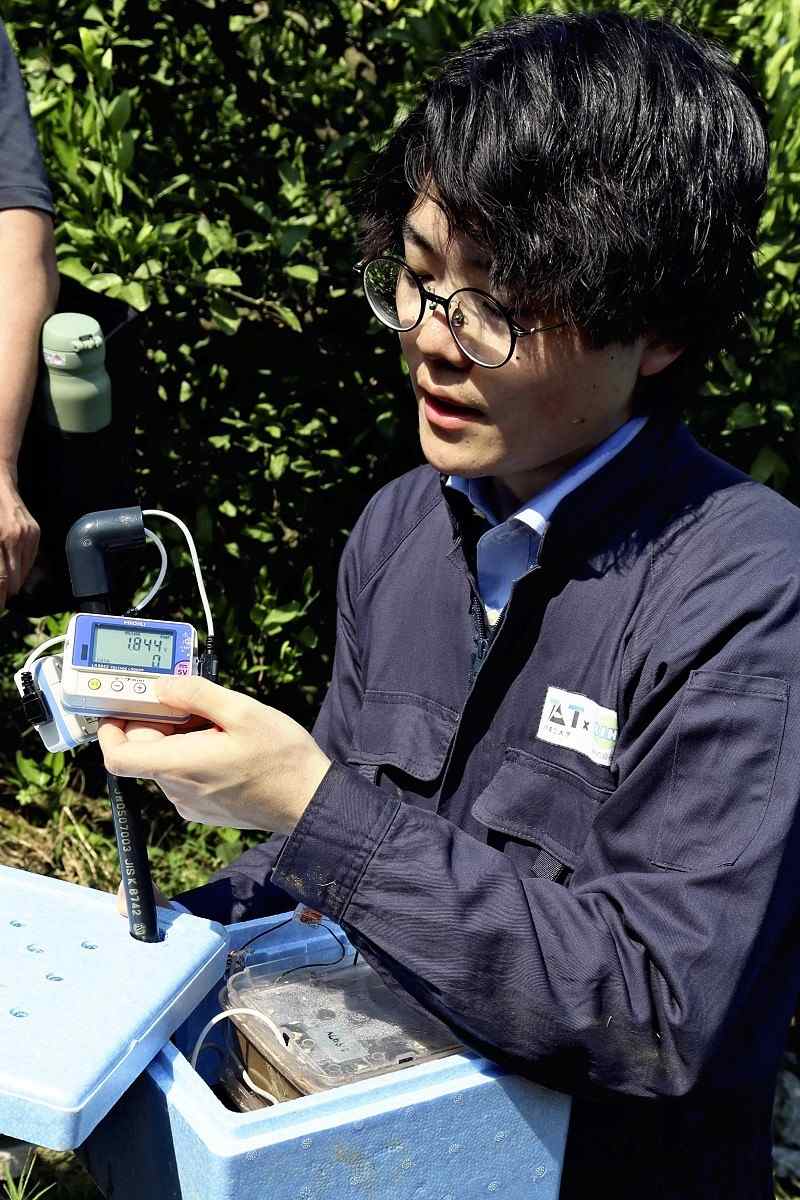
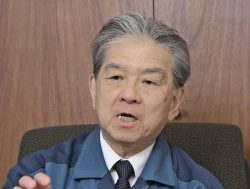
Left: Keisuke Matsumura, assistant professor at Tokyo University of Agriculture and Technology, explains the device.
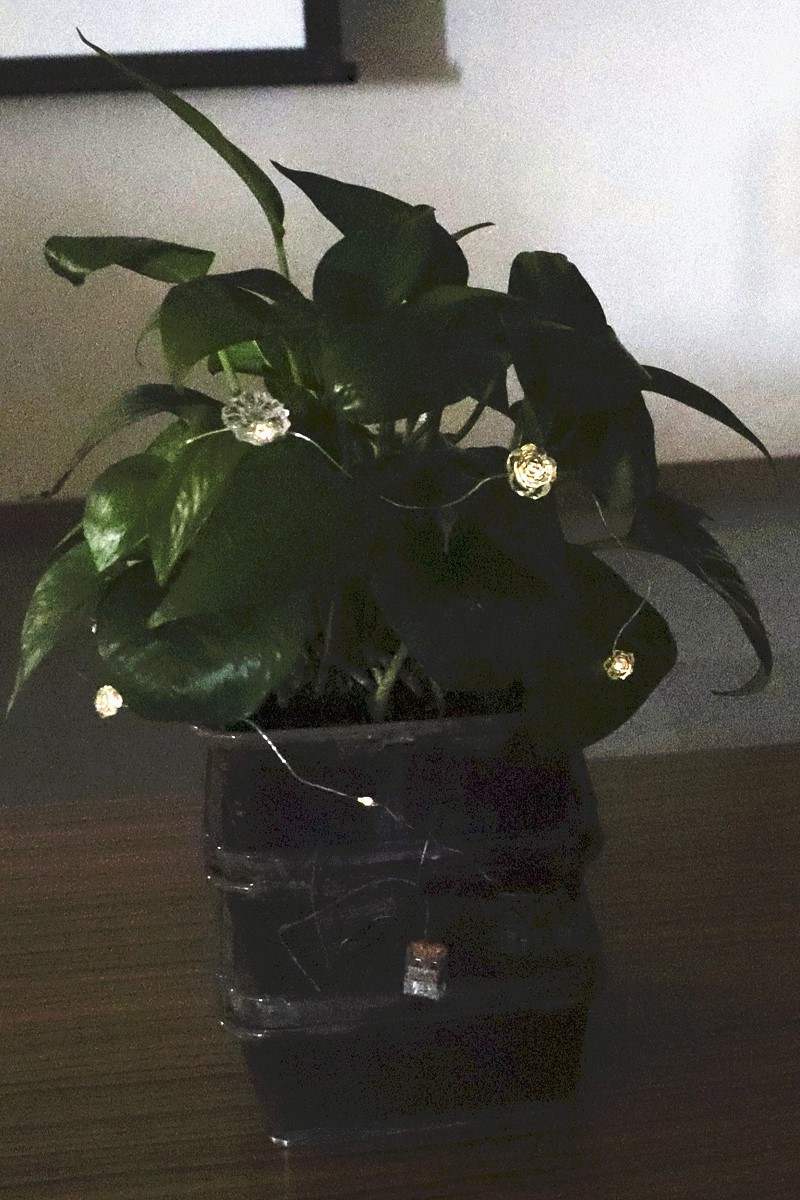
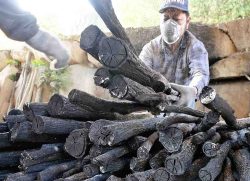
Right: LED bulbs that can be flashed by electricity produced by a device developed by Tokyo University of Agriculture and Technology.
1:00 JST, October 18, 2024
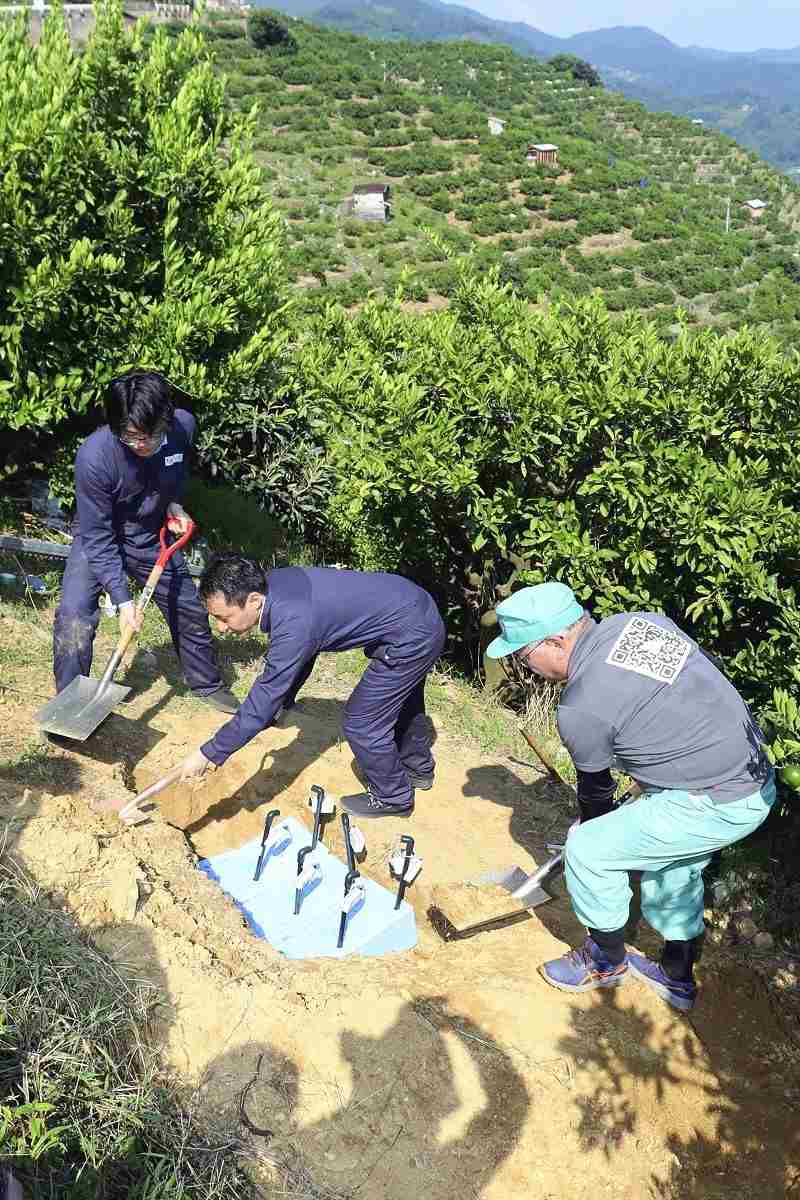
A team of researchers bury a microbial power generation device on a steeply-sloped mikan mandarin orange field in Yawatahama, Ehime Prefecture.
YAWATAHAMA, Ehime — Shikoku Electric Power Co. and researchers from the Tokyo University of Agriculture and Technology and other organizations have begun tests to prove the possibility of “microbial power generation” in mikan mandarin orange fields in Yawatahama and Ikata in Ehime Prefecture.
Making use of microorganisms that emit electrons and generate hydrogen ions when decomposing organic matter in the soil, the team’s “microbial fuel cell” stores these small electric charges for later use. In the current fiscal year, the team plans to examine whether power generation varies depending on climate and season. Starting from the next fiscal year, they plan to make use of the generated power for “smart agriculture,” in which they will remotely monitor data such as field temperatures.
The university began research on microbial power generation in 2019. According to Keisuke Matsumura, 28, a specially-appointed assistant professor, it has been known for about 100 years that microorganisms emit electrons, but because the amount of electricity generated is small, previous research into its practical applications made little progress. In recent years, however, technologies such as microbial fuel cells have been developed, and other universities and institutions are already conducting similar tests in rice paddies.
The Tokyo University of Agriculture and Technology has also developed an energy storage device, making it possible to output relatively large amounts of electricity for short periods of time. This allowed researchers to use the generated power to flash light-emitting diode (LED) bulbs and wirelessly transmit data.
Microorganisms that emit electrons exist in nature. Using them to generate electricity does not necessitate cultivating them to increase their numbers, and on-site soil can be used. A device can be buried in the soil to generate power using only the nutrients found there. In an effort to apply such environmentally friendly technology to agriculture, the university has decided to conduct its tests in cooperation with the electric power company and other bodies.
The technology is expected to help mikan farmers, many of whom are aging. If it can be used to power devices to remotely monitor the temperature and other data on their mikan mandarins, which are often grown on steep slopes, it could reduce the burden they face in patrolling their fields.
In an experiment conducted by the university, a single device containing about 350 cubic centimeters of soil was proven to be able to generate about 10 microwatts of electricity. In their ongoing test, the team will verify whether such a device can stably generate power in an outdoor field.
In early September, Matsumura and his team buried a device about 30 centimeters underground in a mikan field in Yawatahama and began measuring the voltage. The field, which is located at an altitude of about 200 meters, is managed by a company affiliated with Shikoku Electric Power.
“Although it doesn’t output that much power, we want to make use of the small amount of energy in the soil around us for agriculture,” Matsumura said. “We also want to determine how power generation changes depending on the quality of the soil and show others that microbial power generation is useful.”
“We would like to make use of this system to solve local problems. Thanks to its simple structure, it may be possible to provide it at a low cost,” said Hiroyuki Mishima, head of Shikoku Electric Power’s New Business Planning Department.





Most Read
Popular articles in the past 24 hours
-

Moai Statue Shows Lasting Bond Between Miyagi Pref. Town, Easter ...
-
Japan's Defense Ministry: North Korea Appears to Have Fired Balli...
-

Milano Cortina 2026: Japan’s Oguri Wins Para Snowboard Silver at ...
-

National Intelligence Council: Proposed Body Must Be Utilized To ...
-

Aichi Fisheries Cooperatives Use Smart Tech to Farm Triploid Oyst...
-
Teachers Support Students’ Inquiry Learning behind the Scenes
-

Japan's Lower House Passes Budget Proposal; Could Be Delayed in U...
-

CARTOON OF THE DAY (March 14)
Popular articles in the past week
-

Japan Figure Skating Legend Yuzuru Hanyu Is Proud Disaster Surviv...
-
Govt to Utilize ODA for Ensuring Economic Security; Securing Ener...
-
15 Measles Patients Confirmed in Tokyo in Past 6 Days; 1 May Have...
-
Massive Sewer Pipe Found Jutting Out of Highway in Osaka
-

Japan Govt to Tighten Requirements to Receive Permanent Residency...
-
JR Tokai Breaks Ground on Yamanashi Maglev Station; Will Be Part ...
-
Power Outage Forces About 980 Passengers in Yokohama to Walk to T...
-

Beckoning Cats Get Makeover to Fit Modern Lifestyles with Sleek D...
Popular articles in the past month
-

Producer Behind Pop Group XG Arrested for Cocaine Possession
-

Japan PM Takaichi’s Cabinet Resigns en Masse
-

Man Infected with Measles Reportedly Dined at Restaurant in Tokyo...
-

Videos Plagiarized, Reposted with False Subtitles Claiming ‘Ryuky...
-
Japan Figure Skating Legend Yuzuru Hanyu Is Proud Disaster Surviv...
-

iPS Treatments Pass Key Milestone, but Broader Applications Far f...
-

Sanae Takaichi Elected Prime Minister of Japan; Keeps All Cabinet...
-

Nepal Bus Crash Kills 19 People, Injures 25 Including One Japanes...
Top Articles in Science & Nature
-
iPS Treatments Pass Key Milestone, but Broader Applications Far from Guaranteed
-
Record 700 Startups to Gather at SusHi Tech Tokyo in April; Event Will Center on Themes Like Artificial Intelligence and Robotics
-
iPS Cell Products for Parkinson’s, Heart Disease OK’d for Commercialization by Japan Health Ministry Panel
-

Parents in Japan to Get Instagram Notifications When Teens Repeatedly Search for Suicide Content
-
Japan to Ban Use of Power Banks on Airplanes
JN ACCESS RANKING
-
Producer Behind Pop Group XG Arrested for Cocaine Possession
-
Japan PM Takaichi’s Cabinet Resigns en Masse
-
Man Infected with Measles Reportedly Dined at Restaurant in Tokyo Station
-
Videos Plagiarized, Reposted with False Subtitles Claiming ‘Ryukyu Belongs to China’; Anti-China False Information Also Posted in Japan
-
Japan Figure Skating Legend Yuzuru Hanyu Is Proud Disaster Survivor and Gold Medalist, Vows to Continue Support Efforts