
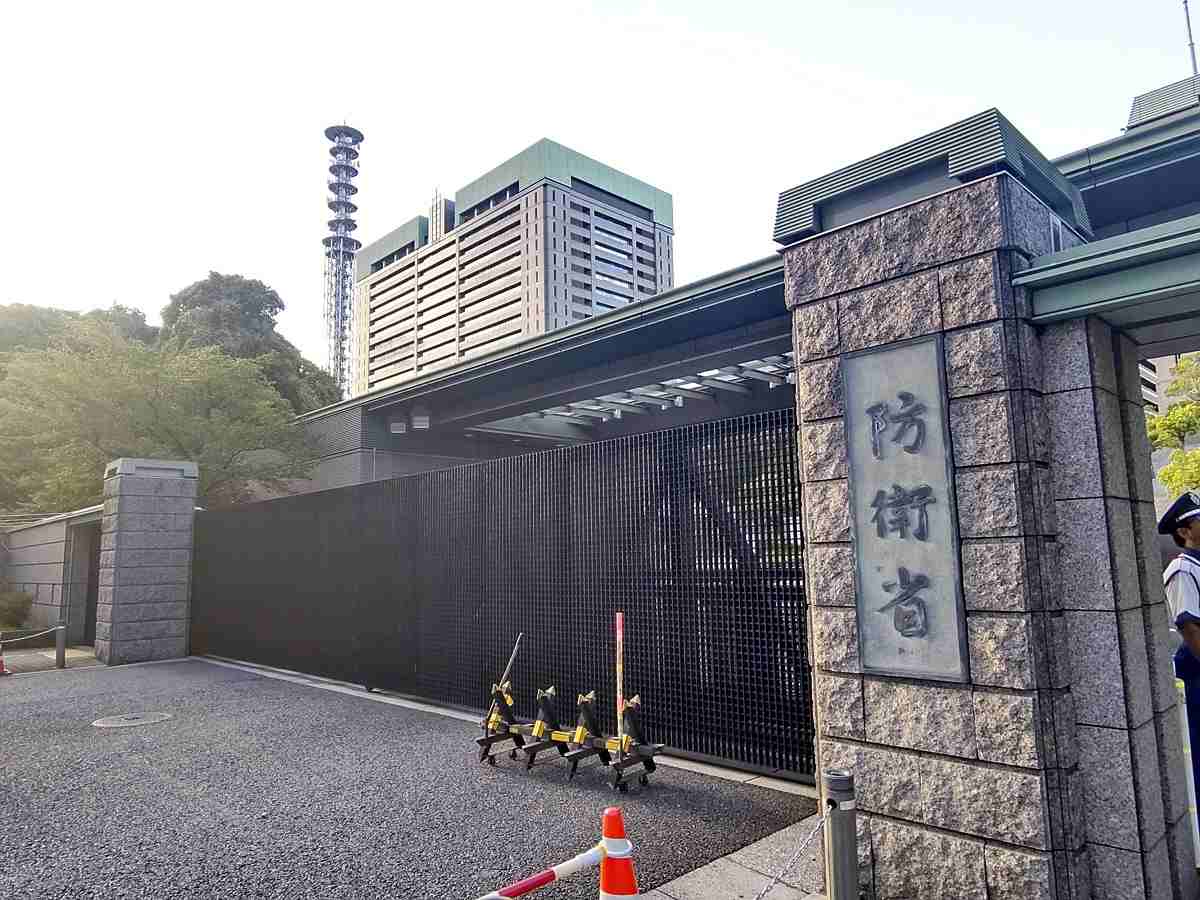
The Defense Ministry head office in Shinjuku Ward, Tokyo
12:18 JST, December 21, 2024
TOKYO (Jiji Press) — The Japanese government compiled Friday a basic plan on improving working conditions for Self-Defense Force members, centered around upgrading the pay structure, boosting career-building support and raising the retirement age.
The move is aimed at “stably securing excellent SDF personnel to truly achieve a drastic strengthening of defense capabilities” amid a chronic lack of applicants at a time when the security environment for the country is worsening, according to the plan.
Improving working conditions for the members “is a serious challenge” for his administration, Prime Minister Shigeru Ishiba told a meeting of relevant cabinet ministers held to adopt it.
To raise wages to levels commensurate with constrains and burdens posed by SDF jobs, the policy bundle calls on the government to aim to upgrade in fiscal 2028 the current pay structure, which is based on the salary system for public security officials such as police officers.
Specifically, the government plans to create allowances for special duties such as air traffic control and tasks linked to cyberspace. Its fiscal 2025 budget proposal will cover a total of 31 allowances to be created or increased.
Also planned is a payment of up to ¥1.2 million over six years after recruitment for general sergeant candidates living in bases or garrisons.
To support the post-SDF career development, ministries and agencies concerned will be tasked to request industry groups to find jobs that enable former personnel to make use of knowledge and skills they gained in the forces. In addition, official certification processes such as for marine engineers and aviation mechanics will be simplified.
Many SDF staff have a retirement age of 56, earlier than other public servants. The basic plan calls for mulling raising the age by about two years from fiscal 2028 or later.
On top of the chronic shortage of applicants, the number of personnel who left in mid-career reached 6,258 in fiscal 2023, the highest since the bubble economy through the 1990s, according to the Defense Ministry.
The government acknowledges that transforming the SDF is “a pressing issue” amid the diversification of attitudes toward work among younger generations.
The ministry will accelerate efforts to tackle the issue by setting up in the next fiscal year starting in April a new division in charge of strengthening the SDF’s manpower foundation.





Most Read
Popular articles in the past 24 hours
-

My Spendthrift Mother Constantly Asks Me for Money
-

Japanese Students Use Traditional Pickle to Create Novel Wagashi ...
-

‘Dry Bonsai’ Gives New Life to Withered Trees, Allows Free Artist...
-

McDonald's Japan Raises Prices; Big Mac to Cost ¥500, Double Chee...
-

Nepal Bus Crash Kills 19 People, Injures 25 Including One Japanes...
-

Astellas Collaborates with Vir to Develop Its Experimental Prosta...
-

Japan’s Nikkei Stock Average Rises as AI-Related Stocks Shine; Co...
-

Early-Blooming Kawazu Cherry Blossoms Create Sea of Pink at Park ...
Popular articles in the past week
-

Producer Behind Pop Group XG Arrested for Cocaine Possession
-

Japan PM Takaichi’s Cabinet Resigns en Masse
-

Sanae Takaichi Elected Prime Minister of Japan; Keeps All Cabinet...
-

Japan's Govt to Submit Road Map for Growth Strategy in March, PM ...
-

Bus Carrying 40 Passengers Catches Fire on Chuo Expressway; All E...
-

U.S. Firm to Build Training Hub in Fukushima N-plant for Debris R...
-

Japan, U.S. Name 3 Inaugural Investment Projects; Reached Agreeme...
-

Riku-Ryu Pair Wins Gold Medal: Their Strong Bond Leads to Major C...
Popular articles in the past month
-
Producer Behind Pop Group XG Arrested for Cocaine Possession
-
Japan PM Takaichi’s Cabinet Resigns en Masse
-

Japan Institute to Use Domestic Commercial Optical Lattice Clock ...
-

Man Infected with Measles Reportedly Dined at Restaurant in Tokyo...
-

Israeli Ambassador to Japan Speaks about Japan’s Role in the Reco...
-

Videos Plagiarized, Reposted with False Subtitles Claiming ‘Ryuky...
-

Man Infected with Measles May Have Come in Contact with Many Peop...
-

Prudential Life Insurance Plans to Fully Compensate for Damages C...
Top Articles in Politics
-
Japan PM Takaichi’s Cabinet Resigns en Masse
-
Sanae Takaichi Elected Prime Minister of Japan; Keeps All Cabinet Appointees from Previous Term
-
Japan’s Govt to Submit Road Map for Growth Strategy in March, PM Takaichi to Announce in Upcoming Policy Speech
-

LDP Wins Historic Landslide Victory
-

LDP Wins Landslide Victory, Secures Single-party Majority; Ruling Coalition with JIP Poised to Secure Over 300 seats (UPDATE 1)
JN ACCESS RANKING
-
Producer Behind Pop Group XG Arrested for Cocaine Possession
-
Japan PM Takaichi’s Cabinet Resigns en Masse
-
Japan Institute to Use Domestic Commercial Optical Lattice Clock to Set Japan Standard Time
-
Man Infected with Measles Reportedly Dined at Restaurant in Tokyo Station
-
Israeli Ambassador to Japan Speaks about Japan’s Role in the Reconstruction of Gaza