
Yomiuri International Cooperation Prize: Women-led conflict resolution key to resolving ‘overlooked’ issues
19:25 JST, November 20, 2025
The following is an excerpt from The Yomiuri Shimbun’s recent interview conducted in Tokyo with Rumiko Seya about her recent activities.
The Yomiuri Shimbun: How is the situation in Syria?
Rumiko Seya: New divisions are emerging in Syria — not just along ethnic or sectarian lines. There is friction between the south, which was under the control of the Assad government, and the north, which resisted.
Many displaced people are returning to their hometowns. However, with water, housing and other infrastructure devastated, there is friction with the residents who stayed. To keep the conflict from reigniting, I want to work with local groups to cultivate “bearers of peace,” particularly among women and young people.
You may also like to read
Rumiko Seya Wins Yomiuri International Cooperation Prize for Over 20 Years of Peacebuilding Efforts in Africa, Middle East, Other Regions Yomiuri International Cooperation Prize: Prize fosters future generations of professionalsYomiuri: What can be done in Afghanistan?
Seya: At first, evacuating abroad had to be kept secret. Some people were forced into movie-like escapes, hiding among truck cargo. Journalists who report on the oppression of women’s rights have been detained, making it hard for the world to grasp the reality of what is happening.
Women, who have been stripped of education and job opportunities, are forced into unwanted marriages, and put in a situation where they feel little hope.
That said, I have heard there is tolerance toward women working in spaces separate from men.
Together with local women’s groups, I want to promote women’s entrepreneurship in areas such as sewing and food production. Afghans buffeted by conflict look warmly on Japan thanks in part to the contributions of the late Dr. Tetsu Nakamura. They view Japan as a country that has continued to stand with them. I will do what I can for women in the country.
Yomiuri: What is the significance of women participating in conflict resolution?
Seya: It is women who bear the brunt in conflict zones and camps for displaced people. When women participate in support and resolution processes, issues that have been overlooked — and solutions that work for women — finally make it onto the agenda.
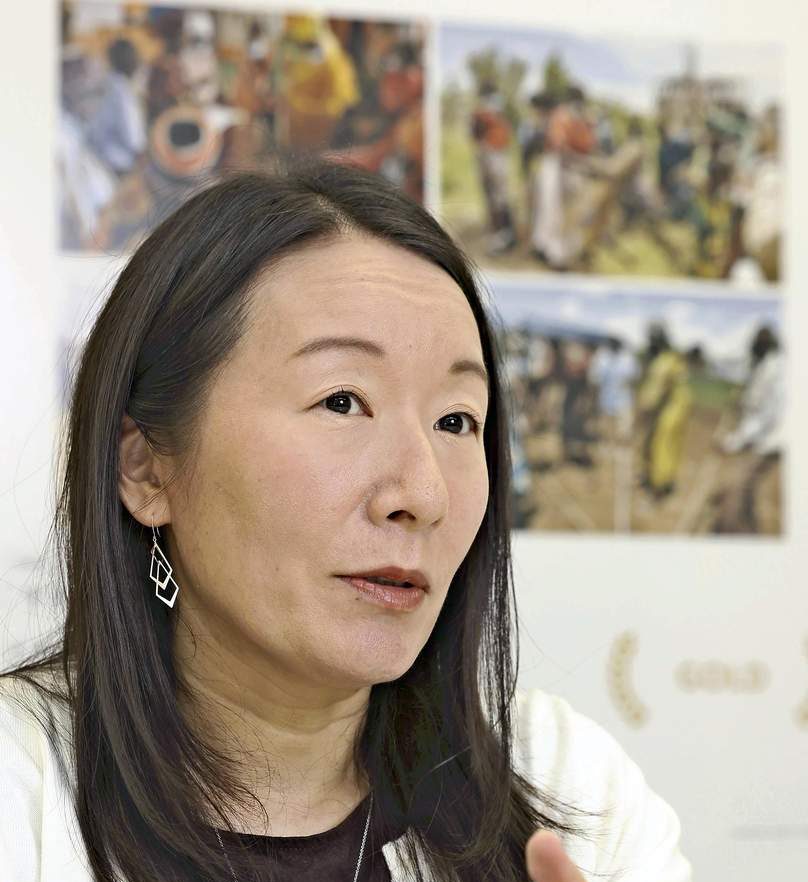
Rumiko Seya
Rumiko Seya was born in Gunma Prefecture in 1977. She graduated from Chuo University’s Faculty of Policy Studies and holds a master’s degree in conflict resolution from the University of Bradford in Britain. She is currently the president of Reach Alternatives (REALs).
Her specialization is peacebuilding and improving public safety, as well as disarmament, demobilization and reintegration (DDR) in conflict zones.
She served as the secretary general of the Tokyo-based Japan Center for Conflict Prevention (JCCP, now REALs) starting in 2007 and has been president since 2013.
Her publications include the book “Disarmament as a Profession.” Her work in conflict areas is featured in a high school English textbook. She is a mother of two.





Most Read
Popular articles in the past 24 hours
-
Power Outage Forces About 980 Passengers in Yokohama to Walk to T...
-

Masako Ikeda, Voice of Maetel in ‘Galaxy Express 999,' Dies at 87
-

Japan Defense Agency to Develop AI Intelligence Analysis System f...
-

Government to Establish ‘Command Center’ for Developing Nuclear P...
-

Oil Reserve Releases: G7 Members Unite against Growing Threat
-

Milano Cortina 2026: Japan’s Momoka Muraoka Takes Silver in...
-

Paw Patrol: Larry Marks 15 Years at 10 Downing Street
-
Moai Statue Shows Lasting Bond Between Miyagi Pref. Town, Easter ...
Popular articles in the past week
-
Japan Figure Skating Legend Yuzuru Hanyu Is Proud Disaster Surviv...
-
Govt to Utilize ODA for Ensuring Economic Security; Securing Ener...
-
15 Measles Patients Confirmed in Tokyo in Past 6 Days; 1 May Have...
-
Massive Sewer Pipe Found Jutting Out of Highway in Osaka
-
Japan Govt to Tighten Requirements to Receive Permanent Residency...
-

Beckoning Cats Get Makeover to Fit Modern Lifestyles with Sleek D...
-
JR Tokai Breaks Ground on Yamanashi Maglev Station; Will Be Part ...
-
Japan's 2nd Round of U.S. Investments May Be Worth Over $100 Bill...
Popular articles in the past month
-

Producer Behind Pop Group XG Arrested for Cocaine Possession
-

Japan PM Takaichi’s Cabinet Resigns en Masse
-

Man Infected with Measles Reportedly Dined at Restaurant in Tokyo...
-

Videos Plagiarized, Reposted with False Subtitles Claiming ‘Ryuky...
-
Japan Figure Skating Legend Yuzuru Hanyu Is Proud Disaster Surviv...
-

iPS Treatments Pass Key Milestone, but Broader Applications Far f...
-

Sanae Takaichi Elected Prime Minister of Japan; Keeps All Cabinet...
-

Nepal Bus Crash Kills 19 People, Injures 25 Including One Japanes...
Top Articles in JN Specialities
-

Step Back in Time at Historical Estate Renovated into a Commercial Complex in Tokyo
-

The Japan News / Weekly Edition (2/20-2/26)
-
‘World’s Oldest Bio-Business’ Is Japan’s Seed Koji Retailing, Mold Used to Make Fermented Products like Sake, Miso, Soy Sauce
-
Donald Keene’s Drinking Buddy and Translator Yukio Kakuchi Pays Tribute to Japanologist’s Lifelong Work
-
“The Tale of Genji” Back-Translation Project Led to Touching Encounter with Keene; Poet Sisters Recount Memories of Scholar at Packed Talk Event in Tokyo
JN ACCESS RANKING
-
Producer Behind Pop Group XG Arrested for Cocaine Possession
-
Japan PM Takaichi’s Cabinet Resigns en Masse
-
Man Infected with Measles Reportedly Dined at Restaurant in Tokyo Station
-
Videos Plagiarized, Reposted with False Subtitles Claiming ‘Ryukyu Belongs to China’; Anti-China False Information Also Posted in Japan
-
Japan Figure Skating Legend Yuzuru Hanyu Is Proud Disaster Survivor and Gold Medalist, Vows to Continue Support Efforts