
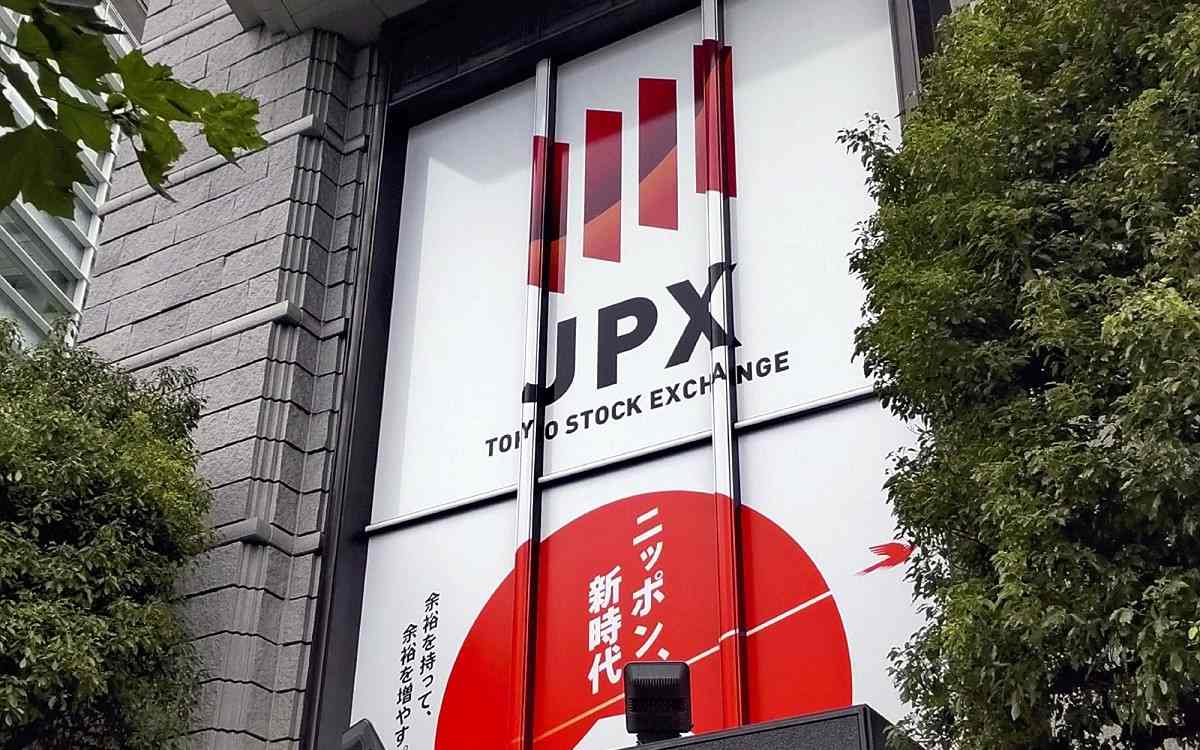
The Tokyo Stock Exchange
17:08 JST, March 13, 2026
TOKYO, March 13 (Reuters) – Japan’s Nikkei closed lower on Friday and posted a second consecutive weekly decline of 3.2%, as escalating tensions in the Middle East fueled inflation concerns and prompted investors to dump riskier assets.
The Nikkei dropped 1.2% to close at 53,819.61 on Friday, after sliding as much as 2.1% earlier in the session.
The index has lost 8.5% since its February 27 close, before the U.S.-Israeli war with Iran erupted. The broader Topix eased 0.6% to 3,629.03.
“Although crude oil prices have retreated slightly from their recent peak, they remain well above levels seen before the conflict began,” Shutarou Yasuda, market analyst at Tokai Tokyo Intelligence Laboratory, said in a report. “Risks of turbulence in equity markets are likely to persist next week, depending on the news flow.”
Brent futures for May edged 0.04% lower to $100.42 a barrel by 0615 GMT. U.S. West Texas Intermediate (WTI) crude for April CLc1 was down 0.6% at $95.12 a barrel.
The conflict has dampened sentiment in Japan markets, which had been driven by strong corporate earnings and expectations of expansionary fiscal policy after Prime Minister Sanae Takaichi won a snap election.
In the Nikkei index, there were 72 advancers and 152 laggards.
Technology shares dragged on the benchmark, with SoftBank Group slipping 4.5% and chip-testing equipment maker Advantest down 3.5%.
Honda Motor dropped 5.6%, its steepest percentage drop since February 2025, after Japan’s second-largest automaker said it would post its first annual loss in almost 70 years as a listed company over up to $15.7 billion in restructuring costs tied to its electric-vehicle business.
Bucking the broader trend, energy-related shares rose, with the Tokyo bourse’s energy explorers index, the best percentage gainer among its 33 sub-indexes, up 2.1%. Shares of Inpex, Japan’s largest oil and gas explorer, added 2%.










Most Read
Popular articles in the past 24 hours
-
JR Tokai Breaks Ground on Yamanashi Maglev Station; Will Be Part ...
-
‘King Kazu’ Discusses His Connection to Fukushima
-
Japan’s Gunma Official Suspended For Unauthorized Absence From Wo...
-

Milano Cortina 2026: Japan’s Alpine Skier Muraoka Extends P...
-
Rising Kabuki Star Works to Ensure Deaf Audience's Enjoyment of P...
-

Lady Bess: Iroha Okuda, Mayuko Kominami Discuss Performing Elizab...
-

Trump Discourages Iranian Soccer Team from Attending the World Cu...
-
Driver Dies in Collision with Express Train at Crossing in Mito; ...
Popular articles in the past week
-

Japan Figure Skating Legend Yuzuru Hanyu Is Proud Disaster Surviv...
-

Nippon Life Insurance's U.S. Arm Sues OpenAI Over Legal Assistanc...
-
Govt to Utilize ODA for Ensuring Economic Security; Securing Ener...
-
Massive Sewer Pipe Found Jutting Out of Highway in Osaka
-
15 Measles Patients Confirmed in Tokyo in Past 6 Days; 1 May Have...
-

Beckoning Cats Get Makeover to Fit Modern Lifestyles with Sleek D...
-
Japan Govt to Tighten Requirements to Receive Permanent Residency...
-
Japan Govt Survey Finds Just 10% of Workers Want Working Hours to...
Popular articles in the past month
-

Producer Behind Pop Group XG Arrested for Cocaine Possession
-

Japan PM Takaichi’s Cabinet Resigns en Masse
-

Man Infected with Measles Reportedly Dined at Restaurant in Tokyo...
-

Videos Plagiarized, Reposted with False Subtitles Claiming ‘Ryuky...
-
Japan Figure Skating Legend Yuzuru Hanyu Is Proud Disaster Surviv...
-

iPS Treatments Pass Key Milestone, but Broader Applications Far f...
-

Sanae Takaichi Elected Prime Minister of Japan; Keeps All Cabinet...
-

Nepal Bus Crash Kills 19 People, Injures 25 Including One Japanes...
Top Articles in News Services
-
Survey Shows False Election Info Perceived as True
-

Japan’s Nikkei Stock Average Falls as US-Iran Tensions Unsettle Investors (UPDATE 1)
-
Japan’s Nikkei Stock Average Rises on Tech Rally and Takaichi’s Spending Hopes (UPDATE 1)
-

Japan to Ban Use of Power Banks on Airplanes
-

North Korea Unveils Image of Kim Jong Un’s Teenage Daughter Firing Rifle
JN ACCESS RANKING
-
Producer Behind Pop Group XG Arrested for Cocaine Possession
-
Japan PM Takaichi’s Cabinet Resigns en Masse
-
Man Infected with Measles Reportedly Dined at Restaurant in Tokyo Station
-
Videos Plagiarized, Reposted with False Subtitles Claiming ‘Ryukyu Belongs to China’; Anti-China False Information Also Posted in Japan
-
Japan Figure Skating Legend Yuzuru Hanyu Is Proud Disaster Survivor and Gold Medalist, Vows to Continue Support Efforts