
Budget Proposal Passes Lower House: Is It Enough to Win over Opposition, Avoid Difficulties?
14:52 JST, December 12, 2025
The supplementary budget proposal for fiscal 2025, totaling ¥18.3 trillion, was approved at the House of Representatives plenary session. The ruling coalition of the Liberal Democratic Party and the Japan Innovation Party and opposition parties, such as the Democratic Party for the People and Komeito, voted in favor of the budget proposal.
The fact that the opposition parties’ demands were incorporated into the proposal beforehand was one reason it passed the lower house without difficulties.
The proposal has been sent to the House of Councillors, where it is expected to be enacted before the end of the current extraordinary Diet session next week. Obtaining support from some opposition parties could serve as a model for political management in the era of multiparty politics.
The proposal includes support for household electricity and gas bills, as well as the abolition of the provisional gasoline tax surcharge demanded by the DPFP and a cash payment of ¥20,000 per child as called for by Komeito.
A little over four months after the upper house election, it could be said that progress is finally being seen on measures to combat soaring prices, which have been delayed.
However, giving consideration to the opposition has led to an expansion of expenditure. In the markets, there is a growing sense of caution that the “responsible and proactive public finances” advocated by Prime Minister Sanae Takaichi’s administration could further worsen fiscal conditions, leading to a rise in long-term interest rates and other issues.
During the lower house Budget Committee meeting, Takaichi said that she had received a comment from the International Monetary Fund managing director saying that she was reassured that fiscal risks are being addressed through economic measures.
Takaichi seems to have wanted to emphasize that there are no fiscal problems whatsoever in the supplementary budget proposal because it has the endorsement of an international organization, but that is insufficient. To gain trust in her fiscal management, it is essential to present a clear road map toward fiscal consolidation.
Diet deliberations will now shift to focus on how to handle a bill submitted by the ruling parties to reduce the number of lower house seats. The bill stipulates that if ruling and opposition parties fail to reach a conclusion on electoral system reform within one year, about 10% of the seats will be automatically reduced.
The main opposition Constitutional Democratic Party of Japan criticized the bill as “too reckless,” questioning the basis for the size of the cut. Takaichi mentioned a bill submitted by the then Democratic Party of Japan in 2012 proposing an about 10% reduction of the seats, stating, “That level seems to convince [opposition parties].”
By bringing up a bill submitted by an opposing party 13 years ago as grounds for the figure, Takaichi effectively admitted herself that the appropriate number of seats has not been calculated carefully. The likely reality is that she simply went along with the JIP’s call for “self-sacrificing reform.”
The supplementary budget proposal also includes funds to introduce Self-Defense Forces radars on remote islands. This will achieve the goal of raising security-related expenditures to 2% of gross domestic product two years ahead of schedule.
Nevertheless, deliberations on defense policy in the lower house were meager. The strengthening of defense capabilities is an urgent issue. In-depth debate is needed in the upper house.
(From The Yomiuri Shimbun, Dec. 12, 2025)





Most Read
Popular articles in the past 24 hours
-

Hawaii Museum on Tsunami Including Japan's 2011 Disaster at Risk ...
-

Japan Train Company to Increase Fares, Including in Tokyo Metropo...
-

Tail of ANA Plane Struck Runway During Landing in Houston; No Inj...
-

Japan Govt to Tighten Requirements to Receive Permanent Residency...
-

Samurai Japan Holds First Practice in Miami; Team Will Play again...
-

Iran Targets Busiest International Airport as Top UN Body Demands...
-

Japan to Face Venezuela in World Baseball Classic Quarterfinals
-

North Korean Leader Kim and His Daughter Try out New Pistols at S...
Popular articles in the past week
-

Japan Figure Skating Legend Yuzuru Hanyu Is Proud Disaster Surviv...
-

Nippon Life Insurance's U.S. Arm Sues OpenAI Over Legal Assistanc...
-

Ibaraki Pref.'s 1st Foreign Bus Driver Hired in Tsukuba
-

Govt to Utilize ODA for Ensuring Economic Security; Securing Ener...
-

Massive Sewer Pipe Found Jutting Out of Highway in Osaka
-

Amid Strait of Hormuz Blockade, Shipping Companies Scramble to Ge...
-

Beckoning Cats Get Makeover to Fit Modern Lifestyles with Sleek D...
-
Japan Govt Survey Finds Just 10% of Workers Want Working Hours to...
Popular articles in the past month
-

Producer Behind Pop Group XG Arrested for Cocaine Possession
-

Japan PM Takaichi’s Cabinet Resigns en Masse
-

Man Infected with Measles Reportedly Dined at Restaurant in Tokyo...
-

Videos Plagiarized, Reposted with False Subtitles Claiming ‘Ryuky...
-

iPS Treatments Pass Key Milestone, but Broader Applications Far f...
-

Sanae Takaichi Elected Prime Minister of Japan; Keeps All Cabinet...
-
Japan Figure Skating Legend Yuzuru Hanyu Is Proud Disaster Surviv...
-

Nepal Bus Crash Kills 19 People, Injures 25 Including One Japanes...
Top Articles in Editorial & Columns
-

Riku-Ryu Pair Wins Gold Medal: Their Strong Bond Leads to Major Comeback Victory
-

Reciprocal Tariffs Ruled Illegal: Judiciary Would Not Tolerate President’s High-Handed Approach
-
Japan’s Plan for Investment in U.S.: Aim for Mutual Development by Ensuring Profitability
-
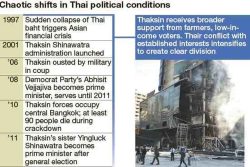
Chronic Issues Erode Thailand’s Economy as Political Confusion Persists, Threatening Terminal Decline in Its Economy
-
Iran Situation: Japan Must Exert Diplomatic Efforts without Merely Standing by
JN ACCESS RANKING
-
Producer Behind Pop Group XG Arrested for Cocaine Possession
-
Japan PM Takaichi’s Cabinet Resigns en Masse
-
Man Infected with Measles Reportedly Dined at Restaurant in Tokyo Station
-
Videos Plagiarized, Reposted with False Subtitles Claiming ‘Ryukyu Belongs to China’; Anti-China False Information Also Posted in Japan
-
iPS Treatments Pass Key Milestone, but Broader Applications Far from Guaranteed