
16:48 JST, August 16, 2025
Although the impact of the high tariff policy of U.S. President Donald Trump’s administration has been limited, sluggish personal consumption due to rising prices remains a concern.
It will be important for companies to formulate aggressive investment strategies and continue substantial wage increases.
The real gross domestic product for the April-June quarter increased by an annualized 1.0% from the previous quarter, according to a preliminary report. The January-March quarter was revised from negative to positive, marking five consecutive quarters of positive growth.
In April, the U.S. government imposed 10% “reciprocal” tariffs, with an additional 25% tariff on automobiles, raising concerns about adverse effects. However, Japanese automakers lowered export prices and focused on maintaining export volume rather than securing profits. As a result, overall exports increased by 2.0%.
Capital investment rose by 1.3%, driven by robust investment in software to advance digitalization.
Thanks to the efforts of companies to mitigate the impact of Trump’s tariffs, the latest GDP data apparently confirmed that the Japanese economy is on a moderate recovery track.
In late July, the United States and Japan reached a tariff agreement, which has somewhat dispelled the uncertainty about the future. Buoyed by the agreement, the Nikkei stock average has hit a record high and is now at the 43,000 level.
The stock market rally is a tailwind for a growth-oriented economy in which both wages and investment are increasing. Companies need to proceed with domestic investment and wage increases. The government should strongly urge the U.S. government to determine the timing for lowering its automobile tariffs and other details at an early stage.
However, there are many points to watch out for. Personal consumption, which accounts for more than half of the GDP, increased by only 0.2% from the previous quarter due to sluggish sales of beverages and other items. This suggests that households remain keen on saving.
Although the impact of the U.S. high tariff policy has been temporarily mitigated, the burden on companies will increase as this policy continues.
If automakers and other companies continue to absorb tariff costs, their profits will be squeezed. Eventually, they will have no choice but to raise prices to offset the tariffs. If that occurs, their price competitiveness in the United States will decline, and there is a possibility that consumers will refrain from purchasing their products due to the price hikes.
Trump’s tariff policy is difficult to predict. It is also necessary to be aware of the risk of global economic growth slowing down.
To achieve a strong Japanese economy that is not swayed by external demand, focus should be placed on stable growth driven by domestic demand. To overcome prolonged high prices and stimulate consumption, it is essential for companies to continue to raise wages substantially.
It is hoped that the government will promote investment and improve profitability through such means as labor-saving measures and digitalization to alleviate labor shortages and create an environment that is conducive to wage increases.
(From The Yomiuri Shimbun, Aug. 16, 2025)


Most Read
Popular articles in the past 24 hours
-
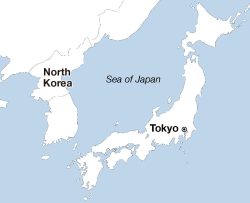
Japan's Defense Ministry: North Korea Appears to Have Fired Balli...
-

National Intelligence Council: Proposed Body Must Be Utilized To ...
-

Aichi Fisheries Cooperatives Use Smart Tech to Farm Triploid Oyst...
-

CARTOON OF THE DAY (March 14)
-
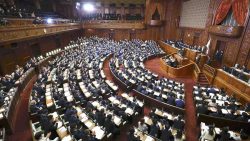
Japan's Lower House Passes Budget Proposal; Could Be Delayed in U...
-

Fukuoka: American Beavers at Japan's Zoo Create Sculptures; Visit...
-

Hyogo: Family in Japan Produces Traditional Charcoal to Help Pres...
-

Election Fraud in Tokyo’s Ota Ward: Use Incident As Catalyst for ...
Popular articles in the past week
-

Japan Figure Skating Legend Yuzuru Hanyu Is Proud Disaster Surviv...
-
Govt to Utilize ODA for Ensuring Economic Security; Securing Ener...
-
15 Measles Patients Confirmed in Tokyo in Past 6 Days; 1 May Have...
-
Massive Sewer Pipe Found Jutting Out of Highway in Osaka
-
Japan Govt to Tighten Requirements to Receive Permanent Residency...
-
JR Tokai Breaks Ground on Yamanashi Maglev Station; Will Be Part ...
-
Power Outage Forces About 980 Passengers in Yokohama to Walk to T...
-

Beckoning Cats Get Makeover to Fit Modern Lifestyles with Sleek D...
Popular articles in the past month
-

Producer Behind Pop Group XG Arrested for Cocaine Possession
-

Japan PM Takaichi’s Cabinet Resigns en Masse
-

Man Infected with Measles Reportedly Dined at Restaurant in Tokyo...
-
Japan Figure Skating Legend Yuzuru Hanyu Is Proud Disaster Surviv...
-

iPS Treatments Pass Key Milestone, but Broader Applications Far f...
-

Sanae Takaichi Elected Prime Minister of Japan; Keeps All Cabinet...
-

Nepal Bus Crash Kills 19 People, Injures 25 Including One Japanes...
-

South Korea Tightens Rules on Foreigners Buying Homes in Seoul Me...
Top Articles in Editorial & Columns
-
Riku-Ryu Pair Wins Gold Medal: Their Strong Bond Leads to Major Comeback Victory
-
Reciprocal Tariffs Ruled Illegal: Judiciary Would Not Tolerate President’s High-Handed Approach
-
Japan’s Plan for Investment in U.S.: Aim for Mutual Development by Ensuring Profitability
-

Chronic Issues Erode Thailand’s Economy as Political Confusion Persists, Threatening Terminal Decline in Its Economy
-
Iran Situation: Japan Must Exert Diplomatic Efforts without Merely Standing by
JN ACCESS RANKING
-
Producer Behind Pop Group XG Arrested for Cocaine Possession
-
Japan PM Takaichi’s Cabinet Resigns en Masse
-
Man Infected with Measles Reportedly Dined at Restaurant in Tokyo Station
-
Japan Figure Skating Legend Yuzuru Hanyu Is Proud Disaster Survivor and Gold Medalist, Vows to Continue Support Efforts
-
iPS Treatments Pass Key Milestone, but Broader Applications Far from Guaranteed