
Road to Greater Use of Renewable Energy Sources Gets Bumpier after Mitsubishi-Led Group Pulls Out of Wind Power Projects
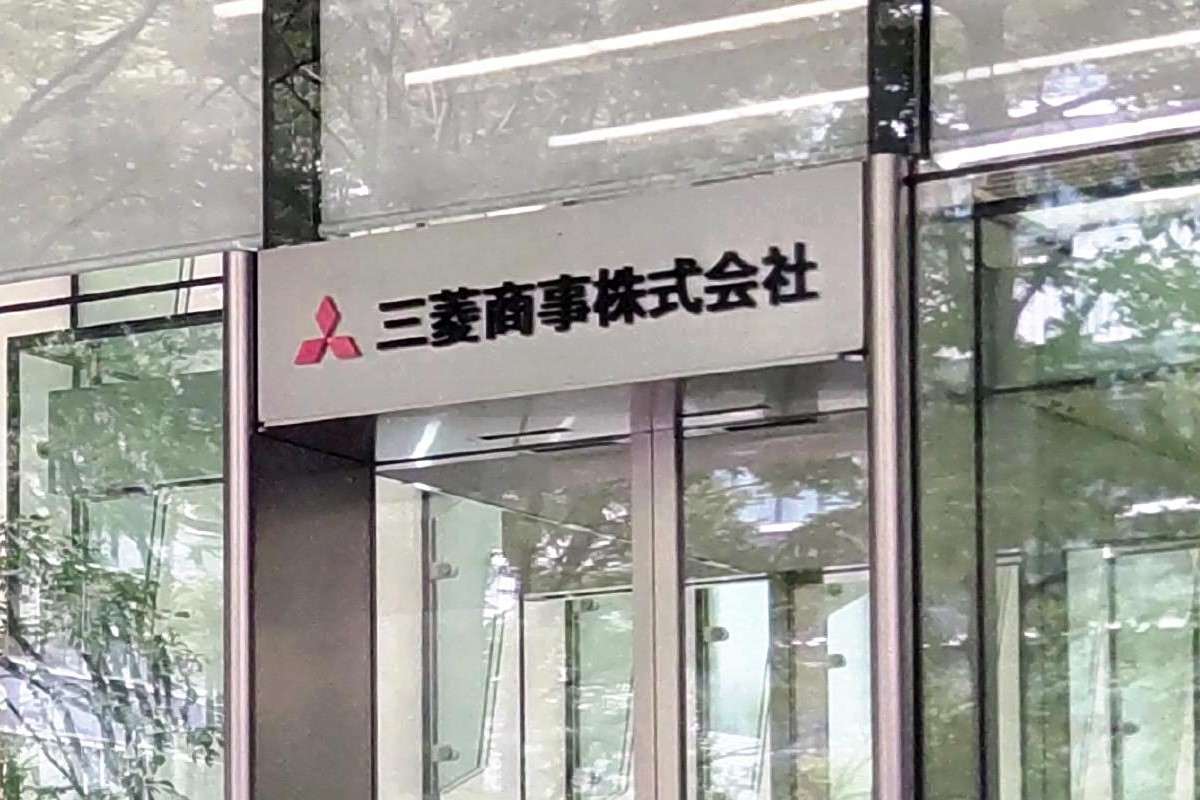
Mitsubishi Corporation
10:00 JST, August 29, 2025
The decision by a consortium headed by Mitsubishi Corp. not to proceed with the development of three domestic offshore wind power projects could force the government to review its strategy that aimed to expand the use of renewable energy sources.
The government plans to restart the tender process for the three projects as soon as this year, but it is difficult to tell whether offshore wind power generation will become more widely used.
The government approved the seventh Strategic Energy Plan at a Cabinet meeting in February. This plan set a target of increasing the share of renewable energy in the nation’s total energy supply mix from about 20% in fiscal 2023 to 40% to 50% in fiscal 2040. The plan called for boosting the proportion of electricity generated through wind power from 1.1% in fiscal 2023 to 4% to 8% in fiscal 2040. Expectations for offshore wind power generation are high in Japan, which is surrounded by sea, and the government had earmarked this power source as a trump card in the drive to expand the use of renewable energy.
In 2021, the Mitsubishi-led group won contracts for all three offshore wind projects in the government-run tender by placing bids much lower than other companies could offer. This was the first tranche of bids invited by the government for large-scale offshore wind power generation projects.
Mitsubishi and the other consortium members will forfeit a guarantee of about ¥20 billion to the government for withdrawing from the projects. These companies will be unable to participate in the scheduled fourth round of bidding.

Affected areas jolted
The economic feasibility of the consortium’s winning bid had raised eyebrows from the very beginning.
“It defies reason that they won the bid at a low price and now they’re pulling out because the projects won’t be profitable,” fumed a senior official at an electric power company that unsuccessfully took part in the tender.
Mitsubishi President Katsuya Nakanishi went to the industry ministry on Wednesday to explain the background of the consortium’s withdrawal from the projects. Economy, Trade and Industry Minister Yoji Muto wore a stern expression as he told Nakanishi that the consortium had “betrayed the expectations” of stakeholders across Japan and could “undermine society’s confidence” in offshore wind power overall.
The decision also sent shudders through areas where the offshore projects were due to be constructed.
“We had expected this project to revitalize the regional economy and also help spur tourism in the area, so the decision is regrettable,” said Takanobu Minato, mayor of Yurihonjo, Akita Prefecture. In a statement, Chiba Gov. Toshihito Kumagai said he wants the consortium to “thoroughly” fulfill its responsibility to explain the situation to affected localities.
Rising costs, weak yen
The focus likely will shift to a review of the government’s support measures for offshore wind power generation.
The cost of materials such as turbines reportedly accounts for a hefty proportion of the expenses involved in such projects. Even in Europe and the United States, which are said to be advanced in this field, a string of planned projects are being reviewed due to rising prices.
Japan does not have any domestic wind turbine makers, so it relies on imports. However, the weak yen also is imposing a strain in this regard. Other companies that submitted bids are suffering from declining earnings.
On Tuesday, the government presented a plan to extend the period for which sea areas can be used for offshore wind power generation from the current maximum of 30 years to 40 years, in principle. The government also is considering the application of a financial support system to subsidize construction, labor and other costs, and giving preferential treatment to companies that purchase this electricity.
“Japan has a small land area, so offshore wind power is an extremely important power source with the potential to greatly increase our renewable energy supply,” said Yasushi Ninomiya, an executive researcher at the Institute of Energy Economics, Japan. “Whether operators in this industry can be prevented from pulling out will significantly shape the future of the nation’s energy policies.”







Most Read
Popular articles in the past 24 hours
-
Business Hotels Expanding into Regional Areas in Japan, Aiming to...
-

Milano Cortina 2026: Japan Sees Leap in Olympic Performance Throu...
-

Milano Cortina 2026: Japan's Satoshi Furuno Places 4th in Men's S...
-

Milano Cortina 2026: Speed Skater Takagi Finishes 6th in the 1,50...
-
Osaka: 40 Ninjas Display Shuriken Throwing Skills at Japan Champi...
-

Fiji Defense Minister Hopes Japan Will Support Stabilization of P...
-
6 Injured at Naked Festival in Japan’s Okayama Prefecture; Police...
-

Milano Cortina 2026: Malinin Highlights Dangers of Social Media i...
Popular articles in the past week
-

Japan PM Takaichi’s Cabinet Resigns en Masse
-

Man Infected with Measles Reportedly Dined at Restaurant in Tokyo...
-

Sanae Takaichi Elected Prime Minister of Japan; Keeps All Cabinet...
-

Japan's Govt to Submit Road Map for Growth Strategy in March, PM ...
-

Bus Carrying 40 Passengers Catches Fire on Chuo Expressway; All E...
-

Milano Cortina 2026: Figure Skaters Riku Miura, Ryuichi Kihara Pa...
-
Japan, U.S. Name 3 Inaugural Investment Projects; Reached Agreeme...
-
U.S. Firm to Build Training Hub in Fukushima N-plant for Debris R...
Popular articles in the past month
-
Japan PM Takaichi’s Cabinet Resigns en Masse
-

Japan Institute to Use Domestic Commercial Optical Lattice Clock ...
-

Israeli Ambassador to Japan Speaks about Japan’s Role in the Reco...
-
Man Infected with Measles Reportedly Dined at Restaurant in Tokyo...
-

Videos Plagiarized, Reposted with False Subtitles Claiming ‘Ryuky...
-

Man Infected with Measles May Have Come in Contact with Many Peop...
-

Prudential Life Insurance Plans to Fully Compensate for Damages C...
-

Woman with Measles Visited Hospital in Tokyo Multiple Times Befor...
Top Articles in Business
-
Prudential Life Insurance Plans to Fully Compensate for Damages Caused by Fraudulent Actions Without Waiting for Third-Party Committee Review
-

Narita Airport, Startup in Japan Demonstrate Machine to Compress Clothes for Tourists to Prevent People from Abandoning Suitcases
-
Japan, U.S. Name 3 Inaugural Investment Projects; Reached Agreement After Considerable Difficulty
-

Toyota Motor Group Firm to Sell Clean Energy Greenhouses for Strawberries
-

SoftBank Launches AI Service for Call Centers That Converts Harsh Customer Voices into Softer Voices
JN ACCESS RANKING
-
Japan PM Takaichi’s Cabinet Resigns en Masse
-
Japan Institute to Use Domestic Commercial Optical Lattice Clock to Set Japan Standard Time
-
Israeli Ambassador to Japan Speaks about Japan’s Role in the Reconstruction of Gaza
-
Man Infected with Measles Reportedly Dined at Restaurant in Tokyo Station
-
Videos Plagiarized, Reposted with False Subtitles Claiming ‘Ryukyu Belongs to China’; Anti-China False Information Also Posted in Japan