
10:41 JST, August 26, 2022
A Tokyo-based nonprofit organization called the Intractable Disease Patient Support Association is suspected of having facilitated a kidney transplant that used a trafficked organ from a living donor overseas. The Yomiuri Shimbun asked an experts in the relevant legal and medical systems for their opinion on this matter.
In this installment, we hear from Naoshi Shinozaki, former executive director of the Japan Organ Transplant Network.
※※※
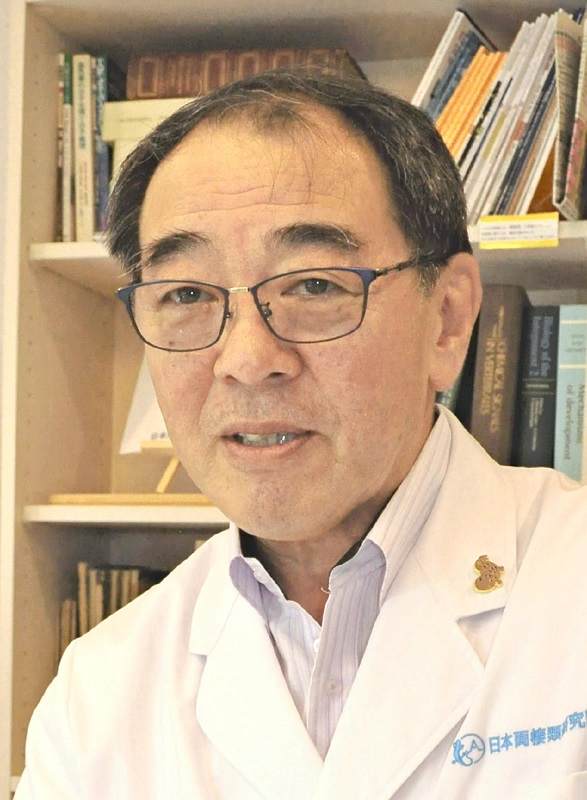
Naoshi Shinozaki
“Transplant tourism,” in which people from advanced countries pay to receive organs from donors in developing countries, has been strongly denounced in the “Declaration of Istanbul” adopted by the Transplantation Society in 2008, among others.
It is natural for a patient with a serious illness to want to live, but in principle, transplant organs should come from the recipient’s home country.
Japanese people receiving transplants in developing countries have been criticized internationally. At a summit held in the Vatican in 2017 to combat organ trafficking, it was reported that two Japanese people had purchased kidneys and received transplants overseas.
Organizations that mediate transplants in developing countries and elsewhere cannot be left unchecked. Necessary measures must be taken to protect Japan’s credibility.
We must do something about the shortage of donors in Japan. In 2017, only 0.61 people per million in Japan donated organs, far below the 38.03 per million in the United States and 37.4 in Spain.
Public awareness of the issue is not low. In a survey conducted by the Cabinet Office last year, about 40% of respondents said they wanted to donate their organs or were leaning toward doing so. That compares favorably with figures in the United States and other countries.
The problem lies in Japan’s system, which does not take such desires sufficiently into consideration. Japan has a “system error.”
The only way to improve the situation is to implement thorough procedures in which health care workers explain about organ donation to the families of the deceased and obtain their approval.
In Spain, for example, trained doctors are appointed as coordinators in hospitals across the country, working in collaboration with other medical staff to explain to bereaved families about the harvesting and transplantation of organs.
In Japan, too, it is essential to train, educate and raise the awareness of doctors. Preferential treatment should also be considered for doctors who provide the necessary explanations to bereaved families, in the form of reimbursing their medical and technical service fees.
We need to do everything we can to increase the number of transplants.
— Naoshi Shinozaki specializes in biology, and has served as director of the Tokyo Dental College Cornea Center, among other posts. He was involved in the establishment of the Organ Transplant Law.




Most Read
Popular articles in the past 24 hours
-

Toronto Blue Jays’ Kazuma Okamoto Blasts 1st HR of Spring
-
Japan Seeks to Counter China's Expanding Influence in Pacific by ...
-
Japan's Diet Begins Debate on Takaichi's Budget Plans, ‘Proactive...
-

Exhibition Featuring Yoshiharu Tsuge’s Manga World Underway in Ch...
-

CARTOON OF THE DAY (February 24)
-

Hanzomon Line Service Suspended between Kudanshita, Oshiage Stati...
-
Nikkei Rises Over 700 Points to Hit New Intraday High
-

Japan's Services Inflation Steady, Signals Wage-Driven Price Pres...
Popular articles in the past week
-

Producer Behind Pop Group XG Arrested for Cocaine Possession
-
Japan, U.S. Name 3 Inaugural Investment Projects; Reached Agreeme...
-

iPS Treatments Pass Key Milestone, but Broader Applications Far f...
-

Tokyo Skytree's Elevator Stops, Trapping 20 People; All Rescued (...
-

Director Naomi Kawase's New Film Explores Heart Transplants in Ja...
-

Japan’s Major Real Estate Firms Expanding Overseas Businesses to ...
-
Survey Shows False Election Info Perceived as True
-

Milano Cortina 2026: Japan’s Mari Fukada Wins Gold in Women’s Sno...
Popular articles in the past month
-
Producer Behind Pop Group XG Arrested for Cocaine Possession
-

Japan PM Takaichi’s Cabinet Resigns en Masse
-

Japan Institute to Use Domestic Commercial Optical Lattice Clock ...
-

Man Infected with Measles Reportedly Dined at Restaurant in Tokyo...
-

Israeli Ambassador to Japan Speaks about Japan’s Role in the Reco...
-

Videos Plagiarized, Reposted with False Subtitles Claiming ‘Ryuky...
-

Man Infected with Measles May Have Come in Contact with Many Peop...
-

Prudential Life Insurance Plans to Fully Compensate for Damages C...
Top Articles in Society
-
Producer Behind Pop Group XG Arrested for Cocaine Possession
-
Man Infected with Measles Reportedly Dined at Restaurant in Tokyo Station
-
Man Infected with Measles May Have Come in Contact with Many People in Tokyo, Went to Store, Restaurant Around When Symptoms Emerged
-

Woman with Measles Visited Hospital in Tokyo Multiple Times Before Being Diagnosed with Disease
-
Australian Woman Dies After Mishap on Ski Lift in Nagano Prefecture
JN ACCESS RANKING
-
Producer Behind Pop Group XG Arrested for Cocaine Possession
-
Japan PM Takaichi’s Cabinet Resigns en Masse
-
Man Infected with Measles Reportedly Dined at Restaurant in Tokyo Station
-
Israeli Ambassador to Japan Speaks about Japan’s Role in the Reconstruction of Gaza
-
Videos Plagiarized, Reposted with False Subtitles Claiming ‘Ryukyu Belongs to China’; Anti-China False Information Also Posted in Japan