
Impact on Japanese Economy Unclear with Trump’s New Tariffs, Shifts Causing Confusion in Business Circles
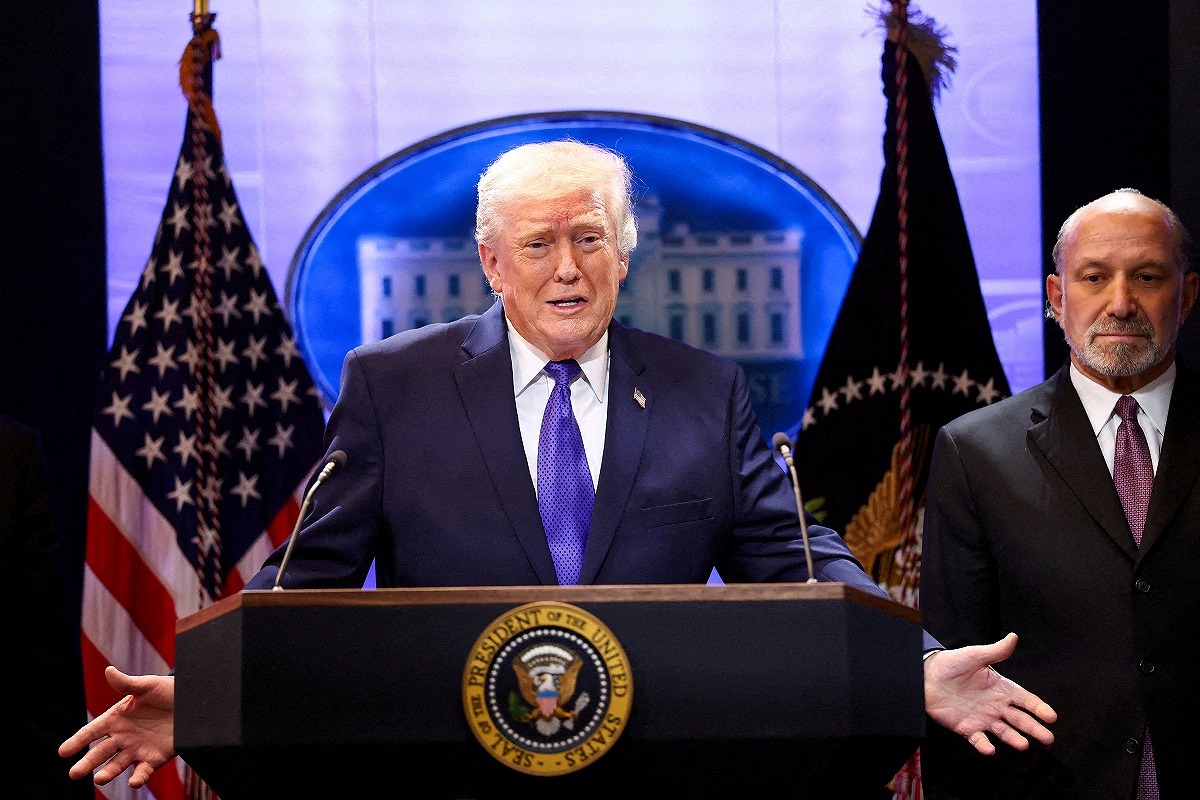
U.S. President Donald Trump, flanked by Secretary of Commerce Howard Lutnick speaks during a press briefing at the White House, following the Supreme Court’s ruling that Trump had exceeded his authority when he imposed tariffs, in Washington, D.C., U.S., February 20, 2026.
14:41 JST, February 25, 2026
U.S. President Donald Trump’s administration imposed a 10% additional tariff on Tuesday as a replacement for the “reciprocal” tariffs ruled illegal by the U.S. Supreme Court. Trump has also indicated he may raise the rate to 15%, leaving the outlook for the Japanese economy uncertain.
Japanese companies are rushing to gather information, including how to respond going forward and whether tariffs already paid will be refunded.
At a press conference on Friday, Trump stated the rate would be 10%, but he announced on a social media post on Saturday that the rate would be raised to 15% “immediately.” The timing of the implementation also remains unclear.
An executive at a major Japanese electronics company expressed confusion in an interview with The Yomiuri Shimbun on Tuesday, stating, “The situation keeps changing constantly based on Mr. Trump’s intentions, so there’s nothing we can do.”
Confusion also is spreading among other companies. TOTO Ltd., which enjoys strong sales of its bidet-like warm-water toilet seats in the United States, exports products from Thailand and Malaysia to the United States. The company said that it is “confirming what impact this will have.”
Citizen Watch Co., which has absorbed the impact of the reciprocal tariffs through such means as passing along costs in prices, said it will “closely monitor the situation.”
Annual burden of ¥2.9 trillion
The reciprocal tariffs were a measure taken based on the U.S. International Emergency Economic Powers Act. For Japan, items such as general-purpose machinery, electronic equipment and precision machinery were subject to 15% reciprocal tariffs.
Mizuho Securities Co. estimates that the burden on Japanese companies from the reciprocal tariffs amounts to about ¥2.9 trillion annually. However, the impact on the Japanese economy from the shift to the alternative measure remains unclear.
Japanese business circles remain deeply concerned. Yoshinobu Tsutsui, chairman of the Japan Business Federation (Keidanren), stated at a regular press conference on Tuesday that the ruling declaring the reciprocal tariffs illegal demonstrated “checks and balances at work.”
However, regarding the imposition of the alternative measure, he expressed concern that “predictability has decreased, leaving companies facing a highly unstable and uncertain situation.”
Movement toward lawsuits
Attention will also focus on whether importers will receive refunds for tariffs paid. Although this ruling could potentially cover over $175 billion (about ¥27 trillion) collected by the U.S. government, the Supreme Court did not rule on refunds. Even if refunds are approved, it could take time to make adjustments, among other procedures.
Some Japanese companies are considering filing lawsuits with the U.S. Court of International Trade (CIT) to seek refunds. An official in charge at Ushio Inc., which has already filed a lawsuit, stated, “We will respond according to the CIT’s ruling.”
Trump is expected to continue imposing de facto reciprocal tariffs, likely citing Section 301 of the Trade Act, which allows for sanctions against countries or regions found to engage in unfair trade practices. This additional tariff eliminates the burden-reduction measures agreed upon between Japan and the United States in summer last year, potentially raising rates above previous levels for some items.
Tsuyoshi Kawase, a professor of international economic law at Sophia University, who is an expert on trade policy, said, “For Japan, the fundamental premise is to negotiate to prevent further tariff hikes, even if the legal basis changes.”


Related Tags




Most Read
Popular articles in the past 24 hours
-

Toronto Blue Jays’ Kazuma Okamoto Blasts 1st HR of Spring
-
Japan Seeks to Counter China's Expanding Influence in Pacific by ...
-
Japan's Diet Begins Debate on Takaichi's Budget Plans, ‘Proactive...
-
Exhibition Featuring Yoshiharu Tsuge’s Manga World Underway in Ch...
-

CARTOON OF THE DAY (February 24)
-

Hanzomon Line Service Suspended between Kudanshita, Oshiage Stati...
-
Nikkei Rises Over 700 Points to Hit New Intraday High
-
Japan's Services Inflation Steady, Signals Wage-Driven Price Pres...
Popular articles in the past week
-

Producer Behind Pop Group XG Arrested for Cocaine Possession
-

Japan, U.S. Name 3 Inaugural Investment Projects; Reached Agreeme...
-

iPS Treatments Pass Key Milestone, but Broader Applications Far f...
-
Tokyo Skytree's Elevator Stops, Trapping 20 People; All Rescued (...
-

Director Naomi Kawase's New Film Explores Heart Transplants in Ja...
-

Japan’s Major Real Estate Firms Expanding Overseas Businesses to ...
-
Survey Shows False Election Info Perceived as True
-

Milano Cortina 2026: Japan’s Mari Fukada Wins Gold in Women’s Sno...
Popular articles in the past month
-
Producer Behind Pop Group XG Arrested for Cocaine Possession
-

Japan PM Takaichi’s Cabinet Resigns en Masse
-

Japan Institute to Use Domestic Commercial Optical Lattice Clock ...
-

Man Infected with Measles Reportedly Dined at Restaurant in Tokyo...
-

Israeli Ambassador to Japan Speaks about Japan’s Role in the Reco...
-

Videos Plagiarized, Reposted with False Subtitles Claiming ‘Ryuky...
-

Man Infected with Measles May Have Come in Contact with Many Peop...
-

Prudential Life Insurance Plans to Fully Compensate for Damages C...
Top Articles in Business
-
Prudential Life Insurance Plans to Fully Compensate for Damages Caused by Fraudulent Actions Without Waiting for Third-Party Committee Review
-
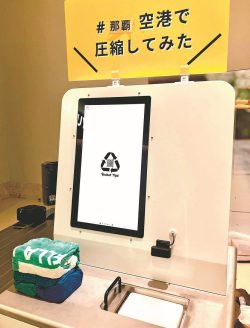
Narita Airport, Startup in Japan Demonstrate Machine to Compress Clothes for Tourists to Prevent People from Abandoning Suitcases
-
Japan, U.S. Name 3 Inaugural Investment Projects; Reached Agreement After Considerable Difficulty
-
Toyota Motor Group Firm to Sell Clean Energy Greenhouses for Strawberries
-

SoftBank Launches AI Service for Call Centers That Converts Harsh Customer Voices into Softer Voices
JN ACCESS RANKING
-
Producer Behind Pop Group XG Arrested for Cocaine Possession
-
Japan PM Takaichi’s Cabinet Resigns en Masse
-
Man Infected with Measles Reportedly Dined at Restaurant in Tokyo Station
-
Israeli Ambassador to Japan Speaks about Japan’s Role in the Reconstruction of Gaza
-
Videos Plagiarized, Reposted with False Subtitles Claiming ‘Ryukyu Belongs to China’; Anti-China False Information Also Posted in Japan