
Japanese Prime Minister Sanae Takaichi to Dissolve Lower House for Feb. 8 Snap Election
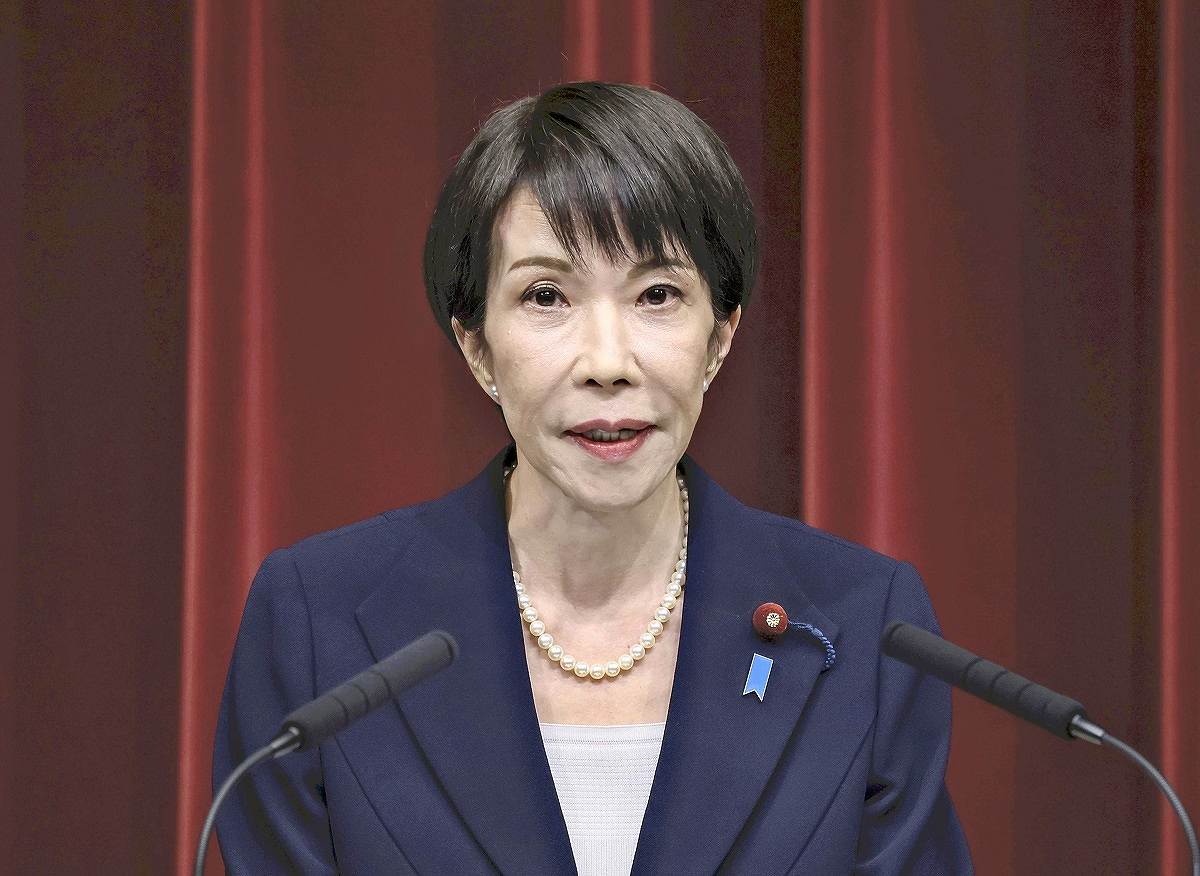
Prime Minister Sanae Takaichi speaks during a press conference at the Prime Minister’s Office on Monday.
19:16 JST, January 19, 2026
Prime Minister Sanae Takaichi will dissolve the House of Representatives on Friday for a Feb. 8 snap election to seek the public’s mandate for her Liberal Democratic Party forming a coalition with the Japan Innovation Party, she announced Monday.
“I think it is time for the people, who are vested with sovereign power, to decide on whether I should be prime minister,” Takaichi said.
She said official campaigning will start on Jan. 27, and candidacies will be filed on that day, with the election held on Feb. 8. It will be the first general election since the LDP and the JIP formed a coalition in October.
The period between the dissolution and election day will be just 16 days, the shortest for a lower house election since the end of World War II. Parties have sped up their selection of prospective candidates and formulation of campaign pledges for the short campaign period.
Takaichi said during the press conference that the threshold for victory is the ruling coalition securing a majority in the lower house, which would mean winning at least 233 seats in the 465-seat lower chamber of the Diet.
In the previous lower house election held under then Prime Minister Shigeru Ishiba in October 2024, the LDP-Komeito ruling coalition suffered a crushing defeat, with their combined number of seats falling below a majority.
In the upcoming general election, it is likely the Centrist Reform Alliance — newly formed between the Constitutional Democratic Party of Japan and Komeito — will lead the opposition challenge against the LDP-JIP coalition.
The main point of contention during campaigning will likely be measures against rising prices, an issue that voters are keenly interested in. Some parties are advocating measures against high prices such as the lowering of the consumption tax.
Debates over Takaichi’s “responsible and proactive public finance” approach on fiscal management are likely to intensify during campaigning. So are those regarding the issue of enhancing the nation’s defense capabilities by pushing ahead with the revising of the National Defense Strategy and two other security-related documents.
With the lower house election being held in February, the fiscal 2026 budget is unlikely to be passed by the end of fiscal 2025. The government and ruling parties intend to address this issue by compiling a stopgap budget.
Opposition parties are criticizing both the government and ruling parties for creating a political vacuum. “[Takaichi] takes the lives of people lightly, and there is no just cause [for holding a general election],” CDPJ leader Yoshihiko Noda said.





Most Read
Popular articles in the past 24 hours
-

Kesennuma, Miyagi Pref., Locals Raise Carp Streamers as Symbol of...
-

Iran Situation: Significance of Rule of Law Must Be Conveyed
-

Toyota Advancing Plant-Based Biofuel Development in Fukushima Tow...
-

Trump Says Iran Had a New Site for Developing Nuclear Weapons
-

2 People Reportedly Found on Mt. Fuji; Hiking Trail Currently Clo...
-
CARTOON OF THE DAY (March 10)
-

Rapeseed Flowers Reach Peak Viewing Period at Tokyo's Showa Kinen...
-

Japan's TEPCO to Raise Electricity Rates for Corporations in Apri...
Popular articles in the past week
-

Ibaraki Pref.'s 1st Foreign Bus Driver Hired in Tsukuba
-

Amid Strait of Hormuz Blockade, Shipping Companies Scramble to Ge...
-
Govt to Utilize ODA for Ensuring Economic Security; Securing Ener...
-
Japan Govt Survey Finds Just 10% of Workers Want Working Hours to...
-

Japan's 2nd Round of U.S. Investments May Be Worth Over $100 Bill...
-

Imperial Family Watches World Baseball Classic Game Against Austr...
-

Nippon Life Insurance's U.S. Arm Sues OpenAI Over Legal Assistanc...
-

Beckoning Cats Get Makeover to Fit Modern Lifestyles with Sleek D...
Popular articles in the past month
-

Producer Behind Pop Group XG Arrested for Cocaine Possession
-

Japan PM Takaichi’s Cabinet Resigns en Masse
-

Man Infected with Measles Reportedly Dined at Restaurant in Tokyo...
-

Videos Plagiarized, Reposted with False Subtitles Claiming ‘Ryuky...
-

iPS Treatments Pass Key Milestone, but Broader Applications Far f...
-

Sanae Takaichi Elected Prime Minister of Japan; Keeps All Cabinet...
-

Nepal Bus Crash Kills 19 People, Injures 25 Including One Japanes...
-

South Korea Tightens Rules on Foreigners Buying Homes in Seoul Me...
Top Articles in Politics
-
Japan PM Takaichi’s Cabinet Resigns en Masse
-
Sanae Takaichi Elected Prime Minister of Japan; Keeps All Cabinet Appointees from Previous Term
-

Japan’s Govt to Submit Road Map for Growth Strategy in March, PM Takaichi to Announce in Upcoming Policy Speech
-
CRA Leadership Election Will Center on Party Rebuilding; Lower House Defeat Leaves Divisions among Former CDPJ, Komeito Members
-
LDP Begins Training New Lawmakers to Avoid Scandal, Gaffes; Historic Victory in Latest Election Heightens Focus on Party
JN ACCESS RANKING
-
Producer Behind Pop Group XG Arrested for Cocaine Possession
-
Japan PM Takaichi’s Cabinet Resigns en Masse
-
Man Infected with Measles Reportedly Dined at Restaurant in Tokyo Station
-
Videos Plagiarized, Reposted with False Subtitles Claiming ‘Ryukyu Belongs to China’; Anti-China False Information Also Posted in Japan
-
iPS Treatments Pass Key Milestone, but Broader Applications Far from Guaranteed