
Japan Tourism / Kanazawa Oden Packed With Locally Sourced Ingredients; Residents, Tourists Alike Enjoy Broth-Absorbing Snow Crab
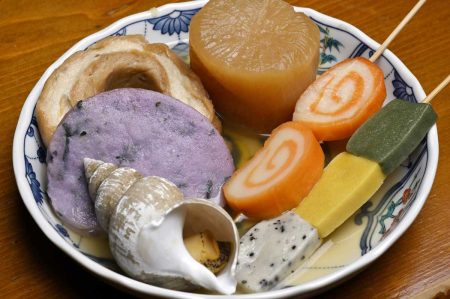
Various locally produced components are used at Oden Kikuichi, one of the oldest oden restaurants in Kanazawa.

13:54 JST, October 28, 2025
KANAZAWA — When autumn rolls around, people start to long for food that warms both body and soul. One of the most popular choices is oden stew, and one of the top places to eat it is Kanazawa, the city that is said to have the most oden restaurants per capita in Japan.
I visited three oden restaurants in the Korinbo and Katamachi districts near the Kanazawa municipal government building. Both of these areas are home to many good oden eateries.
One of the distinctive characteristics of Kanazawa oden is its broth. It’s made from such ingredients as kelp, dried bonito flakes and dried sardines, and also incorporates locally produced soy sauce such as Ono soy sauce.

Mieko Miyazaki, front, the manager of Oden Kikuichi, and her daughter Tomoko start to prepare oden at 10 a.m. every day.
The broth is light in color and taste, but the flavors from various ingredients seeps into the broth. It has a rich, slightly sweet flavor and is called the “dashi broth that you can drink up.”
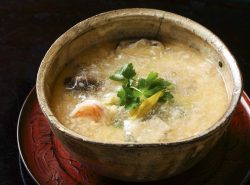
Miyuki Honten, an oden izakaya restaurant located off National Route 157, pays particular attention to its broth. The restaurant’s egg soup uses the oden broth without diluting it, and I was able to drink it all up like a soup.
A typical element in Kanazawa oden is kani-men, which literally means “crab face” and is a winter delicacy in the city. The shell of a female snow crab called the Kobako crab is stuffed with crab meat, sotoko roe and uchiko immature roe.
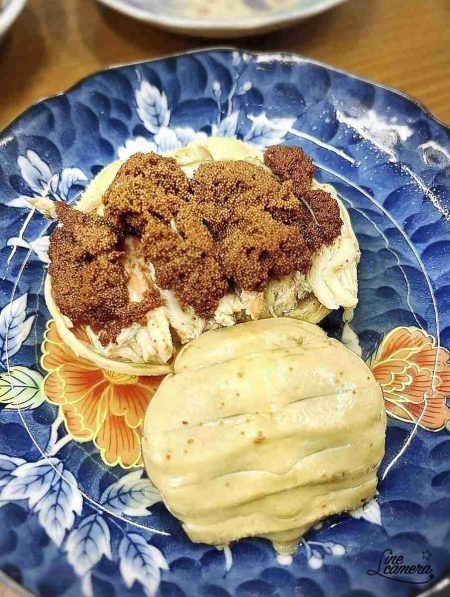
Kikuichi’s kani-men, or “crab face,” is made with a lot of time and care.
“The ingredients are stuffed into the shell by hand and nothing is added to hold them together,” said Mieko Miyazaki, manager of Oden Kikuichi, which was the first restaurant to make kani-men.
Kani-men is very popular among both local residents and tourists because it lets them enjoy the luxurious delicacy of an entire crab soaked in the dashi broth. Pouring hot sake into the shell after eating the ingredients is another way to enjoy it.
A wide variety of other oden components also use locally produced ingredients, such as Japanese ivory shells, donut-shaped kuruma-fu wheat gluten and ganmodoki fried tofu fritters that are called “hirozu” in the Kanazawa dialect.
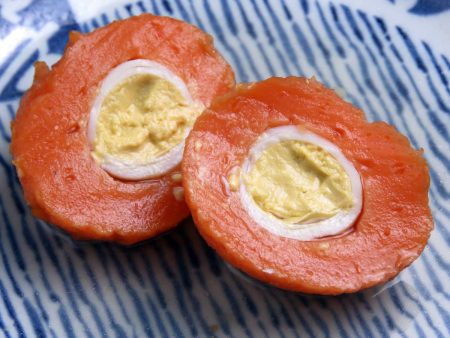
Akadama, the specialty that gives the restaurant its name
Oden with Kaga vegetables produced in Kanazawa is also available, such as Gensuke daikon radish and Kanazawa garland chrysanthemums, both of which are in season from autumn to winter.
Another unusual and popular element is akadama (literally “red ball”), a quail egg wrapped in a paste colored with red bell peppers that is offered at the Akadama Honten restaurant.
Japan Tourism is presented in collaboration with Ryoko Yomiuri Publication, which publishes Ryoko Yomiuri, a monthly travel magazine. If you are interested in stories click here. .




Most Read
Most read in the last 24 hours
-

Most Serious Cyberattacks against the UK Now from Russia, Iran an...
-
Iran Fires on 3 Ships in the Strait of Hormuz as US Maintains Blo...
-

Trump Envoy Seeks to Replace Iran with Italy in Upcoming World Cu...
-

EU Close to Approving a $106B Loan for Ukraine after Months of De...
-

U.S. Extends Ceasefire: Lifting Blockades on Strait is Urgent for...
-

White Sox Rookie Munetaka Murakami Ties MLB Rookie Record with HR...
-

Navy Secretary John Phelan Is Leaving in Latest Departure of a To...
-

Airline Company Lufthansa Cuts 20,000 Flights as War Squeezes Fue...
Most read in the last 7 days
-
Earthquake Hits Japan's Tohoku Region; 3-meter Tsunami Warning Is...
-

Trump Extends the Ceasefire with Iran but Keeps the Blockade
-

Olympic Gold Medal-Winning Figure Skaters Riku-Ryu Announce Retir...
-

China, South Korea Object to Japanese PM Takaichi's Ritual Offeri...
-

India's Arms Indigenization Quest for Self-Reliance / New Delhi S...
-
Japan to Ban Use of Portable Chargers on Airplanes from April 24,...
-
¥1,000 Coins to Be Issued to Mark Anniversary of Beginning of Jap...
-
Most Serious Cyberattacks against the UK Now from Russia, Iran an...
Most read in the last 30 days
-
Earthquake Hits Japan's Tohoku Region; 3-meter Tsunami Warning Is...
-
Police Find Child's Shoe During Search for Missing Boy in Nantan,...
-
Body Found in Nantan, Kyoto Prefecture, During Search for 11-Year...
-
Cherry Blossoms, Rapeseed Flowers Perform Colorful ‘Duet’ in Niig...
-
Trump Extends the Ceasefire with Iran but Keeps the Blockade
-
Olympic Gold Medal-Winning Figure Skaters Riku-Ryu Announce Retir...
-
Nori Prices Surge in Japan Due to Poor Seaweed Production Amid Ri...
-
Japanese Prime Minister Takaichi Speaks to Pakistani Prime Minist...
Top Articles in Features
-
Cherry Blossoms in Full Bloom Draw Crowds in Sendai, Miyagi Pref.; Aquarium Creates Underwater ‘Cherry Blossom Viewing’ Show
-
Cherry Blossom Viewing Season at Peak in Japan’s Kanazawa
-
Cherry Blossoms, Tulips, Snow-Capped Peaks Create Picturesque Scene in Toyama Pref., Japan
-
Cherry Blossom Viewers Enjoy Picnic Under the Trees in Full Bloom in Famous Osaka Spot
-
Cherry Blossom View in Front of Shinkansen Bullet Trains Attracting Visitors in Nagasaki Pref.
JN ACCESS RANKING
-
Earthquake Hits Japan’s Tohoku Region; 3-meter Tsunami Warning Issued (Update 1)
-
Police Find Child’s Shoe During Search for Missing Boy in Nantan, Kyoto Prefecture
-
Body Found in Nantan, Kyoto Prefecture, During Search for 11-Year-Old Boy in Area (Update 1)
-
Cherry Blossoms, Rapeseed Flowers Perform Colorful ‘Duet’ in Niigata
-
Trump Extends the Ceasefire with Iran but Keeps the Blockade
Most read in the last 24 hours
-
Most Serious Cyberattacks against the UK Now from Russia, Iran an...
-
Iran Fires on 3 Ships in the Strait of Hormuz as US Maintains Blo...
-
Trump Envoy Seeks to Replace Iran with Italy in Upcoming World Cu...
-
EU Close to Approving a $106B Loan for Ukraine after Months of De...
-
U.S. Extends Ceasefire: Lifting Blockades on Strait is Urgent for...
Most read in the last 7 days
-
Earthquake Hits Japan's Tohoku Region; 3-meter Tsunami Warning Is...
-
Trump Extends the Ceasefire with Iran but Keeps the Blockade
-
Olympic Gold Medal-Winning Figure Skaters Riku-Ryu Announce Retir...
-
China, South Korea Object to Japanese PM Takaichi's Ritual Offeri...
-
India's Arms Indigenization Quest for Self-Reliance / New Delhi S...
Most read in the last 30 days
-
Earthquake Hits Japan's Tohoku Region; 3-meter Tsunami Warning Is...
-
Police Find Child's Shoe During Search for Missing Boy in Nantan,...
-
Body Found in Nantan, Kyoto Prefecture, During Search for 11-Year...
-
Cherry Blossoms, Rapeseed Flowers Perform Colorful ‘Duet’ in Niig...
-
Trump Extends the Ceasefire with Iran but Keeps the Blockade