
Japan Set to Unveil Roadmaps to Help Central Asian Nations Shift From Coal, Gas to Clean Energy
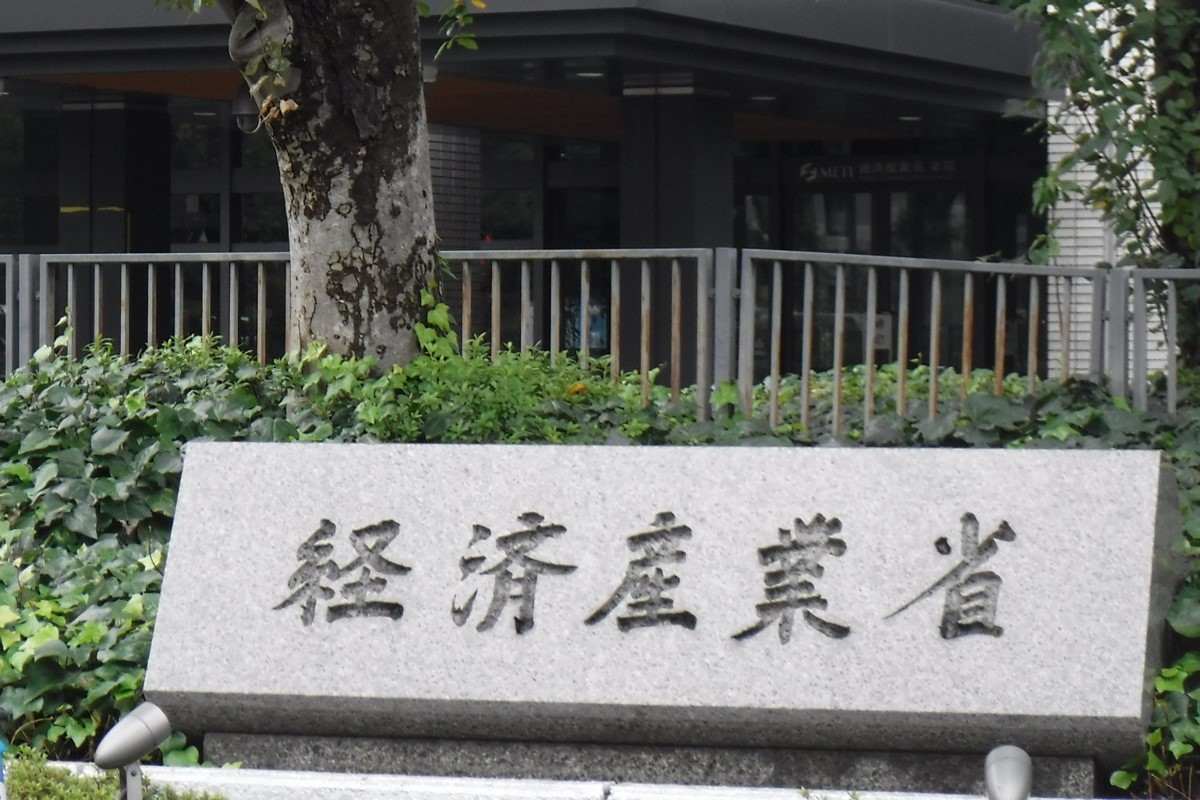
The Economy, Trade and Industry Ministry building in Chiyoda Ward, Tokyo.
1:00 JST, September 15, 2025
The Economy, Trade and Industry Ministry has decided to present roadmaps to all five Central Asian nations to support their decarbonization efforts. These roadmaps will include policy proposals tailored to each country’s power generation mix, such as improving the efficiency of thermal and hydropower plants, and introducing nuclear power plants.
By strengthening cooperation with Japanese companies such as Mitsubishi Heavy Industries, which excels in high-efficiency gas turbine technology, and domestic electric utilities, Japan aims to deepen partnerships with these nations while countering the influence of China and Russia, which wield significant sway in the region.
On Tuesday, Economy, Trade and Industry Minister Yoji Muto will share roadmaps with the five countries during the Ministerial Economic and Energy “Central Asia plus Japan” Dialogue, scheduled to be held in Tokyo on Tuesday. The roadmaps will outline transition scenarios toward an optimal power supply mix, aligned with each nation’s timelines for achieving virtually net-zero greenhouse gas emissions.
Kazakhstan relies heavily on coal, while Uzbekistan and Turkmenistan depend mainly on natural gas for thermal power generation, making CO2 emission reduction a pressing issue. Kyrgyzstan and Tajikistan primarily use hydropower, but during the winter, when water resources freeze, they must rely on coal-fired power.
To address these challenges, Japan plans to deploy its companies’ advanced technologies as part of the roadmaps. Mitsubishi Heavy Industries is recognized for its expertise in CO2 capture from exhaust gases and nuclear plant development. Panasonic Holdings Corps. specializes in high-efficiency heat pumps with excellent energy saving performance.
To make greater use of the abundant hydropower of Kyrgyzstan and Tajikistan, Japan will propose the development of cross-border power transmission and distribution networks. Tokyo Electric Power Company Holdings, Inc. and Kansai Electric Power Co., which both possess strong know-how in stable electricity supply, have expressed interest in expanding into Central Asia.
Although Central Asia maintains strong economic ties with China and Russia, the region’s reliance on them for energy carries significant risks, and it is seeking to develop technologies with alternative partners.






Most Read
Popular articles in the past 24 hours
-

Voters Using AI to Choose Candidates in Japan's Upcoming General ...
-

Japan's Snow-Clad Beauty: Camellia Flowers Seen in Winter Bloom a...
-
Monkey Strikes Junior High School Girl from Behind in Japan's Yam...
-
Genichiro Inokuma's Mural in Ueno Station That Gave Hope in Postw...
-

Senior Japanese Citizens Return to University to Gain Knowledge, ...
-

Foreign and Security Policy: Political Parties Must Discuss How T...
-
Heavy Snow Linked to 30 Deaths across Japan since Late Jan.; JMA ...
-

Tokyo Police Arrest Head of Resignation Assistance Firm
Popular articles in the past week
-

Japan Institute to Use Domestic Commercial Optical Lattice Clock ...
-
Australian Woman Dies After Mishap on Ski Lift in Nagano Prefectu...
-
Foreign Snowboarder in Serious Condition After Hanging in Midair ...
-
Chinese Embassy in Japan Reiterates Call for Chinese People to Re...
-

Narita Airport, Startup in Japan Demonstrate Machine to Compress ...
-

Toyota Motor Group Firm to Sell Clean Energy Greenhouses for Stra...
-

Sakie Yokota, Last Surviving Parent of a North Korea Abductee, Ur...
-

Beer Yeast Helps Save Labor, Water Use in Growing Rice; Govt Hope...
Popular articles in the past month
-

Univ. in Japan, Tokyo-Based Startup to Develop Satellite for Disa...
-
JAL, ANA Cancel Flights During 3-day Holiday Weekend due to Blizz...
-
China Confirmed to Be Operating Drilling Vessel Near Japan-China ...
-

China Eyes Rare Earth Foothold in Malaysia to Maintain Dominance,...
-
M6.2 Earthquake Hits Japan's Tottori, Shimane Prefectures; No Tsu...
-
Japan Institute to Use Domestic Commercial Optical Lattice Clock ...
-

Japan, Qatar Ministers Agree on Need for Stable Energy Supplies; ...
-

Japan, Italy to Boost LNG Cooperation; Aimed at Diversifying Japa...
Top Articles in Society
-
JAL, ANA Cancel Flights During 3-day Holiday Weekend due to Blizzard
-
Record-Breaking Snow Cripples Public Transport in Hokkaido; 7,000 People Stay Overnight at New Chitose Airport
-
Australian Woman Dies After Mishap on Ski Lift in Nagano Prefecture
-
Foreign Snowboarder in Serious Condition After Hanging in Midair from Chairlift in Nagano Prefecture
-

Train Services in Tokyo Resume Following Power Outage That Suspended Yamanote, Keihin-Tohoku Lines (Update 4)
JN ACCESS RANKING
-
Univ. in Japan, Tokyo-Based Startup to Develop Satellite for Disaster Prevention Measures, Bears
-
JAL, ANA Cancel Flights During 3-day Holiday Weekend due to Blizzard
-
China Confirmed to Be Operating Drilling Vessel Near Japan-China Median Line
-
China Eyes Rare Earth Foothold in Malaysia to Maintain Dominance, Counter Japan, U.S.
-
Japan Institute to Use Domestic Commercial Optical Lattice Clock to Set Japan Standard Time