
Japan Govt to Share Well Info to Promote Use During Disasters, Aims for Alternative Water Sources in Every Municipality
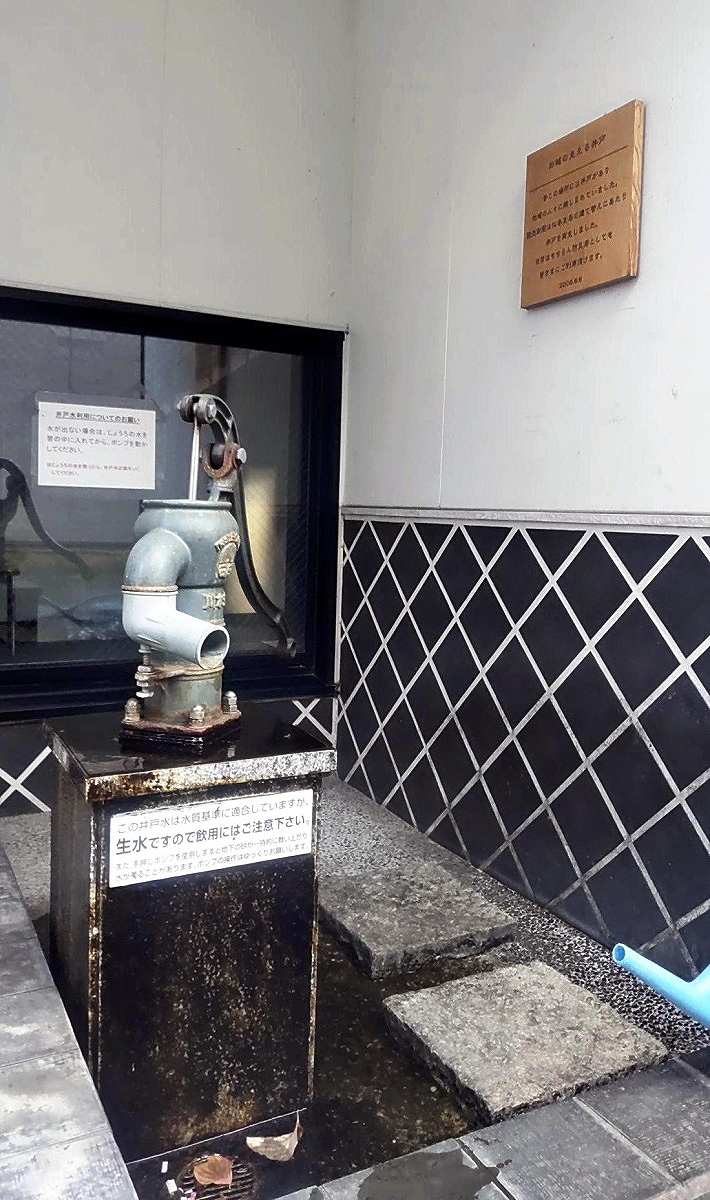
TA pump for a disaster well located on private property is seen in Matsumoto, Nagano Prefecture.
17:05 JST, August 25, 2025
The government has begun considering a plan to disclose the locations of about 80,000 wells to local governments across the country to promote their widespread use in the event of disaster, it has been learned.
This initiative is based on lessons learned from the Noto Peninsula Earthquake in January last year, which caused prolonged disruption to water supplies, and aims for the active utilization of underground water resources. With this move, the government aims to meet its goal of all municipalities having alternative water sources for use during disasters.
The information to be disclosed comes from a database of wells with a depth of at least 30 meters compiled by the Land, Infrastructure, Transport and Tourism Ministry. The database contains information on about 80,000 wells drilled nationwide since fiscal 1952, including their exact locations, flow rates and water quality. However, since the government has not conducted surveys of these locations on a regular basis, the database lists wells that no longer exist.
Many of the wells on the database are located on private property, so detailed addresses are not currently disclosed publicly. The central government therefore aims to resolve such issues as the protection of private information before sharing details of the wells with local governments by the end of the fiscal year.
Disaster wells are those registered by local governments for use during disasters, and some are owned by individuals and business entities. In the event of an earthquake or other disaster causing a large-scale water outage, these wells can be used as alternative water sources.
Following the Noto Peninsula Earthquake, water from wells and springs was used as it took time to restore the regular water supply. This situation highlighted the usefulness of such water sources and prompted the medium-term plan for disaster resilience, approved by the Cabinet in June, in which was set the goal of having alternative water sources in all municipalities by fiscal 2030.
According to an initial survey conducted by the central government in November and December last year, only 473 of the 1,741 municipalities nationwide have disaster wells, and only 349 municipalities had residents and business entities register their wells. A key to ensuring there are disaster wells nationwide therefore lies in finding and utilizing these privately owned wells.
The government will also promote the installation of new disaster wells. It plans to revise its guidelines for the use of underground water in the event of disaster by the end of the fiscal year and disseminate easy-to-understand information on the procedures for installing new wells to local governments.






Most Read
Popular articles in the past 24 hours
-

Voters Using AI to Choose Candidates in Japan's Upcoming General ...
-
Japan's Snow-Clad Beauty: Camellia Flowers Seen in Winter Bloom a...
-
Monkey Strikes Junior High School Girl from Behind in Japan's Yam...
-
Genichiro Inokuma's Mural in Ueno Station That Gave Hope in Postw...
-

Senior Japanese Citizens Return to University to Gain Knowledge, ...
-

Foreign and Security Policy: Political Parties Must Discuss How T...
-
Heavy Snow Linked to 30 Deaths across Japan since Late Jan.; JMA ...
-

Tokyo Police Arrest Head of Resignation Assistance Firm
Popular articles in the past week
-

Japan Institute to Use Domestic Commercial Optical Lattice Clock ...
-
Australian Woman Dies After Mishap on Ski Lift in Nagano Prefectu...
-
Foreign Snowboarder in Serious Condition After Hanging in Midair ...
-
Chinese Embassy in Japan Reiterates Call for Chinese People to Re...
-
Narita Airport, Startup in Japan Demonstrate Machine to Compress ...
-

Toyota Motor Group Firm to Sell Clean Energy Greenhouses for Stra...
-

Sakie Yokota, Last Surviving Parent of a North Korea Abductee, Ur...
-
Beer Yeast Helps Save Labor, Water Use in Growing Rice; Govt Hope...
Popular articles in the past month
-
Univ. in Japan, Tokyo-Based Startup to Develop Satellite for Disa...
-
JAL, ANA Cancel Flights During 3-day Holiday Weekend due to Blizz...
-
China Confirmed to Be Operating Drilling Vessel Near Japan-China ...
-
China Eyes Rare Earth Foothold in Malaysia to Maintain Dominance,...
-
M6.2 Earthquake Hits Japan's Tottori, Shimane Prefectures; No Tsu...
-
Japan Institute to Use Domestic Commercial Optical Lattice Clock ...
-

Japan, Qatar Ministers Agree on Need for Stable Energy Supplies; ...
-

Japan, Italy to Boost LNG Cooperation; Aimed at Diversifying Japa...
Top Articles in Society
-
JAL, ANA Cancel Flights During 3-day Holiday Weekend due to Blizzard
-
Record-Breaking Snow Cripples Public Transport in Hokkaido; 7,000 People Stay Overnight at New Chitose Airport
-
Australian Woman Dies After Mishap on Ski Lift in Nagano Prefecture
-
Foreign Snowboarder in Serious Condition After Hanging in Midair from Chairlift in Nagano Prefecture
-
Train Services in Tokyo Resume Following Power Outage That Suspended Yamanote, Keihin-Tohoku Lines (Update 4)
JN ACCESS RANKING
-
Univ. in Japan, Tokyo-Based Startup to Develop Satellite for Disaster Prevention Measures, Bears
-
JAL, ANA Cancel Flights During 3-day Holiday Weekend due to Blizzard
-
China Confirmed to Be Operating Drilling Vessel Near Japan-China Median Line
-
China Eyes Rare Earth Foothold in Malaysia to Maintain Dominance, Counter Japan, U.S.
-
Japan Institute to Use Domestic Commercial Optical Lattice Clock to Set Japan Standard Time