
Record-Low Reading Interest, Even as Book-Loving Students Achieve Higher Scores; Number of Books at Home Also Factor
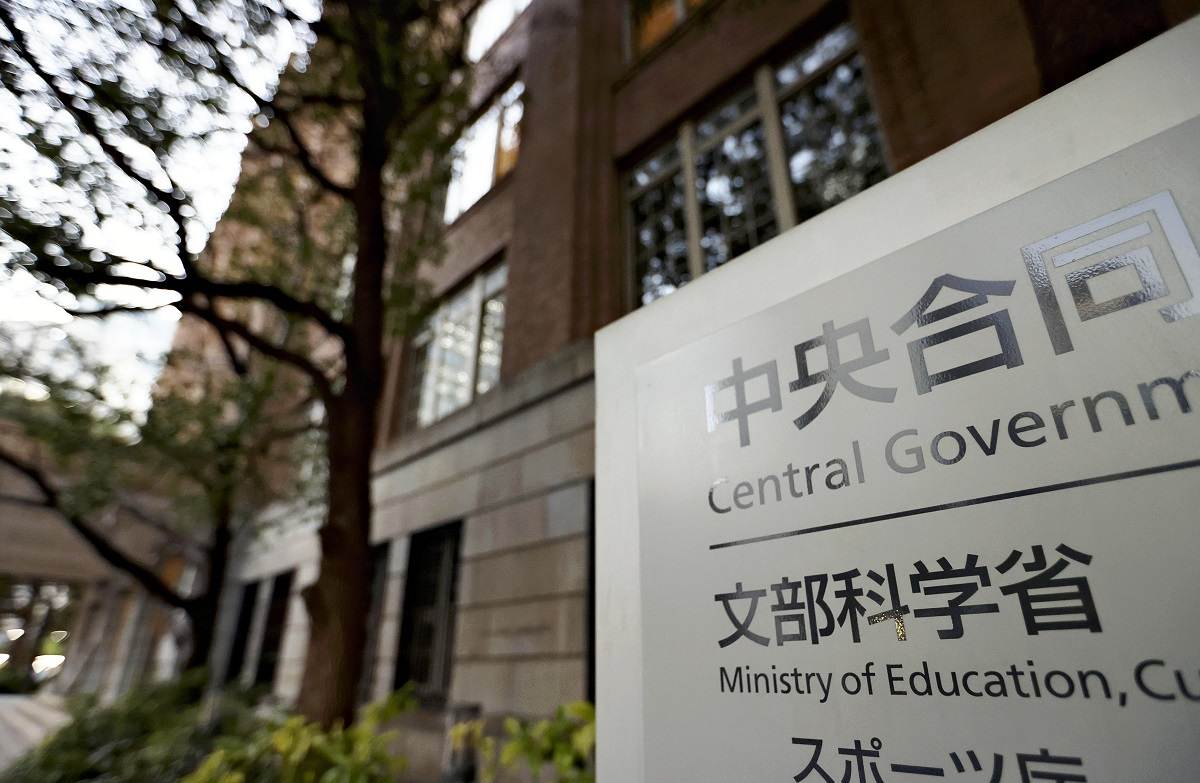
The Education, Culture, Sports, Science and Technology Ministry
1:00 JST, August 2, 2025
Students who enjoy reading tend to score better on tests and their performance rises with the number of books they have at home, according to analysis by the Education, Culture, Sports, Science and Technology Ministry released on Thursday.
Many students were also found to struggle with constructed-response questions, which ask them to present evidence and organize their ideas in writing.
The ministry combined questionnaire responses with results from the national assessment of academic ability for sixth grade elementary school students and third year junior high school students conducted in fiscal 2025.
Pupils who in the questionnaire section answered “I like reading” outperformed their peers in all six tested subjects — elementary- and junior high-level Japanese; arithmetic or mathematics; and science. For example, the overall average correct-answer rate in elementary Japanese was 67.0%. That rate rose to 73.6% for children who like reading, while it fell to 56.2% for those who do not like reading, creating a gap of roughly 17 percentage points.
The share of sixth graders who said they like reading declined to 36.6%, a drop of 5.5 points from fiscal 2024. Among third year junior high school students, the figure fell 7.6 points to 30.4%. Both percentages are the lowest since the survey began.
Achievement also improved in step with the number of books the students have at their homes. In elementary Japanese, a test with 14 questions, students with 0–25 books at home answered an average of 8.5 questions correctly, those with 26–100 books averaged 9.7 correct answers, and those with 101 or more books averaged 10.2.
“Reading forms the foundation that supports language activities in every subject, so it is essential to help children feel close to books,” a ministry official said.
Detailed item analysis for junior high-level Japanese pointed out that many students “have difficulty writing sentences that clearly convey their own ideas while presenting supporting evidence.”
The ministry will release the survey results in three installments this fiscal year. The first, on July 14, provided average correct answer rates by subject. The release announced on Thursday is the second. Average scores of prefectures and cities designated by government ordinance are expected to be published around autumn.







Most Read
Popular articles in the past 24 hours
-

Japan's Snow-Clad Beauty: Camellia Flowers Seen in Winter Bloom a...
-

Monkey Strikes Junior High School Girl from Behind in Japan's Yam...
-

Foreign and Security Policy: Political Parties Must Discuss How T...
-
Senior Japanese Citizens Return to University to Gain Knowledge, ...
-
Heavy Snow Linked to 30 Deaths across Japan since Late Jan.; JMA ...
-

Genichiro Inokuma's Mural in Ueno Station That Gave Hope in Postw...
-

Tokyo Police Arrest Head of Resignation Assistance Firm
-

Japan’s Nikkei Stock Average Jumps near 4%, Closes at Record High...
Popular articles in the past week
-

Japan Institute to Use Domestic Commercial Optical Lattice Clock ...
-

Australian Woman Dies After Mishap on Ski Lift in Nagano Prefectu...
-
Foreign Snowboarder in Serious Condition After Hanging in Midair ...
-

Chinese Embassy in Japan Reiterates Call for Chinese People to Re...
-
Narita Airport, Startup in Japan Demonstrate Machine to Compress ...
-

Toyota Motor Group Firm to Sell Clean Energy Greenhouses for Stra...
-
Sakie Yokota, Last Surviving Parent of a North Korea Abductee, Ur...
-
Beer Yeast Helps Save Labor, Water Use in Growing Rice; Govt Hope...
Popular articles in the past month
-

Univ. in Japan, Tokyo-Based Startup to Develop Satellite for Disa...
-
JAL, ANA Cancel Flights During 3-day Holiday Weekend due to Blizz...
-

China Confirmed to Be Operating Drilling Vessel Near Japan-China ...
-

China Eyes Rare Earth Foothold in Malaysia to Maintain Dominance,...
-
Japan Institute to Use Domestic Commercial Optical Lattice Clock ...
-
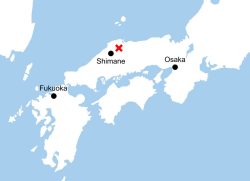
M6.2 Earthquake Hits Japan's Tottori, Shimane Prefectures; No Tsu...
-

Japan, Qatar Ministers Agree on Need for Stable Energy Supplies; ...
-

Japan, Italy to Boost LNG Cooperation; Aimed at Diversifying Japa...
Top Articles in Society
-
JAL, ANA Cancel Flights During 3-day Holiday Weekend due to Blizzard
-
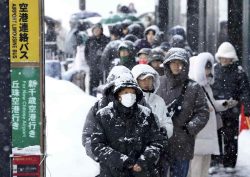
Record-Breaking Snow Cripples Public Transport in Hokkaido; 7,000 People Stay Overnight at New Chitose Airport
-
Australian Woman Dies After Mishap on Ski Lift in Nagano Prefecture
-
Foreign Snowboarder in Serious Condition After Hanging in Midair from Chairlift in Nagano Prefecture
-
Train Services in Tokyo Resume Following Power Outage That Suspended Yamanote, Keihin-Tohoku Lines (Update 4)
JN ACCESS RANKING
-
Univ. in Japan, Tokyo-Based Startup to Develop Satellite for Disaster Prevention Measures, Bears
-
JAL, ANA Cancel Flights During 3-day Holiday Weekend due to Blizzard
-
China Confirmed to Be Operating Drilling Vessel Near Japan-China Median Line
-
China Eyes Rare Earth Foothold in Malaysia to Maintain Dominance, Counter Japan, U.S.
-
Japan Institute to Use Domestic Commercial Optical Lattice Clock to Set Japan Standard Time