
Robots to Move Radioactive Sand, Water from Fukushima No.1 N-plant Basement; Material to Be Stored in Metal Containers
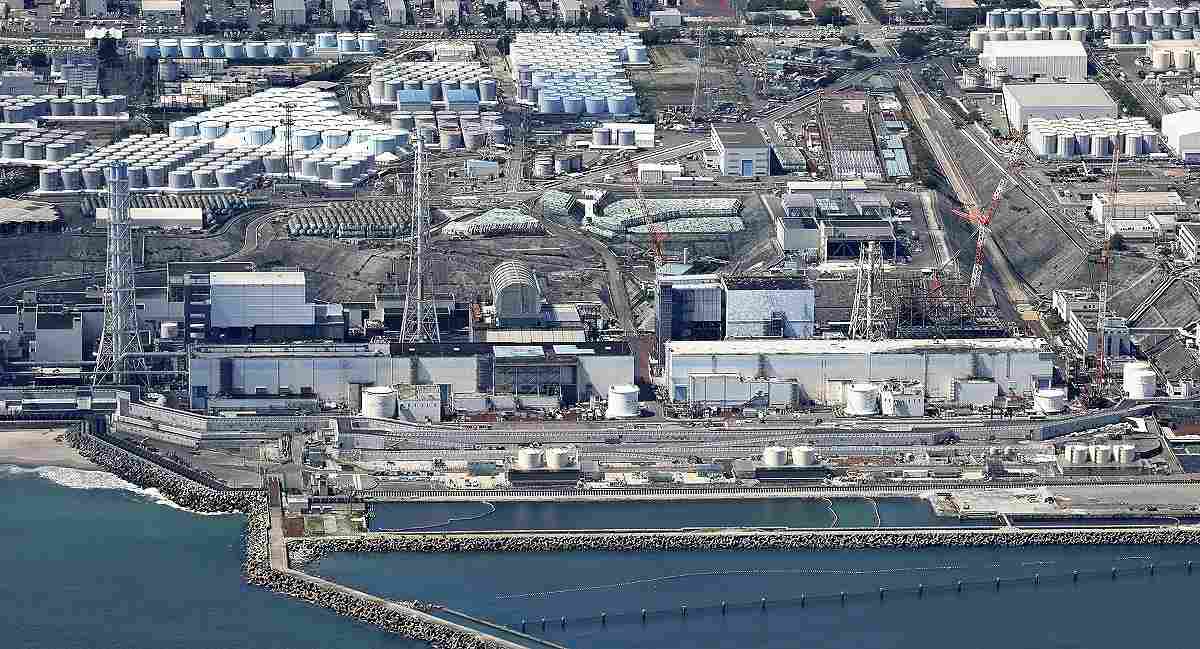
Fukushima No.1 Nuclear Power Plant is seen in September.
17:42 JST, December 6, 2024
Tokyo Electric Power Company Holdings, Inc. has decided to retrieve the sandbags that were used to lower the radiation level of water that was contaminated while cooling down the reactors at the Fukushima No. 1 nuclear power plant following the 2011 meltdown.
The procedure is aimed at reducing workers’ exposure to radiation, thus allowing the decommissioning process to be sped up. The company intends to start the removal of the sandbags by February.
Zeolite, a mineral used to adsorb radioactive cesium, was put in about 1,300 sandbags — weighing a total of about 26 tons — and placed on the basement floor of two facility buildings near the reactor buildings.
Following the 2011 Great East Japan Earthquake, there were meltdowns in the Nos. 1 to 3 reactors. An enormous amount of water was used in an attempt to cool the reactors down. The water used became highly contaminated and was stored in the basement floor of the two facility buildings.
Because the water was so highly radioactive, zeolite sandbags were put in the water to lower the radiation level. After being submerged in the contaminated water for many years, the sandbags have degraded and are now dangerously radioactive themselves.
The radiation dose on the surface of the sandbags measures a maximum of 4.4 sieverts per hour, which is enough to kill half the people exposed to it for one hour. Such high radiation levels have been a huge obstacle for the decommissioning work, in addition to the retrieval of nuclear fuel debris in the reactors.

TEPCO has been developing two types of robots for the sandbag retrieval. They are currently in the final phase of tests conducted in the prefecture, and TEPCO has decided they are ready for practical use.
For the retrieval, a remote-controlled robot will go into the water to tear the bags and let the zeolite out. Then, from fiscal 2025, another robot will be used to suck the zeolite with contaminated water through a pipe to the upper floor of the buildings and into metal containers that can shield against radiation. The containers will be stored for the time being in a high place on the plant’s grounds.
Activated charcoal, which was used in other sandbags to absorb oil spilled during the accident, will be stored in containers as well.
Although the work is scheduled to be completed by fiscal 2027, the decision of how to ultimately dispose of the containers has not yet been made.
TEPCO succeeded in the test retrieval of a piece nuclear fuel debris weighing 0.7 grams at the No. 2 reactor in November. Removal of the debris is deemed the most difficult task in the decommissioning process.






Most Read
Popular articles in the past 24 hours
-

Yokohama to Test Out Renewable-Powered Offshore Floating Data Cen...
-

Ishinomaki Man Plush Toy Offers Hope to Children in Times of Disa...
-

Microsoft Japan Raided by Antitrust Watchdog for Allegedly Blocki...
-
Japan Eyes Introducing Prescreening System for Foreign Travelers,...
-

Nikkei Tops 59,000 for First Time
-

Pokémon Celebrates 30 Years with Japanese Pro Baseball Collab
-

Party Representatives’ Questions in Diet: Takaichi Says Consumpti...
-

Dodgers' Roki Sasaki Erratic in First Spring Training Outing, Giv...
Popular articles in the past week
-

Producer Behind Pop Group XG Arrested for Cocaine Possession
-

iPS Treatments Pass Key Milestone, but Broader Applications Far f...
-

Japan, U.S. Name 3 Inaugural Investment Projects; Reached Agreeme...
-

Tokyo Skytree's Elevator Stops, Trapping 20 People; All Rescued (...
-
Milano Cortina 2026: Japanese Gold Medalist Figure Skater Miura S...
-

Japan’s Major Real Estate Firms Expanding Overseas Businesses to ...
-

Nepal Bus Crash Kills 19 People, Injures 25 Including One Japanes...
-

Baby Monkey Punch Captures Hearts at Chiba Pref. Zoo, on Social M...
Popular articles in the past month
-
Producer Behind Pop Group XG Arrested for Cocaine Possession
-

Japan PM Takaichi’s Cabinet Resigns en Masse
-

Japan Institute to Use Domestic Commercial Optical Lattice Clock ...
-

Man Infected with Measles Reportedly Dined at Restaurant in Tokyo...
-

Israeli Ambassador to Japan Speaks about Japan’s Role in the Reco...
-

Videos Plagiarized, Reposted with False Subtitles Claiming ‘Ryuky...
-

Man Infected with Measles May Have Come in Contact with Many Peop...
-

Prudential Life Insurance Plans to Fully Compensate for Damages C...
Top Articles in Society
-
Producer Behind Pop Group XG Arrested for Cocaine Possession
-
Man Infected with Measles Reportedly Dined at Restaurant in Tokyo Station
-
Man Infected with Measles May Have Come in Contact with Many People in Tokyo, Went to Store, Restaurant Around When Symptoms Emerged
-

Woman with Measles Visited Hospital in Tokyo Multiple Times Before Being Diagnosed with Disease
-
Australian Woman Dies After Mishap on Ski Lift in Nagano Prefecture
JN ACCESS RANKING
-
Producer Behind Pop Group XG Arrested for Cocaine Possession
-
Japan PM Takaichi’s Cabinet Resigns en Masse
-
Man Infected with Measles Reportedly Dined at Restaurant in Tokyo Station
-
Israeli Ambassador to Japan Speaks about Japan’s Role in the Reconstruction of Gaza
-
Videos Plagiarized, Reposted with False Subtitles Claiming ‘Ryukyu Belongs to China’; Anti-China False Information Also Posted in Japan