
Researchers Funded by Foreign Entities must Declare so when Applying for Japan’s Largest Grant
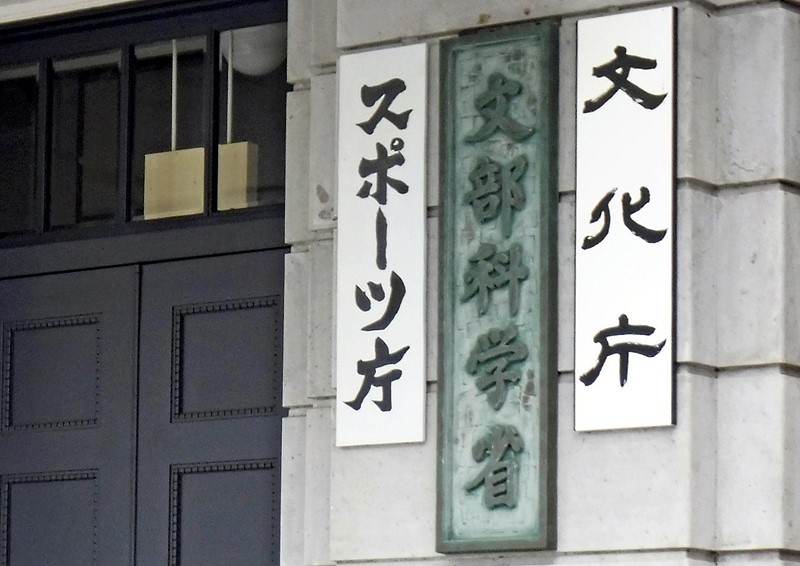
The Education, Culture, Sports, Science and Technology Ministry in Chiyoda Ward, Tokyo.
15:50 JST, January 25, 2021
The education ministry made it mandatory for applicants seeking the nation’s largest research grant be required to declare if they have received any foreign research funds, with China’s Thousand Talents Plan of recruiting overseas researchers in mind, The Yomiuri Shimbun has learned.
The obligation to declare overseas funding aims to increase the transparency of research and to better understand the overseas activities of researchers.
The measure took effect for funding from fiscal 2021 for the grant known as kakenhi (grants-in-aid for scientific research). Main applications for fiscal 2021 have closed and the review process has already begun.
Fearing a technology drain, the government is planning to establish guidelines by the end of this year to require researchers who receive public subsidies to disclose in principle their activities overseas, including the receipt of any foreign funds. Taking the initiative, the Education, Culture, Sports, Science and Technology Ministry has adopted this measure for kakenhi.
Kakenhi is a subsidy that supports a wide range of academic research in Japan and is available to researchers, excluding students, affiliated with universities and research institutions in Japan. In fiscal 2020, out of 104,158 applications, 28,569, or 27.4%, were accepted, and about ¥220 billion was allocated, including the portion granted for ongoing projects.
According to the education ministry, in order to avoid the concentration of funds on specific researchers, the ministry used to require kakenhi applicants to declare their receipt of other public subsidies within Japan at the time of application, but there was no such system in place to monitor foreign funding.
However, countries around the world are worrying about the outflow of advanced technology that could be used for military purposes and are strengthening their management of such technology.
The Japanese government’s Integrated Innovation Strategy 2020, which was approved by the Cabinet in July last year, pointed out the need to increase the transparency of research in order to prevent information being leaked.
Under the circumstances, the education ministry made it mandatory for researchers to declare the nature and amount of foreign funds they either are receiving or plan to receive, as well as the research period for kakenhi applications. However, it does not mean these applications will be automatically rejected if researchers are receiving foreign funding.
The Yomiuri Shimbun recently reported that at least 44 Japanese researchers have been involved in China’s Thousand Talents Plan, with 13 of them having received more than ¥100 million each in kakenhi, including for joint research, over the past 10 years. Some of them were found to belong to Chinese universities with close ties to China’s military.







Most Read
Most read in the last 24 hours
-
Japanese Govt to Set Up Panel on Widening Access to Sports Broadc...
-

New Budget Framework for Investments: Work to Achieve Both Growth...
-
Toyota Unveils New Development Hub in Woven City Repurposed from ...
-
Elegant Weeping Cherry Blossoms on Display at Water Purification ...
-

Fukui: Dinosaur Faculty Building Unveiled in Japanese University'...
-
Man Admits to Abandoning Wife's Body in Zoo Incinerator in Hokkai...
-

Japan Govt Panel Says Blocking of Illegal Online Casinos Effectiv...
-
Cherry Blossoms in Full Bloom in Japan's Aomori Pref.
Most read in the last 7 days
-
Earthquake Hits Japan's Tohoku Region; 3-meter Tsunami Warning Is...
-
China, South Korea Object to Japanese PM Takaichi's Ritual Offeri...
-

Trump Extends the Ceasefire with Iran but Keeps the Blockade
-

India's Arms Indigenization Quest for Self-Reliance / New Delhi S...
-
Japan to Ban Use of Portable Chargers on Airplanes from April 24,...
-
¥1,000 Coins to Be Issued to Mark Anniversary of Beginning of Jap...
-

Most Serious Cyberattacks against the UK Now from Russia, Iran an...
-

Trump Opposes United–American Merger, Signals Support for Spirit
Most read in the last 30 days
-
Earthquake Hits Japan's Tohoku Region; 3-meter Tsunami Warning Is...
-
Police Find Child's Shoe During Search for Missing Boy in Nantan,...
-
Body Found in Nantan, Kyoto Prefecture, During Search for 11-Year...
-
Cherry Blossoms, Rapeseed Flowers Perform Colorful ‘Duet’ in Niig...
-
China, South Korea Object to Japanese PM Takaichi's Ritual Offeri...
-
Trump Extends the Ceasefire with Iran but Keeps the Blockade
-

Olympic Gold Medal-Winning Figure Skaters Riku-Ryu Announce Retir...
-
Japanese Prime Minister Takaichi Speaks to Pakistani Prime Minist...
Top Articles in Society
-
Earthquake Hits Japan’s Tohoku Region; 3-meter Tsunami Warning Issued (Update 1)
-
Police Find Child’s Shoe During Search for Missing Boy in Nantan, Kyoto Prefecture
-
Body Found in Nantan, Kyoto Prefecture, During Search for 11-Year-Old Boy in Area (Update 1)
-
Cherry Blossoms, Rapeseed Flowers Perform Colorful ‘Duet’ in Niigata
-
Japan to Ban Use of Portable Chargers on Airplanes from April 24, Number of Regular Chargers To Be Limited to 2
JN ACCESS RANKING
-
Earthquake Hits Japan’s Tohoku Region; 3-meter Tsunami Warning Issued (Update 1)
-
Police Find Child’s Shoe During Search for Missing Boy in Nantan, Kyoto Prefecture
-
Body Found in Nantan, Kyoto Prefecture, During Search for 11-Year-Old Boy in Area (Update 1)
-
Cherry Blossoms, Rapeseed Flowers Perform Colorful ‘Duet’ in Niigata
-
China, South Korea Object to Japanese PM Takaichi’s Ritual Offering to Yasukuni Shrine
Most read in the last 24 hours
-
Japanese Govt to Set Up Panel on Widening Access to Sports Broadc...
-
New Budget Framework for Investments: Work to Achieve Both Growth...
-
Toyota Unveils New Development Hub in Woven City Repurposed from ...
-
Elegant Weeping Cherry Blossoms on Display at Water Purification ...
-
Fukui: Dinosaur Faculty Building Unveiled in Japanese University'...
Most read in the last 7 days
-
Earthquake Hits Japan's Tohoku Region; 3-meter Tsunami Warning Is...
-
China, South Korea Object to Japanese PM Takaichi's Ritual Offeri...
-
Trump Extends the Ceasefire with Iran but Keeps the Blockade
-
India's Arms Indigenization Quest for Self-Reliance / New Delhi S...
-
Japan to Ban Use of Portable Chargers on Airplanes from April 24,...
Most read in the last 30 days
-
Earthquake Hits Japan's Tohoku Region; 3-meter Tsunami Warning Is...
-
Police Find Child's Shoe During Search for Missing Boy in Nantan,...
-
Body Found in Nantan, Kyoto Prefecture, During Search for 11-Year...
-
Cherry Blossoms, Rapeseed Flowers Perform Colorful ‘Duet’ in Niig...
-
China, South Korea Object to Japanese PM Takaichi's Ritual Offeri...