
Upper House Election: Certain Claims Spread Rapidly on Social Media During Election; Analysis Discovers Content Spread by Bot-Like Accounts
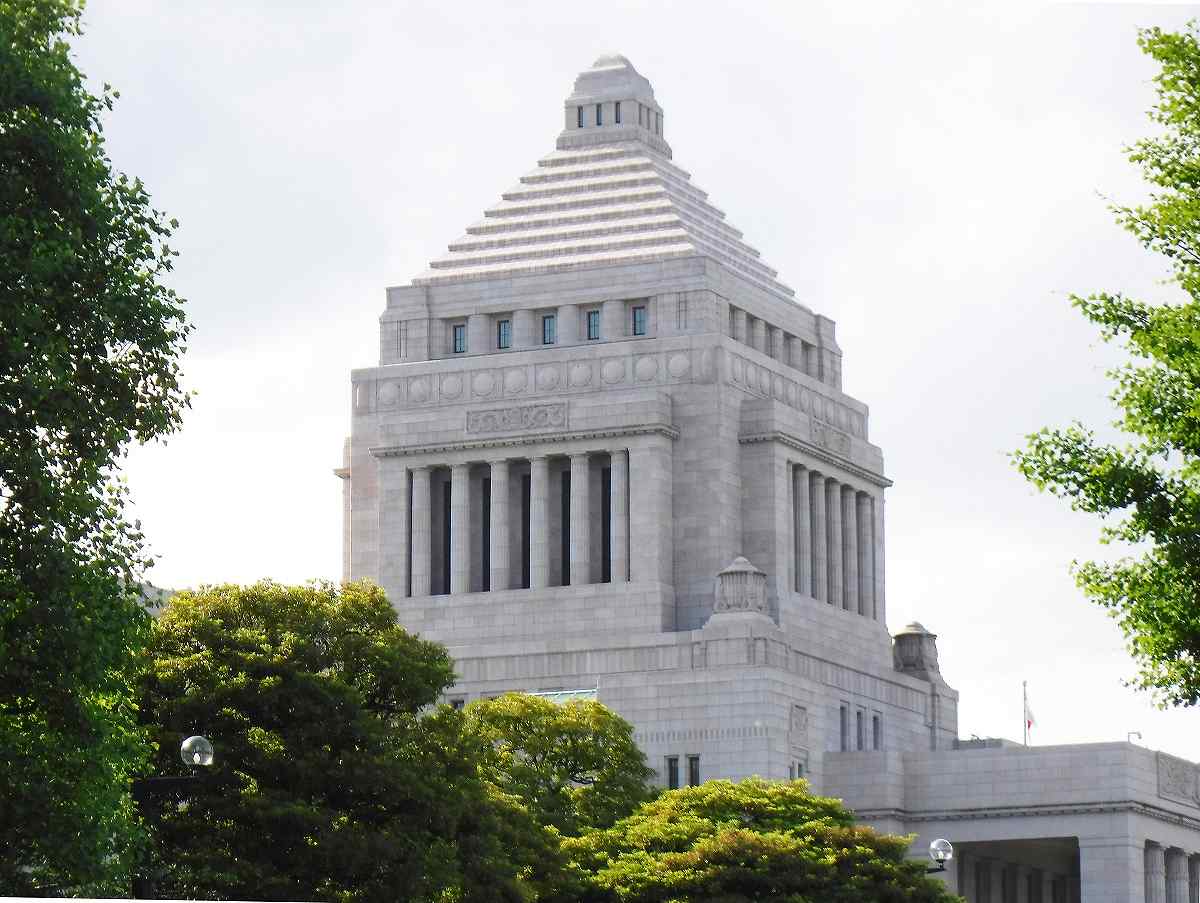
The Diet Building is seen in Tokyo.
7:00 JST, January 5, 2026
Certain assertions spread in an abnormal fashion on social media during the House of Councillors election in July last year, an investigation by a cybersecurity company has found.
About 9,400 social media accounts were detected that showed signs of behaving like bots, such as mass retweets to amplify particular assertions. Analysis of a sample of these accounts showed that such assertions were rapidly spread during July by about half of them.
Japan Nexus Intelligence Inc. compiled a report after its investigation, which particularly covered the period from the start of official campaigning for the election on July 3 to the voting and ballot counting on July 20.
You may also like to read
Yomiuri Survey: 72% Think Laws Needed to Prevent Social Media Election Disinformation; Majority of All Age Groups for EnactmentUsing a social media analysis tool, the company detected about 9,400 accounts showing bot-like behavior, such as spreading posts by repeatedly reposting during a short period of time. The company also examined the activity from January 2025 to July that year of 170 social media accounts deemed more likely to be bots based on characteristics such as their account information and date of creation.
It found that certain assertions were significantly disseminated through 77 accounts, or 45% of the 170, in July when the election was held.
Some of these accounts primarily spread criticism of specific politicians or the assertions of specific political parties. The report says the spread of such posts certainly contributed to an increase in people’s exposure to specific ideologies.
Regarding the upper house election, a senior Japanese government official said, “Our country has been among the targets of influence operations” involving foreign interference in elections through social media.
However, Japan Nexus Intelligence’s head analyst said: “It’s difficult to make a definite conclusion. We can’t say for sure whether there was interference.”
The report says, “An era has arrived in which election outcomes can be significantly swayed by the ability to build passionate communities and create compelling narratives that resonate with people.”
“Even if posts and their dissemination are unscrupulous in nature, it’s difficult for viewers to ascertain the information providers’ intent,” the analyst said. “People should consciously be skeptical when they see information on social media.”


Related Tags



Most Read
Popular articles in the past 24 hours
-

Japanese Shipping Giants Halt Strait of Hormuz Transit as Iran Co...
-

Improvement of Japanese Language Schools Lags Rise in Foreigners
-

U.S. Launches Attacks on Iran: Avoid Escalation of Conflict by An...
-

Rental Lab Space in Tokyo Area More Than Doubles Since 2010, Offe...
-

Parents of Japanese Teen Shot in U.S. Strive for Gun Control
-

Sawtooth Roof Factory Stands as Monument to Ashikaga Textile Hist...
-

Disinformation Spreads About Team Mirai, Ballot Readers; Online P...
-
Bank of Japan Deputy Governor Says Rate Hikes Likely to Continue
Popular articles in the past week
-

Nepal Bus Crash Kills 19 People, Injures 25 Including One Japanes...
-
Milano Cortina 2026: Japanese Gold Medalist Figure Skater Miura S...
-

Tokyo Spends Big on Children, Wins Over Parents
-

McDonald's Japan Raises Prices; Big Mac to Cost ¥500, Double Chee...
-

‘Dry Bonsai’ Gives New Life to Withered Trees, Allows Free Artist...
-
Japan’s Miura, Kihara Announce Withdrawal from Figure Skating Wor...
-

Exhibition Featuring Yoshiharu Tsuge’s Manga World Underway in Ch...
-

Yokohama to Test Out Renewable-Powered Offshore Floating Data Cen...
Popular articles in the past month
-

Producer Behind Pop Group XG Arrested for Cocaine Possession
-

Japan PM Takaichi’s Cabinet Resigns en Masse
-

Man Infected with Measles Reportedly Dined at Restaurant in Tokyo...
-

Israeli Ambassador to Japan Speaks about Japan’s Role in the Reco...
-

Videos Plagiarized, Reposted with False Subtitles Claiming ‘Ryuky...
-

Man Infected with Measles May Have Come in Contact with Many Peop...
-

Prudential Life Insurance Plans to Fully Compensate for Damages C...
-

Woman with Measles Visited Hospital in Tokyo Multiple Times Befor...
Top Articles in Society
-
Producer Behind Pop Group XG Arrested for Cocaine Possession
-
Man Infected with Measles Reportedly Dined at Restaurant in Tokyo Station
-
Man Infected with Measles May Have Come in Contact with Many People in Tokyo, Went to Store, Restaurant Around When Symptoms Emerged
-
Woman with Measles Visited Hospital in Tokyo Multiple Times Before Being Diagnosed with Disease
-

Bus Carrying 40 Passengers Catches Fire on Chuo Expressway; All Evacuate Safely
JN ACCESS RANKING
-
Producer Behind Pop Group XG Arrested for Cocaine Possession
-
Japan PM Takaichi’s Cabinet Resigns en Masse
-
Man Infected with Measles Reportedly Dined at Restaurant in Tokyo Station
-
Israeli Ambassador to Japan Speaks about Japan’s Role in the Reconstruction of Gaza
-
Videos Plagiarized, Reposted with False Subtitles Claiming ‘Ryukyu Belongs to China’; Anti-China False Information Also Posted in Japan