
Elementary School Students in Noto Region Show Decline in Physical Endurance; Decline May Come from Changes in Living Environment
12:58 JST, June 29, 2025
Elementary school students in areas affected by the 2024 Noto Peninsula Earthquake are declining in physical endurance, according to a study by an associate professor.
Physical endurance can be improved by strengthening muscles and cardiopulmonary functions through exercises such as walking and running. The decline in physical endurance seems to have been caused by a decrease in opportunities for students to do physical exercises. One of the reasons is that school buses have been used to take them to and from school in areas that saw schools consolidated after the earthquake.
Ryosuke Tsuda, associate professor at Kanazawa Medical University, analyzed the results of the National Survey of Physical Fitness, Athletic Performance and Exercise Habits for 217 male and female sixth graders who graduated in March 2025 in the northern part of the Noto Peninsula. The region was severely affected by the earthquake.
He then compared data taken before the earthquake, when the students were fourth and fifth graders, with the post-earthquake data taken when they were sixth graders. The data showed that the results of the “shuttle run” test, which requires physical endurance, declined and slowed down.
In the shuttle run, students run back and forth between two points 20 meters apart for a set amount of time. Usually, students in higher grades can do more runs. The latest analysis shows that the number of shuttle runs by girls increased from 39.5 when they were in the fourth grade to 45.4 when they were in the fifth grade. However, the number declined to 44.3 when they were in the sixth grade after the earthquake. The number was lower than that of the previous year’s sixth graders with 51.2 runs.
The number of shuttle runs by boys also increased from 47.4 when they were fourth graders to 52.3 as fifth graders, while it remained almost unchanged at 52.7 when they were in the sixth grade. The number was also lower than that of the previous year’s sixth graders with 59.4.
As for the 50-meter run, which requires students to use their leg and hip muscles, both boys and girls were 0.1 to 0.2 seconds slower than the previous year’s sixth graders.
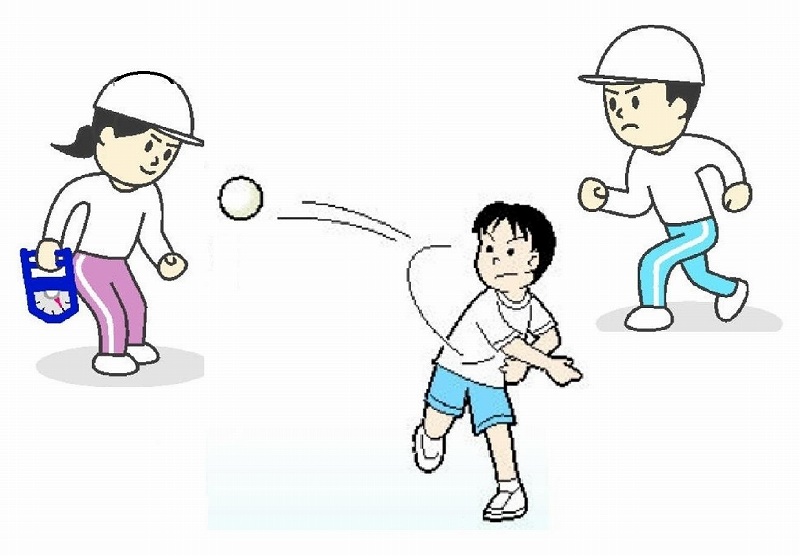
There was no noticeable change in activities that require flexibility and athletic skills, such as bending forward and throwing balls.
“Although the data analyzed was limited, it is possible that the decline of the results of activities that involve daily exercises has been caused by changes in [the students’] living environment,” Tsuda said.
“Many schools have limited spaces for exercises, such as temporary school buildings built on school grounds, and it is necessary to consider ways to offer more opportunities for students to exercise,” he added.


Related Tags





Most Read
Popular articles in the past 24 hours
-

‘Dry Bonsai’ Gives New Life to Withered Trees, Allows Free Artist...
-

Japanese Students Use Traditional Pickle to Create Novel Wagashi ...
-

McDonald's Japan Raises Prices; Big Mac to Cost ¥500, Double Chee...
-

Nepal Bus Crash Kills 19 People, Injures 25 Including One Japanes...
-

Japan’s Nikkei Stock Average Rises as AI-Related Stocks Shine; Co...
-

Astellas Collaborates with Vir to Develop Its Experimental Prosta...
-

Early-Blooming Kawazu Cherry Blossoms Create Sea of Pink at Park ...
-

Joruri Bunraku Narrative Performed in Honor of Donald Keene by La...
Popular articles in the past week
-

Producer Behind Pop Group XG Arrested for Cocaine Possession
-

Japan PM Takaichi’s Cabinet Resigns en Masse
-

Sanae Takaichi Elected Prime Minister of Japan; Keeps All Cabinet...
-

Japan's Govt to Submit Road Map for Growth Strategy in March, PM ...
-

Bus Carrying 40 Passengers Catches Fire on Chuo Expressway; All E...
-

U.S. Firm to Build Training Hub in Fukushima N-plant for Debris R...
-

Japan, U.S. Name 3 Inaugural Investment Projects; Reached Agreeme...
-

Riku-Ryu Pair Wins Gold Medal: Their Strong Bond Leads to Major C...
Popular articles in the past month
-
Producer Behind Pop Group XG Arrested for Cocaine Possession
-
Japan PM Takaichi’s Cabinet Resigns en Masse
-

Japan Institute to Use Domestic Commercial Optical Lattice Clock ...
-

Man Infected with Measles Reportedly Dined at Restaurant in Tokyo...
-

Israeli Ambassador to Japan Speaks about Japan’s Role in the Reco...
-

Videos Plagiarized, Reposted with False Subtitles Claiming ‘Ryuky...
-

Man Infected with Measles May Have Come in Contact with Many Peop...
-

Prudential Life Insurance Plans to Fully Compensate for Damages C...
Top Articles in Society
-
Producer Behind Pop Group XG Arrested for Cocaine Possession
-
Man Infected with Measles Reportedly Dined at Restaurant in Tokyo Station
-
Man Infected with Measles May Have Come in Contact with Many People in Tokyo, Went to Store, Restaurant Around When Symptoms Emerged
-

Woman with Measles Visited Hospital in Tokyo Multiple Times Before Being Diagnosed with Disease
-
Australian Woman Dies After Mishap on Ski Lift in Nagano Prefecture
JN ACCESS RANKING
-
Producer Behind Pop Group XG Arrested for Cocaine Possession
-
Japan PM Takaichi’s Cabinet Resigns en Masse
-
Japan Institute to Use Domestic Commercial Optical Lattice Clock to Set Japan Standard Time
-
Man Infected with Measles Reportedly Dined at Restaurant in Tokyo Station
-
Israeli Ambassador to Japan Speaks about Japan’s Role in the Reconstruction of Gaza