
Experts Push for Multi-Layered Fact Checks to Combat Online Disinformation; Low Digital Literacy Poses a Special Problem for Improving Japanese People’s Awareness
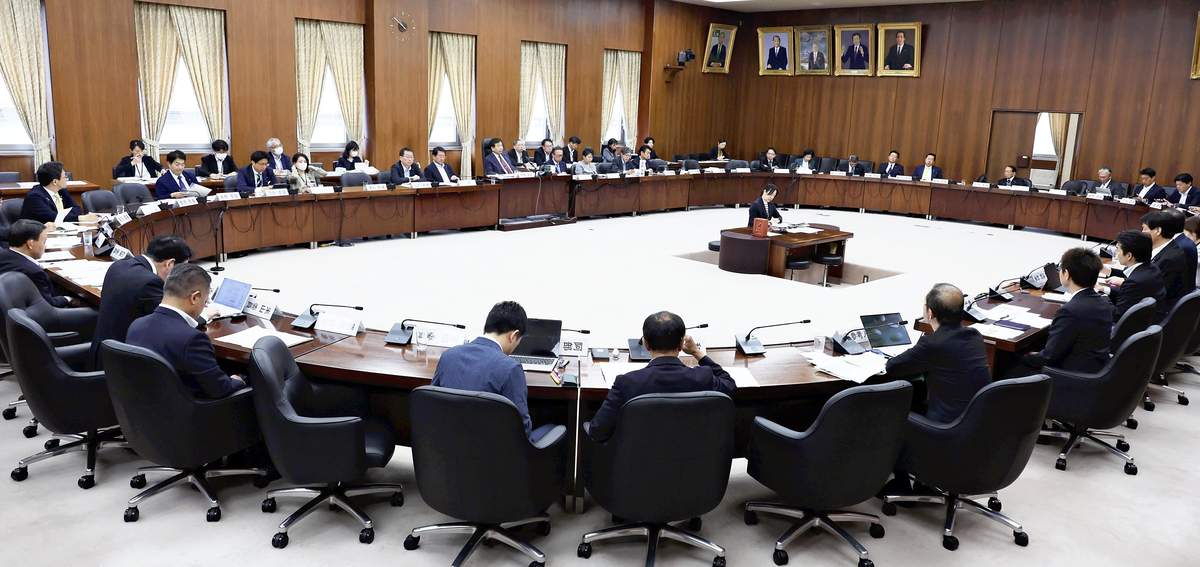
The House of Representatives Commission on the Constitution convenes a hearing at the Diet Building in Tokyo on Thursday.
15:41 JST, May 23, 2025
Experts at a House of Representatives panel discussion on false online content recently underscored the importance of strong countermeasures to combat disinformation, such as multi-layered fact-checking.
The lower house’s Commission on the Constitution held a hearing on Thursday regarding countermeasures against false and misleading information online.
Proposed countermeasures included the implementation of multi-layered fact-checking efforts by private organizations and news outlets, along with calls for platform operators to implement particular measures during elections.
Prof. Kazuhiro Taira of J.F. Oberlin University emphasized the important role of private-sector leadership in promoting fact-checking. He stressed that, to increase the capabilities of the organizations that check the facts, it would be vital to have public support that does not undermine their independence and non-partisanship.
Given that overseas mass media often conduct fact-checks, he stated: “We hope the [Japanese] media will proactively take similar measures. This would allow for the creation of multiple layers of scrutiny and quicker action.”
He also called for a system for preferentially displaying the results of fact checks online to make them more widely known.
However, he also voiced concerns that fact-checking by public institutions could potentially infringe upon freedom of expression.
He also pointed out that the national referendum public relations council, which is set to be established in the Diet after a constitutional amendment is proposed, would have difficulty accumulating the necessary know-how to effectively run fact checks.
Prof. Fujio Toriumi of the University of Tokyo emphasized the importance of urging platform operators to implement measures to hinder the spread of false and misleading information, especially during elections and disasters.
He noted that awareness of the attention economy, in which media organs profit from capturing public interest with sensational content, is lower in Japan than in other countries. He stressed that improving digital literacy is a key challenge.







Most Read
Popular articles in the past 24 hours
-

McDonald's Japan Raises Prices; Big Mac to Cost ¥500, Double Chee...
-

Nepal Bus Crash Kills 19 People, Injures 25 Including One Japanes...
-

Japan’s Nikkei Stock Average Rises as AI-Related Stocks Shine; Co...
-

Aggression against Ukraine: Malignant Precedent Must Not Be Set t...
-

Joruri Bunraku Narrative Performed in Honor of Donald Keene by La...
-

Milano Cortina 2026: Gold Medal Olympic Figure Skaters Riku Miura...
-

Kanto's 1st Spring Wind Blows as Tokyo Sees Unseasonably High Tem...
-

How Keri Russell's Suede Coach Boots Ended up in My Closet
Popular articles in the past week
-

Producer Behind Pop Group XG Arrested for Cocaine Possession
-

Japan PM Takaichi’s Cabinet Resigns en Masse
-

Sanae Takaichi Elected Prime Minister of Japan; Keeps All Cabinet...
-

Japan's Govt to Submit Road Map for Growth Strategy in March, PM ...
-

Bus Carrying 40 Passengers Catches Fire on Chuo Expressway; All E...
-

Japan, U.S. Name 3 Inaugural Investment Projects; Reached Agreeme...
-

Riku-Ryu Pair Wins Gold Medal: Their Strong Bond Leads to Major C...
-

iPS Treatments Pass Key Milestone, but Broader Applications Far f...
Popular articles in the past month
-
Producer Behind Pop Group XG Arrested for Cocaine Possession
-
Japan PM Takaichi’s Cabinet Resigns en Masse
-

Japan Institute to Use Domestic Commercial Optical Lattice Clock ...
-

Man Infected with Measles Reportedly Dined at Restaurant in Tokyo...
-

Israeli Ambassador to Japan Speaks about Japan’s Role in the Reco...
-

Videos Plagiarized, Reposted with False Subtitles Claiming ‘Ryuky...
-

Man Infected with Measles May Have Come in Contact with Many Peop...
-

Prudential Life Insurance Plans to Fully Compensate for Damages C...
Top Articles in Society
-
Producer Behind Pop Group XG Arrested for Cocaine Possession
-
Man Infected with Measles Reportedly Dined at Restaurant in Tokyo Station
-
Man Infected with Measles May Have Come in Contact with Many People in Tokyo, Went to Store, Restaurant Around When Symptoms Emerged
-

Woman with Measles Visited Hospital in Tokyo Multiple Times Before Being Diagnosed with Disease
-

Australian Woman Dies After Mishap on Ski Lift in Nagano Prefecture
JN ACCESS RANKING
-
Producer Behind Pop Group XG Arrested for Cocaine Possession
-
Japan PM Takaichi’s Cabinet Resigns en Masse
-
Man Infected with Measles Reportedly Dined at Restaurant in Tokyo Station
-
Israeli Ambassador to Japan Speaks about Japan’s Role in the Reconstruction of Gaza
-
Videos Plagiarized, Reposted with False Subtitles Claiming ‘Ryukyu Belongs to China’; Anti-China False Information Also Posted in Japan