
Nuclear Debris Captured at Fukushima No. 1 Power Plant; First Time to be Grabbed for Purpose of Removal
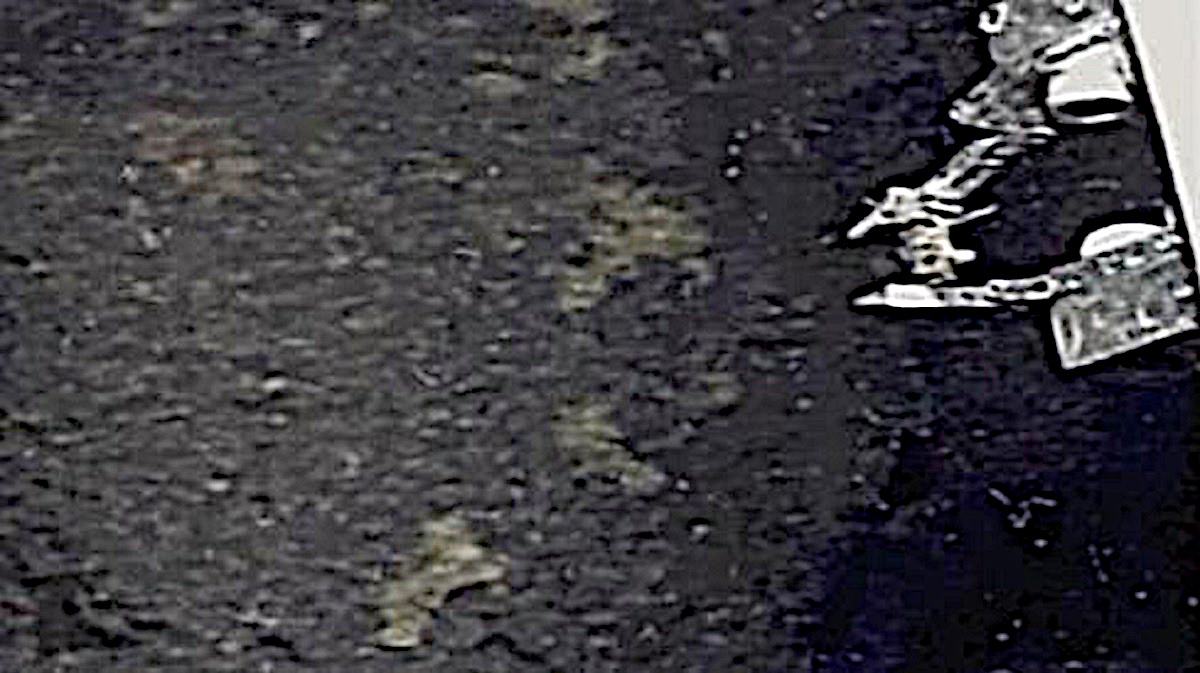
A claw-like device, upper right, grabs a small amount of nuclear debris.
14:34 JST, October 31, 2024
Nuclear fuel debris has been captured with a claw-like device in the No. 2 reactor at the Fukushima No. 1 nuclear power plant, Tokyo Electric Power Company Holdings, Inc. said Wednesday.
The company planned to start removing the debris from the reactor on Thursday, conducting the operation over a period stretching from a few days to as much as a week. If successful, it will be the first removal of debris since the March 2011 accident at the plant and represent a step toward decommissioning the plant.
According to TEPCO, work to grab the melted nuclear fuel began at 9:57 a.m. Wednesday. A cable was hung from the end of equipment shaped like a fishing rod, and at 10:30 a.m., the claw-like device captured the debris, which had accumulated at the bottom of a reactor containment vessel.
The debris is up to 5 millimeters in size, the company said. Work ended for the day shortly after 12:30 p.m., with the equipment lifted out.
Experimental work to remove nuclear debris began on Sept. 10, but it was suspended for more than a month due to glitch-hit cameras attached to the end of the equipment. The work resumed Monday. Although nuclear debris had been captured before as part of procedures to check the equipment, this was the first time debris has been grabbed for the purpose of removal.
The company was to start work Thursday to take the equipment out of the reactor containment vessel. Less than 3 grams of debris are to be removed to prevent workers from being exposed to radiation. The weight will be estimated by measuring the radiation level of the debris within the reactor building before removing it.
If the radiation dose exceeds 24 millisieverts per hour, the debris will be returned to the containment vessel.
After the debris is removed, it will be put in a special container and sent to the Japan Atomic Energy Agency’s Oarai Research and Development Institute in Ibaraki Prefecture, where the debris’ hardness, composition and other matters will be examined. The findings will be used to study efficient removal and storage methods.






Most Read
Popular articles in the past 24 hours
-
Ishinomaki Man Plush Toy Offers Hope to Children in Times of Disa...
-
Japan Eyes Introducing Prescreening System for Foreign Travelers,...
-

Microsoft Japan Raided by Antitrust Watchdog for Allegedly Blocki...
-

Party Representatives’ Questions in Diet: Takaichi Says Consumpti...
-

Milano Cortina 2026: News in Pictures / Feats of Japanese Athlete...
-

Pokémon Celebrates 30 Years with Japanese Pro Baseball Collab
-

Nikkei Tops 59,000 for First Time
-
New U.S. Tariff Unlikely to Significantly Impact Japan, BOJ Gov. ...
Popular articles in the past week
-

Producer Behind Pop Group XG Arrested for Cocaine Possession
-

iPS Treatments Pass Key Milestone, but Broader Applications Far f...
-

Tokyo Skytree's Elevator Stops, Trapping 20 People; All Rescued (...
-
Milano Cortina 2026: Japanese Gold Medalist Figure Skater Miura S...
-

Japan’s Major Real Estate Firms Expanding Overseas Businesses to ...
-

Nepal Bus Crash Kills 19 People, Injures 25 Including One Japanes...
-

Baby Monkey Punch Captures Hearts at Chiba Pref. Zoo, on Social M...
-

Milano Cortina 2026: Japanese Figure Skater Kaori Sakamoto’...
Popular articles in the past month
-
Producer Behind Pop Group XG Arrested for Cocaine Possession
-

Japan PM Takaichi’s Cabinet Resigns en Masse
-

Japan Institute to Use Domestic Commercial Optical Lattice Clock ...
-

Man Infected with Measles Reportedly Dined at Restaurant in Tokyo...
-

Israeli Ambassador to Japan Speaks about Japan’s Role in the Reco...
-

Videos Plagiarized, Reposted with False Subtitles Claiming ‘Ryuky...
-

Man Infected with Measles May Have Come in Contact with Many Peop...
-

Prudential Life Insurance Plans to Fully Compensate for Damages C...
Top Articles in Society
-
Producer Behind Pop Group XG Arrested for Cocaine Possession
-
Man Infected with Measles Reportedly Dined at Restaurant in Tokyo Station
-
Man Infected with Measles May Have Come in Contact with Many People in Tokyo, Went to Store, Restaurant Around When Symptoms Emerged
-

Woman with Measles Visited Hospital in Tokyo Multiple Times Before Being Diagnosed with Disease
-
Australian Woman Dies After Mishap on Ski Lift in Nagano Prefecture
JN ACCESS RANKING
-
Producer Behind Pop Group XG Arrested for Cocaine Possession
-
Japan PM Takaichi’s Cabinet Resigns en Masse
-
Man Infected with Measles Reportedly Dined at Restaurant in Tokyo Station
-
Israeli Ambassador to Japan Speaks about Japan’s Role in the Reconstruction of Gaza
-
Videos Plagiarized, Reposted with False Subtitles Claiming ‘Ryukyu Belongs to China’; Anti-China False Information Also Posted in Japan