
Treatment of Foreign Nationals a Key Topic for Lower Election in Japan; Balancing Rights, Regulations Key for Coexistence with Foreigners
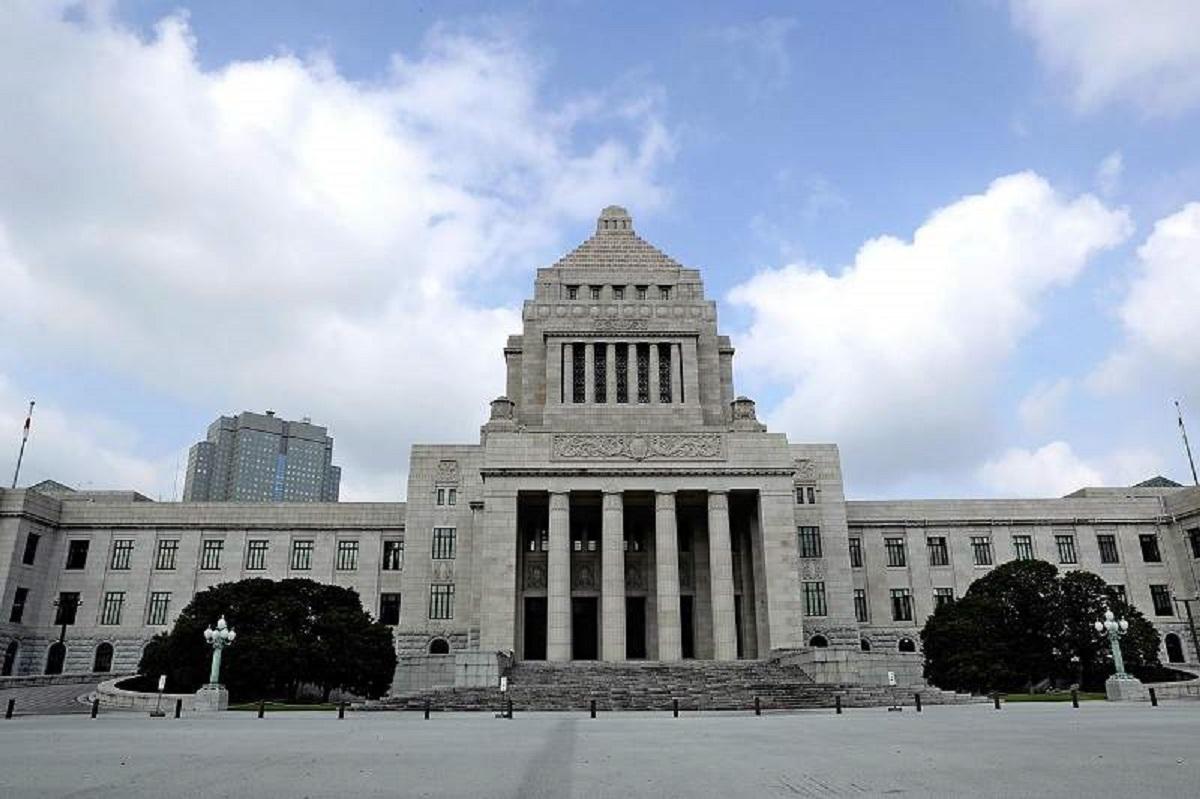
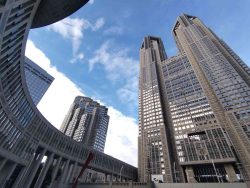
The Diet Building in Chiyoda Ward, Tokyo, Japan.
15:02 JST, February 5, 2026
Foreign residents now make up 3% of Japan’s total population, with their numbers reaching about 3.95 million as of the end of June last year, an increase of 360,000 from a year earlier.
The presence of foreign nationals in the workforce is expanding, with the number of such workers hitting a record 2.57 million as of late October last year, the 13th consecutive year of growth.
However, the influx of foreign nationals has also brought social friction and various problems to the fore. The issue of how to accept foreign nationals and achieve social coexistence has emerged as a key policy topic in the upcoming House of Representatives election.
Under its campaign pledges, the Liberal Democratic Party seeks to eliminate cases of people staying illegally and root out the nonpayment of taxes and social insurance premiums, along with the exploitation of public systems.
The move follows the government’s basic policy on foreign nationals finalized last month, which focuses on stricter residence management and underscores the importance of maintaining public order.
The government has also outlined a plan to accept up to 1.23 million foreign nationals over the two years through fiscal 2028 under the existing “specified skilled worker” status and the new “employment for skill development” program, the latter of which is set to replace the current technical intern program in April next year.
The combined number of technical interns and specified skilled workers was 780,000 as of the end of June last year. While expanding the acceptance quota, the government intends to place certain caps on the numbers.
A push for tighter regulations and stricter management of foreign residents is also seen among some segments of the opposition.
The Democratic Party for the People is pushing for legislation to regulate land acquisition by foreign nationals. Meanwhile, Sanseito advocates for tightening restrictions on real estate purchases by foreigners and strictly managing the overall number of people admitted to the country.
By contrast, other political groups are shifting the focus toward social coexistence and the protection of foreigners’ rights.
The Centrist Reform Alliance stresses the need to establish a foundation for safe and secure coexistence between Japanese and foreign residents. Meanwhile, the Japanese Communist Party calls for measures such as granting permanent foreign residents the right to vote in local elections.
However, according to a survey by the Organization for Economic Cooperation and Development, while countries such as South Korea and Taiwan have been proactive in accepting foreigners, Japan’s wage level ranks 25th among the 38 member countries and cannot be considered high by international standards.
This suggests that Japan is struggling to stay competitive in the global competition for human resources. Measures to make Japan a country “chosen” by foreigners are not clearly visible in the pledges of the various parties.
As Japan grapples with its declining birth rate, foreign residents have become vital pillars to support Japanese society.
On the other hand, authorities must take a firm stand against illegal activities such as overstaying, as unchecked immigration could create deep-seated problems for future generations.
Although opinions tend to be divided on the treatment of foreign nationals, Japan needs a realistic and level-headed dialogue on the issue.


Related Tags

Most Read
Popular articles in the past 24 hours
-

Japanese Shipping Giants Halt Strait of Hormuz Transit as Iran Co...
-

U.S. Launches Attacks on Iran: Avoid Escalation of Conflict by An...
-

Sawtooth Roof Factory Stands as Monument to Ashikaga Textile Hist...
-
Parents of Japanese Teen Shot in U.S. Strive for Gun Control
-

Disinformation Spreads About Team Mirai, Ballot Readers; Online P...
-
Asahi Breweries to Stage Comeback with New Product in April; Comp...
-
Bank of Japan Deputy Governor Says Rate Hikes Likely to Continue
-
Japanese Government Bonds Rally, Yields Tumble as Iran Strikes Sp...
Popular articles in the past week
-

Nepal Bus Crash Kills 19 People, Injures 25 Including One Japanes...
-

Milano Cortina 2026: Japanese Gold Medalist Figure Skater Miura S...
-
Tokyo Spends Big on Children, Wins Over Parents
-

McDonald's Japan Raises Prices; Big Mac to Cost ¥500, Double Chee...
-

Japan’s Miura, Kihara Announce Withdrawal from Figure Skating Wor...
-

Exhibition Featuring Yoshiharu Tsuge’s Manga World Underway in Ch...
-

Yokohama to Test Out Renewable-Powered Offshore Floating Data Cen...
-

BOJ Keeping Eye on Economy and Takaichi's ‘Proactive Fiscal Polic...
Popular articles in the past month
-

Producer Behind Pop Group XG Arrested for Cocaine Possession
-

Japan PM Takaichi’s Cabinet Resigns en Masse
-

Man Infected with Measles Reportedly Dined at Restaurant in Tokyo...
-

Israeli Ambassador to Japan Speaks about Japan’s Role in the Reco...
-

Videos Plagiarized, Reposted with False Subtitles Claiming ‘Ryuky...
-

Man Infected with Measles May Have Come in Contact with Many Peop...
-

Prudential Life Insurance Plans to Fully Compensate for Damages C...
-

Woman with Measles Visited Hospital in Tokyo Multiple Times Befor...
Top Articles in Politics
-
Japan PM Takaichi’s Cabinet Resigns en Masse
-

Sanae Takaichi Elected Prime Minister of Japan; Keeps All Cabinet Appointees from Previous Term
-

Japan’s Govt to Submit Road Map for Growth Strategy in March, PM Takaichi to Announce in Upcoming Policy Speech
-

LDP Wins Historic Landslide Victory
-

LDP Wins Landslide Victory, Secures Single-party Majority; Ruling Coalition with JIP Poised to Secure Over 300 seats (UPDATE 1)
JN ACCESS RANKING
-
Producer Behind Pop Group XG Arrested for Cocaine Possession
-
Japan PM Takaichi’s Cabinet Resigns en Masse
-
Man Infected with Measles Reportedly Dined at Restaurant in Tokyo Station
-
Israeli Ambassador to Japan Speaks about Japan’s Role in the Reconstruction of Gaza
-
Videos Plagiarized, Reposted with False Subtitles Claiming ‘Ryukyu Belongs to China’; Anti-China False Information Also Posted in Japan