
Japan to Support Central Asian Logistics Route That Bypasses Russia, Plan to Be Part of Upcoming Summit in Tokyo
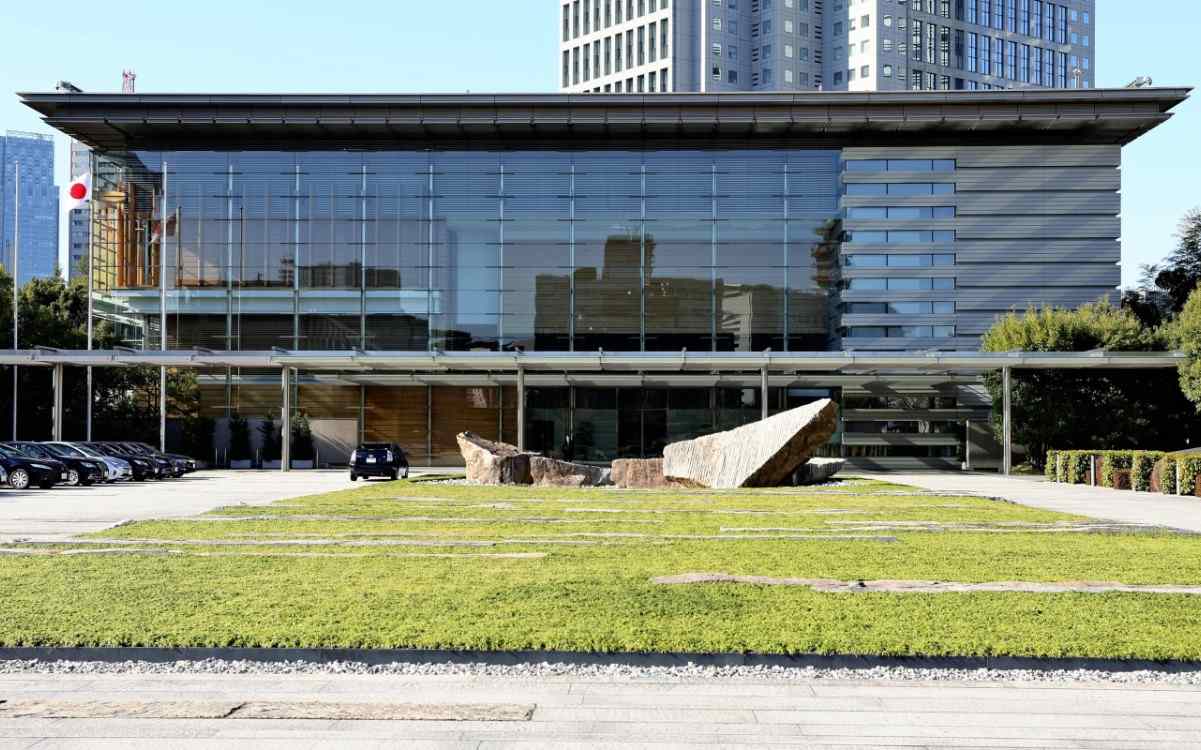
Prime Minister’s Office
13:52 JST, December 15, 2025
The government plans to support the development of infrastructure along a Caspian Sea logistics route that bypasses Russia to Europe, several government sources have said.
It will likely announce the policy at an inaugural summit with five Central Asian countries scheduled to be held in Tokyo later this month. The policy will be included in the joint declaration to be adopted at the meeting.
The support will included upgrading aging transport routes and streamlining customs systems to resolve cargo congestion.
The aim of the plan is for Japan to import vital goods and reduce economic security risks by bypassing Russia.
Central Asia is a key inland corridor bordered by China, Russia, Iran and other countries. The area is rich in energy and mineral resources such as oil, natural gas and rare metals. Japan intends to strengthen ties with these countries by proposing support measures at the summit.
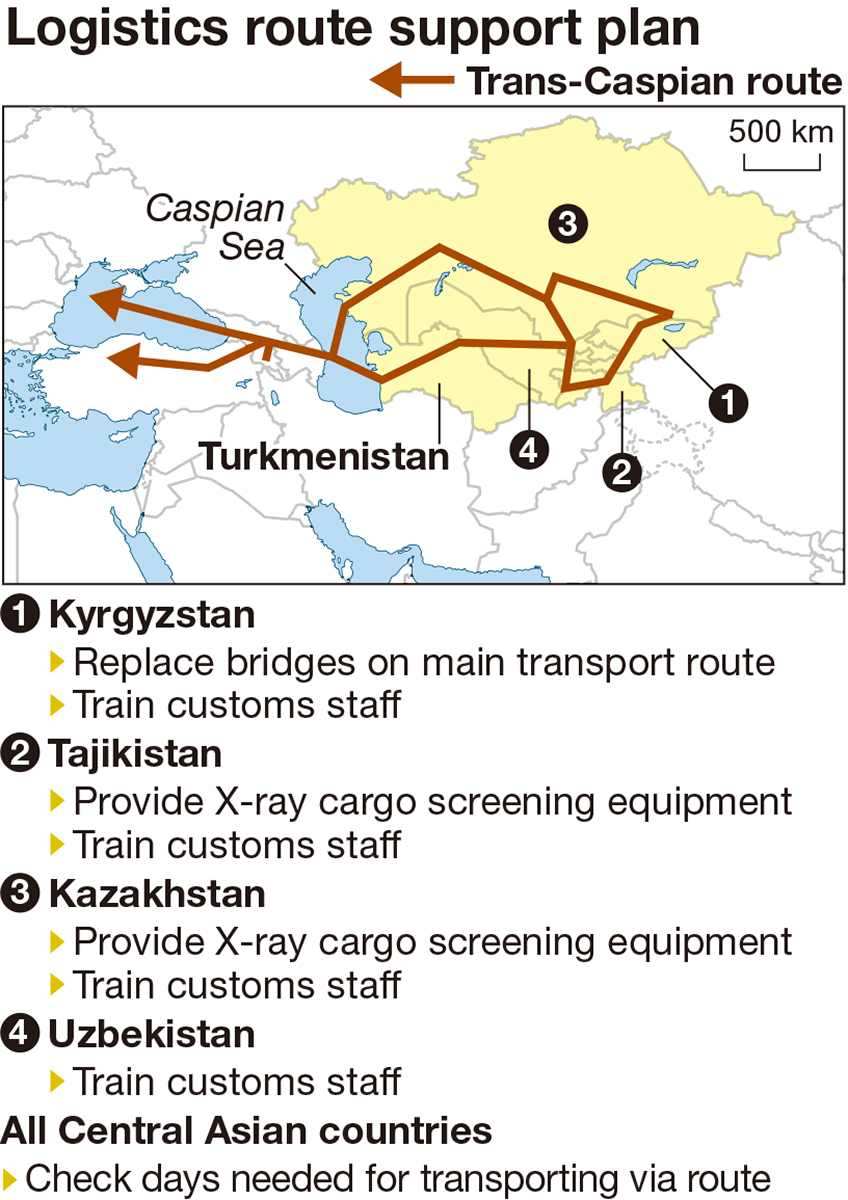
The primary focus is the Trans-Caspian International Transport Route connecting eastern Kazakhstan with the Caspian and Black Seas. The importance of the logistics route has increased since Moscow’s aggression against Ukraine as an alternative to avoid Russia. Japanese companies have used it for exports from Central Asia to Europe.
Infrastructure development in Central Asia, including for the transportation and communications sectors, has lagged, with aging bridges and roads posing risks. The slow introduction of advanced scanning equipment at customs and other problems have caused lengthy clearance times.
Japan will survey the time it takes on the route in each Central Asian country, while working with international organizations to train customs officials.
In addition, Japan will help replace aging bridges on main roads in Kyrgyzstan and provide Tajikistan and Kazakhstan with large X-ray inspection machines for cargo screening. Japan will also check whether it is feasible to introduce cold chain logistics, a method of keeping food at low temperatures during transport, aiming to improve the livelihoods of people in Central Asian countries.




Most Read
Popular articles in the past 24 hours
-

Japan, U.S. Name 3 Inaugural Investment Projects; Reached Agreeme...
-

3 Brazilians Arrested for Stealing Toyota Land Cruiser; Trio Also...
-
Special Diet Session to Consider Budget, Proposed National Intell...
-

Security Services Law Unconstitutional: Do Not Restrict Career Ch...
-
New Leader of Japan's CRA Opposition Party Faces Challenge of For...
-
Takaichi Expected to Express Desire for Constitutional Revision P...
-

Tokyo Exhibition Featuring VR Walk Through 2025 Osaka-Kansai Expo...
-
Japanese Man Living in Iraq Suspected of Illegally Entering U.S. ...
Popular articles in the past week
-

Japan PM Takaichi’s Cabinet Resigns en Masse
-

Man Infected with Measles Reportedly Dined at Restaurant in Tokyo...
-

Videos Plagiarized, Reposted with False Subtitles Claiming ‘Ryuky...
-

Sanae Takaichi Elected 105th Prime Minister of Japan; Keeps All C...
-

Japan's Govt to Submit Road Map for Growth Strategy in March, PM ...
-

Milano Cortina 2026: Figure Skaters Riku Miura, Ryuichi Kihara Pa...
-

Tokyo’s New Record-Breaking Fountain Named ‘Tokyo Aqua Symphony’
-

Bus Carrying 40 Passengers Catches Fire on Chuo Expressway; All E...
Popular articles in the past month
-
Japan PM Takaichi’s Cabinet Resigns en Masse
-

Japan Institute to Use Domestic Commercial Optical Lattice Clock ...
-

Israeli Ambassador to Japan Speaks about Japan’s Role in the Reco...
-
Man Infected with Measles Reportedly Dined at Restaurant in Tokyo...
-

Man Infected with Measles May Have Come in Contact with Many Peop...
-

Prudential Life Insurance Plans to Fully Compensate for Damages C...
-
Videos Plagiarized, Reposted with False Subtitles Claiming ‘Ryuky...
-

Woman with Measles Visited Hospital in Tokyo Multiple Times Befor...
Top Articles in Politics
-
Japan PM Takaichi’s Cabinet Resigns en Masse
-
Sanae Takaichi Elected 105th Prime Minister of Japan; Keeps All Cabinet Appointees from Previous Term
-
Japan’s Govt to Submit Road Map for Growth Strategy in March, PM Takaichi to Announce in Upcoming Policy Speech
-

LDP Wins Historic Landslide Victory
-

LDP Wins Landslide Victory, Secures Single-party Majority; Ruling Coalition with JIP Poised to Secure Over 300 seats (UPDATE 1)
JN ACCESS RANKING
-
Japan PM Takaichi’s Cabinet Resigns en Masse
-
Japan Institute to Use Domestic Commercial Optical Lattice Clock to Set Japan Standard Time
-
Israeli Ambassador to Japan Speaks about Japan’s Role in the Reconstruction of Gaza
-
Man Infected with Measles Reportedly Dined at Restaurant in Tokyo Station
-
Man Infected with Measles May Have Come in Contact with Many People in Tokyo, Went to Store, Restaurant Around When Symptoms Emerged