
Japan Could Expand Tax Credits for Strategic Tech Investments, Eyeing Growth in AI, Semiconductors
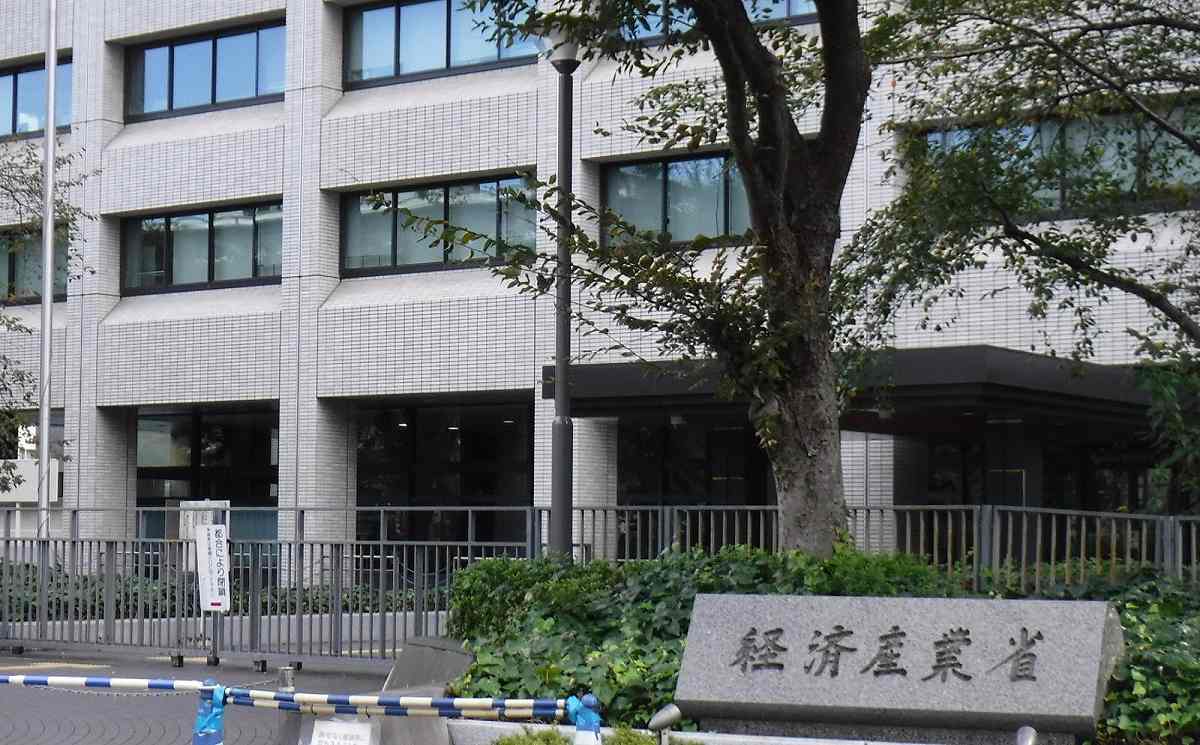
The Economy, Trade and Industry Ministry building in Chiyoda Ward, Tokyo
21:00 JST, November 27, 2025
Companies could use up to 40% of their R&D investment for tax credits under a plan for 2026 tax reform proposed by the Economy, Trade and Industry Ministry. The tax credits would be offered specifically for investments in the government’s six “national strategic technologies.”
The proposal to expand the R&D Tax Credit System is aimed at encouraging corporate investment in areas critical for economic security and industrial growth.
Earlier this month, an expert panel under the Cabinet Office announced six fields of technology that need strategic support: artificial intelligence and robotics; semiconductors and communications; space; quantum; fusion energy; and biotechnology and health care.
The ministry also proposed that as much as 50% of expenses be usable as credits for designated joint research with universities or institutions when that research is recognized as superior.
The R&D Tax Credit System allows private companies to deduct a percentage of their research and development expenses from their corporate taxes. There currently are two credit rates depending on the type of expense: up to 14% of total research expenses may be deducted, or up to 30% of expenses for joint or contract research with universities and other institutions, known as “open innovation.” A total of about ¥950 billion was deducted in fiscal 2023 under this system.
Global competition has been intense in critical technologies. In 2024, the United States designated AI, semiconductors and space, among other fields, as critical and emerging technologies and increased support in these areas. Germany launched a new strategy this year to focus investments on core technologies such as quantum, AI and energy. South Korea has introduced a 40% tax credit for investments in semiconductors and batteries.
As the R&D Tax Credit System and similar measures lower corporate taxes under certain conditions, some have argued that they should be scaled back to secure more revenue once the provisional gasoline tax surcharge is ended. The government and ruling parties will discuss the ministry’s plan to expand the credits, but negotiations are expected to be difficult.


Related Tags

Most Read
Popular articles in the past 24 hours
-

Japanese Shipping Giants Halt Strait of Hormuz Transit as Iran Co...
-

U.S. Launches Attacks on Iran: Avoid Escalation of Conflict by An...
-

Improvement of Japanese Language Schools Lags Rise in Foreigners
-
Rental Lab Space in Tokyo Area More Than Doubles Since 2010, Offe...
-
Parents of Japanese Teen Shot in U.S. Strive for Gun Control
-

Sawtooth Roof Factory Stands as Monument to Ashikaga Textile Hist...
-
Disinformation Spreads About Team Mirai, Ballot Readers; Online P...
-
Bank of Japan Deputy Governor Says Rate Hikes Likely to Continue
Popular articles in the past week
-

Nepal Bus Crash Kills 19 People, Injures 25 Including One Japanes...
-
Milano Cortina 2026: Japanese Gold Medalist Figure Skater Miura S...
-
Tokyo Spends Big on Children, Wins Over Parents
-

McDonald's Japan Raises Prices; Big Mac to Cost ¥500, Double Chee...
-

‘Dry Bonsai’ Gives New Life to Withered Trees, Allows Free Artist...
-
Japan’s Miura, Kihara Announce Withdrawal from Figure Skating Wor...
-

Exhibition Featuring Yoshiharu Tsuge’s Manga World Underway in Ch...
-

Yokohama to Test Out Renewable-Powered Offshore Floating Data Cen...
Popular articles in the past month
-

Producer Behind Pop Group XG Arrested for Cocaine Possession
-

Japan PM Takaichi’s Cabinet Resigns en Masse
-

Man Infected with Measles Reportedly Dined at Restaurant in Tokyo...
-

Israeli Ambassador to Japan Speaks about Japan’s Role in the Reco...
-

Videos Plagiarized, Reposted with False Subtitles Claiming ‘Ryuky...
-

Man Infected with Measles May Have Come in Contact with Many Peop...
-

Prudential Life Insurance Plans to Fully Compensate for Damages C...
-

Woman with Measles Visited Hospital in Tokyo Multiple Times Befor...
Top Articles in Politics
-
Japan PM Takaichi’s Cabinet Resigns en Masse
-

Sanae Takaichi Elected Prime Minister of Japan; Keeps All Cabinet Appointees from Previous Term
-

Japan’s Govt to Submit Road Map for Growth Strategy in March, PM Takaichi to Announce in Upcoming Policy Speech
-

LDP Wins Historic Landslide Victory
-

LDP Wins Landslide Victory, Secures Single-party Majority; Ruling Coalition with JIP Poised to Secure Over 300 seats (UPDATE 1)
JN ACCESS RANKING
-
Producer Behind Pop Group XG Arrested for Cocaine Possession
-
Japan PM Takaichi’s Cabinet Resigns en Masse
-
Man Infected with Measles Reportedly Dined at Restaurant in Tokyo Station
-
Israeli Ambassador to Japan Speaks about Japan’s Role in the Reconstruction of Gaza
-
Videos Plagiarized, Reposted with False Subtitles Claiming ‘Ryukyu Belongs to China’; Anti-China False Information Also Posted in Japan