
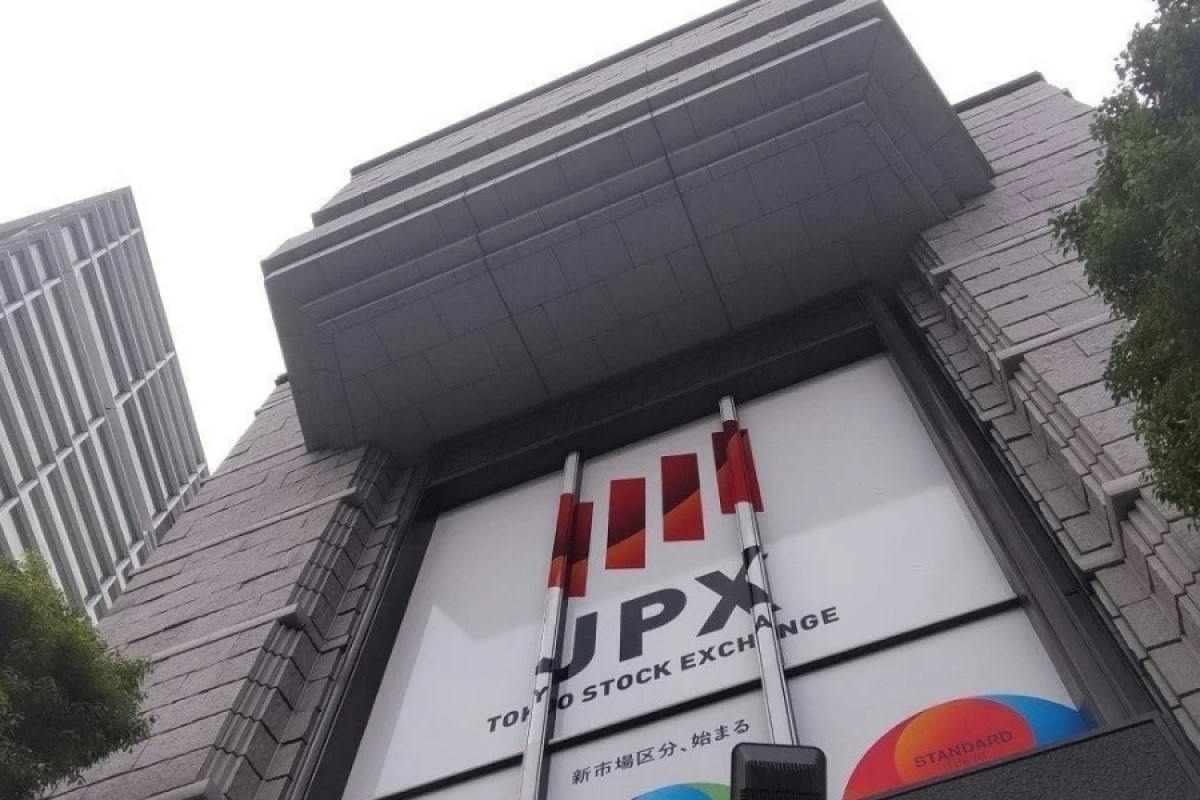
The Tokyo Stock Exchange
17:06 JST, January 13, 2026
Tokyo, Jan. 13 (Jiji Press)—Japan’s benchmark Nikkei 225 stock average finished above 53,000 for the first time on Tuesday, attracting buying on media reports that Japanese Prime Minister Sanae Takaichi is considering calling a snap general election.
The key index surged 1,609.27 points, or 3.09%, from Friday to close at 53,549.16, topping the previous all-time high of 52,518.08 marked on Jan. 6. The broader TOPIX index also renewed its record high, ending at 3,598.89, up 84.78 points, or 2.41%.
The Tokyo market was closed Monday for a national holiday.
Nikkei component issues saw broad buying after reports that Takaichi may dissolve the House of Representatives, the all-important lower chamber of Japan’s parliament, at the start of the ordinary parliament session set to be convened Jan. 23. Investors bought on hopes that her government would use a likely ruling bloc victory in the subsequent election to promote its expansionary fiscal policy, which is expected to boost stock prices and drive down the yen against the dollar, market sources said.
An official at a large securities firm said that the reports of a possible snap election were a surprise, adding that Tuesday’s buying was “a speculative move in reaction to something that was not planned in advance.”
The Nikkei’s climb was led by heavyweight semiconductor-related names such as chip test device maker Advantest, up 8.54%, and chipmaking equipment maker Tokyo Electron, up 8.23%. Automakers and banks also made large gains thanks to the weakening of the yen against the dollar.
The yield on the newest issue of 10-year Japanese government bonds, regarded as Japan’s benchmark long-term interest rate, rose to 2.16% in Tokyo interdealer bond trading Tuesday. The yield hit its highest level in about 26 years and 11 months after JGBs came under heavy selling on concerns that the expected promotion of aggressive spending following Takaichi’s possible general election victory would worsen Japan’s fiscal health.
In the Tokyo currency market, the yen sank to 158.75-76 against the dollar at 4 p.m., compared with 157.47-48 per dollar at 5 p.m. Friday. The Japanese currency briefly fell to its weakest level in about a year and a half.






Most Read
Popular articles in the past 24 hours
-

3,000 Accounts Posting, Spreading Content Critical of Japan on X;...
-

Milano Cortina 2026: Sakamoto Serves as Flag Bearer; Japan Earns ...
-

Milano Cortina 2026: There Were Cheers across the Country, after ...
-

A Packed Bus Plunges off a Nepal Highway, Killing 19 and Injuring...
-

Luna Sea Drummer Shinya Dies at 56; Powerful Drummer Behind ‘Desi...
-

Milano Cortina 2026: ‘Magical’ Italian Games Close wi...
-

Milano Cortina 2026: Riku-Ryu Duo Stick Together During Closing C...
-
Emperor Receives Well-Wishes from Public on His 66th Birthday
Popular articles in the past week
-

Japan PM Takaichi’s Cabinet Resigns en Masse
-

Man Infected with Measles Reportedly Dined at Restaurant in Tokyo...
-

Sanae Takaichi Elected Prime Minister of Japan; Keeps All Cabinet...
-

Japan's Govt to Submit Road Map for Growth Strategy in March, PM ...
-

Bus Carrying 40 Passengers Catches Fire on Chuo Expressway; All E...
-

U.S. Firm to Build Training Hub in Fukushima N-plant for Debris R...
-

Japan, U.S. Name 3 Inaugural Investment Projects; Reached Agreeme...
-

Riku-Ryu Pair Wins Gold Medal: Their Strong Bond Leads to Major C...
Popular articles in the past month
-
Japan PM Takaichi’s Cabinet Resigns en Masse
-

Japan Institute to Use Domestic Commercial Optical Lattice Clock ...
-

Israeli Ambassador to Japan Speaks about Japan’s Role in the Reco...
-
Man Infected with Measles Reportedly Dined at Restaurant in Tokyo...
-

Videos Plagiarized, Reposted with False Subtitles Claiming ‘Ryuky...
-

Man Infected with Measles May Have Come in Contact with Many Peop...
-

Prudential Life Insurance Plans to Fully Compensate for Damages C...
-

Woman with Measles Visited Hospital in Tokyo Multiple Times Befor...
Top Articles in News Services
-
Survey Shows False Election Info Perceived as True
-

Prudential Life Expected to Face Inspection over Fraud
-
Hong Kong Ex-Publisher Jimmy Lai’s Sentence Raises International Outcry as China Defends It
-

Japan’s Nikkei Stock Average Touches 58,000 as Yen, Jgbs Rally on Election Fallout (UPDATE 1)
-
Japan’s Nikkei Stock Average Falls as US-Iran Tensions Unsettle Investors (UPDATE 1)
JN ACCESS RANKING
-
Japan PM Takaichi’s Cabinet Resigns en Masse
-
Japan Institute to Use Domestic Commercial Optical Lattice Clock to Set Japan Standard Time
-
Israeli Ambassador to Japan Speaks about Japan’s Role in the Reconstruction of Gaza
-
Man Infected with Measles Reportedly Dined at Restaurant in Tokyo Station
-
Videos Plagiarized, Reposted with False Subtitles Claiming ‘Ryukyu Belongs to China’; Anti-China False Information Also Posted in Japan