
US Forces Seize Seventh Sanctioned Tanker Linked to Venezuela in Trump’s Effort to Control Its Oil
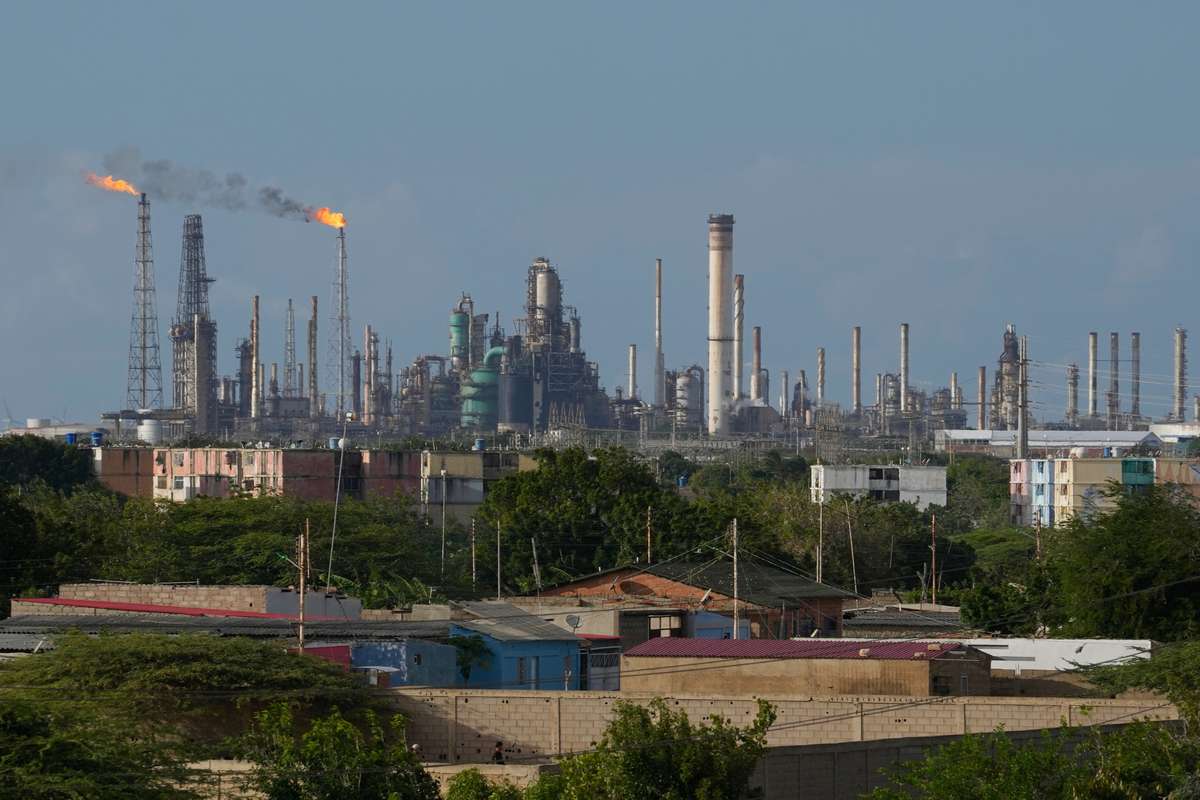
Flames rise from flare stacks at the Amuay refinery in Los Taques, Venezuela, Wednesday, Jan. 14, 2026.
10:56 JST, January 21, 2026
WASHINGTON (AP) — U.S. military forces boarded and took control of a seventh oil tanker connected with Venezuela on Tuesday as part of the Trump administration’s broader efforts to take control of the South American country’s oil.
U.S. Southern Command said in a social media post that U.S. forces apprehended the Motor Vessel Sagitta “without incident” and that the tanker was operating in defiance of President Donald Trump’s “established quarantine of sanctioned vessels in the Caribbean.”
The military command did not say whether the U.S. Coast Guard took control of the tanker as has been the case in prior seizures. Both the Pentagon and Southern Command said they had nothing to add when asked for more details.
The Sagitta is a Liberian-flagged tanker and its registration says it is owned and managed by a company in Hong Kong. The ship last transmitted its location more than two months ago when exiting the Baltic Sea in northern Europe.
The tanker was sanctioned by the U.S. Treasury Department under an executive order related to Russia’s invasion of Ukraine in 2022.
The post from U.S. Southern Command indicated the ship had taken oil from Venezuela. It said the capture of the tanker “demonstrates our resolve to ensure that the only oil leaving Venezuela will be oil that is coordinated properly and lawfully.”
The military command posted what appeared to be aerial footage of the Sagitta sailing on the ocean, but unlike in prior videos the clip did not show U.S. forces flying toward it in helicopters or landing on the deck of the ship.
Since the U.S. ouster of Venezuela President Nicolás Maduro in a surprise nighttime raid on Jan. 3, the Trump administration has set out to control the production, refining and global distribution of Venezuela’s oil products.
Officials in Trump’s Republican administration have made it clear they see seizing the tankers as a way to generate cash as they seek to rebuild Venezuela’s battered oil industry and restore its economy.
Trump met with executives from oil companies nearly two weeks ago to discuss his goal of investing $100 billion in Venezuela to repair and upgrade its oil production and distribution. He said at the time that the U.S. expected to sell at least 30 million to 50 million barrels of Venezuelan oil.
Trump told reporters on Tuesday that the U.S. already has taken 50 million barrels of oil out of Venezuela.
“We’ve got millions of barrels of oil left,” he said at the White House. “We’re selling it on the open market. We’re bringing down oil prices incredibly.”
The first tanker was seized off the coast of Venezuela on Dec. 10. Most of the other tankers also have been captured in the waters near Venezuela, with the exception of the Bella 1, which was captured in the North Atlantic.
The Bella 1 had been cruising across the Atlantic and nearing the Caribbean when on Dec. 15 it abruptly turned and headed north, toward Europe. The ship was ultimately captured on Jan. 7.




Most Read
Popular articles in the past 24 hours
-

China’s National People’s Congress Opens: Military Expansion Cont...
-

Samurai Japan Beats Taiwan in its First World Baseball Classic Ga...
-
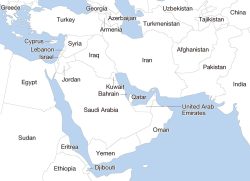
Japanese Nationals in 4 Gulf Countries to Be Evacuated with Chart...
-
Japan's DPFP to Join Natl Council Considering Tax Cut Measures
-
Japan, Canada to Launch Strategic Roadmap on Defense, Economic Se...
-
Excited Baseball Fans Gather at Tokyo Dome Ahead of Japan's Openi...
-
AI Can't Be Listed as Inventor on Patent Applications, Japan's To...
-

CARTOON OF THE DAY (March 6)
Popular articles in the past week
-
South Korea Tightens Rules on Foreigners Buying Homes in Seoul Me...
-
2 Unpublished Early Novellas by Japan's Kenzaburo Oe Discovered, ...
-

Ibaraki Pref.'s 1st Foreign Bus Driver Hired in Tsukuba
-
Strait of Hormuz Closure Shakes Markets; Prolonged Closure Could ...
-
Amid Strait of Hormuz Blockade, Shipping Companies Scramble to Ge...
-

Iran Situation: Japan Must Exert Diplomatic Efforts without Merel...
-
Measles Patient Visited Hospital in Bunkyo Ward, Tokyo, Metropoli...
-

Tokyo’s ‘Strawberry War’ Intensifies as Producers Vie to Become ‘...
Popular articles in the past month
-

Producer Behind Pop Group XG Arrested for Cocaine Possession
-

Japan PM Takaichi’s Cabinet Resigns en Masse
-

Man Infected with Measles Reportedly Dined at Restaurant in Tokyo...
-

Videos Plagiarized, Reposted with False Subtitles Claiming ‘Ryuky...
-

Prudential Life Insurance Plans to Fully Compensate for Damages C...
-

Woman with Measles Visited Hospital in Tokyo Multiple Times Befor...
-

iPS Treatments Pass Key Milestone, but Broader Applications Far f...
-

Sanae Takaichi Elected Prime Minister of Japan; Keeps All Cabinet...
Top Articles in News Services
-
Survey Shows False Election Info Perceived as True
-
Hong Kong Ex-Publisher Jimmy Lai’s Sentence Raises International Outcry as China Defends It
-

Japan’s Nikkei Stock Average Falls as US-Iran Tensions Unsettle Investors (UPDATE 1)
-
Japan’s Nikkei Stock Average Touches 58,000 as Yen, Jgbs Rally on Election Fallout (UPDATE 1)
-
Japan’s Nikkei Stock Average Rises on Tech Rally and Takaichi’s Spending Hopes (UPDATE 1)
JN ACCESS RANKING
-
Producer Behind Pop Group XG Arrested for Cocaine Possession
-
Japan PM Takaichi’s Cabinet Resigns en Masse
-
Man Infected with Measles Reportedly Dined at Restaurant in Tokyo Station
-
Videos Plagiarized, Reposted with False Subtitles Claiming ‘Ryukyu Belongs to China’; Anti-China False Information Also Posted in Japan
-
Prudential Life Insurance Plans to Fully Compensate for Damages Caused by Fraudulent Actions Without Waiting for Third-Party Committee Review