
Sawtooth Roof Factory Stands as Monument to Ashikaga Textile History in Tochigi Pref., Japan
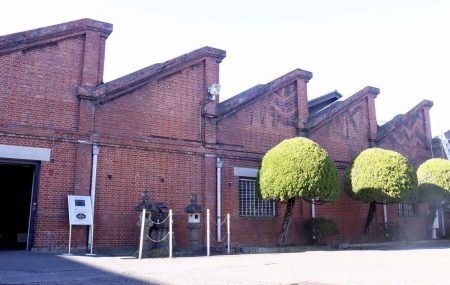
The Tochisen factory’s brick exterior and sawtooth roofline
15:10 JST, March 2, 2026
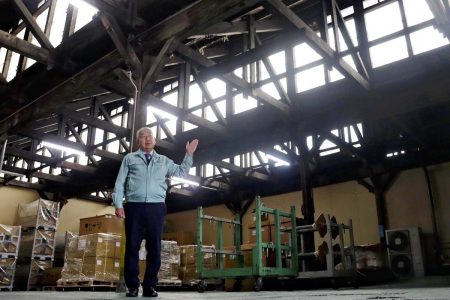
North-facing windows are designed to provide natural light without damaging fabrics.
ASHIKAGA, Tochigi — A striking sawtooth roofline and imposing red-brick walls define the Tochisen factory, a site that has anchored the local community since it was run by Ashikaga Orimono, which began operations in 1914.
More than just a manufacturing plant, the facility serves as a cherished monument to the industrial grit of a region once known for its thriving textile industry.
In its infancy, Ashikaga Orimono churned out the cotton textiles that drove Japan’s export engine. The fragility of those products remains etched into the plant’s architecture, which was designed specifically to handle the most delicate of materials.
The plant’s sawtooth roofline was built for a reason: to hold windows that face north. This keeps out harsh ultraviolet rays that could degrade fabric. It also ensures a steady, uniform light, ideal for craftsmen checking the quality of their finished products.
The exterior is clad in bricks from Nippon Brick Manufacturing Co., a firm that legendary industrialist and entrepreneur Eiichi Shibusawa helped establish. The bricks are the very same as used for the iconic Tokyo Station building.
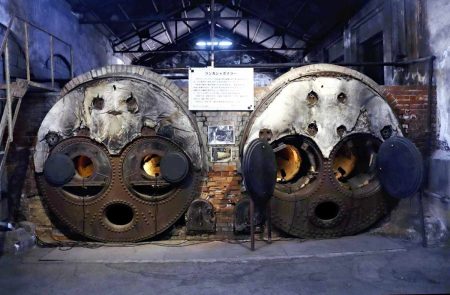
Original boilers once used to power the factory
Inside, the original boilers that once powered the plant remain intact, standing taller than a person. Their massive heft still conveys the energy of Japan’s early industrial boom.
During World War II, the facility was converted for military production, turning out such items as parachutes for pilots, before returning to its textile roots after the war.
The factory was thrust into the spotlight for the 1964 Tokyo Olympics. As part of an insurance company’s promotional campaign, the firm received a massive order to produce 1 million of Japan’s national flag, the Hinomaru.
The challenge was not just the sheer volume, but the technical difficulty of dyeing both sides of a thin fabric with uniform intensity. After major manufacturers turned down the job, the company was tapped in their stead, due to its reputation for superior dyeing techniques, and it successfully set the Hinomaru fluttering across the nation.
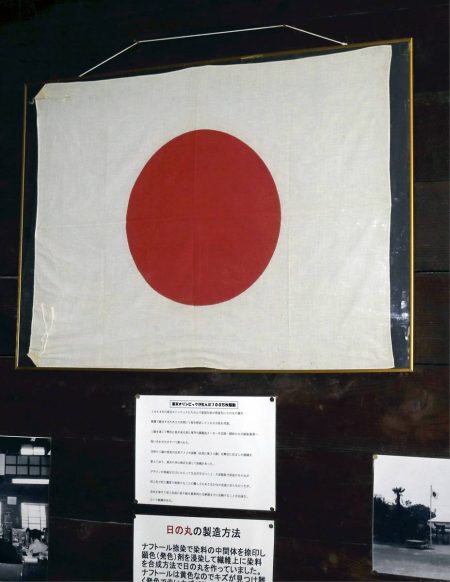
The factory produced 1 million Hinomaru flags for the 1964 Tokyo Olympics.
The business has continued to evolve alongside the changing times. Today, Tochisen focuses primarily on film dyeing and specialized processing, and it even produced medical face shields to meet the surge in demand for protection during the COVID-19 pandemic.
In recent years, the factory has gained fresh attention as a filming location, its well-preserved prewar and postwar atmosphere providing a backdrop for television dramas and movies.
“It is the mission of those who inherited this site to preserve it as a building the local community can be proud of,” said Shunji Akikusa, the company’s chairman.
Tochisen
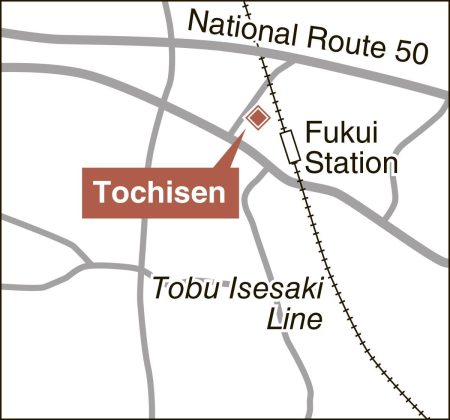
Address: 1143 Fukuicho, Ashikaga, Tochigi Prefecture
Access: A 3-minute walk from Fukui Station on the Tobu Isesaki Line
Note: The interior is not open to the general public, although exceptions may be made for groups upon request.


Related Tags

Most Read
Popular articles in the past 24 hours
-

Improvement of Japanese Language Schools Lags Rise in Foreigners
-
Japan's Test-Takers in Sapporo Offered Special Accommodation Arra...
-
Rental Lab Space in Tokyo Area More Than Doubles Since 2010, Offe...
-

Japanese Shipping Giants Halt Strait of Hormuz Transit as Iran Co...
-
Architourism: Rediscover the Value, Appeal of Famous Structures
-

At Least 6 Killed as Shiites Storm U.S. Consulate in Pakistan ove...
-

Bank of Japan Deputy Governor Says Rate Hikes Likely to Continue
-
Japanese Government Bonds Rally, Yields Tumble as Iran Strikes Sp...
Popular articles in the past week
-

Nepal Bus Crash Kills 19 People, Injures 25 Including One Japanes...
-
Milano Cortina 2026: Japanese Gold Medalist Figure Skater Miura S...
-
Tokyo Spends Big on Children, Wins Over Parents
-

McDonald's Japan Raises Prices; Big Mac to Cost ¥500, Double Chee...
-
‘Dry Bonsai’ Gives New Life to Withered Trees, Allows Free Artist...
-

Japan’s Miura, Kihara Announce Withdrawal from Figure Skating Wor...
-
Exhibition Featuring Yoshiharu Tsuge’s Manga World Underway in Ch...
-

Yokohama to Test Out Renewable-Powered Offshore Floating Data Cen...
Popular articles in the past month
-

Producer Behind Pop Group XG Arrested for Cocaine Possession
-

Japan PM Takaichi’s Cabinet Resigns en Masse
-

Man Infected with Measles Reportedly Dined at Restaurant in Tokyo...
-

Israeli Ambassador to Japan Speaks about Japan’s Role in the Reco...
-

Videos Plagiarized, Reposted with False Subtitles Claiming ‘Ryuky...
-

Man Infected with Measles May Have Come in Contact with Many Peop...
-

Prudential Life Insurance Plans to Fully Compensate for Damages C...
-

Woman with Measles Visited Hospital in Tokyo Multiple Times Befor...
Top Articles in Features
-
Tokyo’s New Record-Breaking Fountain Named ‘Tokyo Aqua Symphony’
-
Sapporo Snow Festival Opens with 210 Snow and Ice Sculptures at 3 Venues in Hokkaido, Features Huge Dogu
-

High-Hydration Bread on the Rise, Seeing Increase in Specialty Shops, Recipe Searches
-
Heirs to Kyoto Talent: Craftsman Works to Keep Tradition of ‘Kinran’ Brocade Alive Through Initiatives, New Creations
-

Maltese Pavilion’s Famous Ftira Bread Now Available in Osaka; Loaves Became Popular during 2025 Osaka-Kansai Expo
JN ACCESS RANKING
-
Producer Behind Pop Group XG Arrested for Cocaine Possession
-
Japan PM Takaichi’s Cabinet Resigns en Masse
-
Man Infected with Measles Reportedly Dined at Restaurant in Tokyo Station
-
Israeli Ambassador to Japan Speaks about Japan’s Role in the Reconstruction of Gaza
-
Videos Plagiarized, Reposted with False Subtitles Claiming ‘Ryukyu Belongs to China’; Anti-China False Information Also Posted in Japan