
Revision of Medical Service Fees: Promote Steady Wage Increases for Medical Personnel
15:49 JST, December 26, 2025
Wages for nurses, pharmacists and other medical personnel have not been as high as those for workers at businesses in general, where there is a trend toward wage increases. It can be said that a path to improving wages for medical personnel has finally been established.
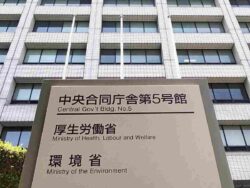
The government has decided to significantly raise medical service fees — which are paid to medical institutions as compensation for medical services — starting in fiscal 2026.
Specifically, the core portion of the fees, allocated for labor costs for workers such as doctors, nurses and pharmacists, will be increased by 3.09%. On the other hand, the portion for drug prices will be reduced by 0.87%. Overall, medical service fees will see a 2.22% increase.
This marks the first overall upward revision rate in 12 years and the first time the revision rate of the core portion has exceeded 3% in 30 years.
As medical expenses have ballooned due to aging populations, overall medical service fees have continually been revised downward. Consequently, medical institutions have faced a growing financial strain.
In fiscal 2024, 49% of hospitals recorded current account deficits, according to a government survey of the finances of medical corporations. Few medical institutions have the financial leeway to raise wages.
Compensation for medical services is determined based on the government-set medical fees. Medical institutions cannot on their own collect funds for raising wages from patients.
However, medical personnel are essential workers who support the lives and health of the public. It is understandable that the government should raise the fees to increase wages in medical settings.
The important thing is to ensure that this revision actually leads to wage increases.
Medical institutions are allowed to decide at their own discretion how to use fees for initial and subsequent visits, which are central to medical service fees. For that reason, this money could be allocated to not only wage increases but also facility improvements and repairs, among other purposes.
Last year, the government established an “evaluation fee for pay scale hikes,” which medical institutions are required to spend on wage increases, as an additional fee.
Around February, a decision will be made on points that medical institutions receive for initial and subsequent visits, the evaluation fee and other charges, with these points determining reimbursement from the government. Maybe the government should increase the evaluation fee. It is also necessary to keep track of the wage hike situation at medical institutions.
The increase in medical service fees is likely to raise medical costs by over ¥1 trillion annually. The rise in costs will be covered by taxes, social insurance premiums and patients’ copayments.
Although it is important to improve wages for medical personnel, the burden will only continue to grow unless the social security system is further reformed.
As the government compiled the budget for the next fiscal year, it sought to raise patients’ copayments for both the high-cost medical expense benefit system and drugs with ingredients similar to those of over-the-counter products.
It is crucial for the government to advance reforms while taking a comprehensive view of the entire social security system and gaining public understanding.
(From The Yomiuri Shimbun, Dec. 26, 2025)



Most Read
Popular articles in the past 24 hours
-

TEPCO's Rebuilding Still Far from Complete; Effects of 2011 Fukus...
-

78% Interested in Reconstruction from 2011 Disaster; Concern High...
-

Japan’s Nikkei Stock Average Rise Lifted by AI Stocks, Easing Con...
-

2 Mt. Fuji Hikers Identified as Police Warn People Not to Climb i...
-

15 Years since Great East Japan Earthquake: How Can Affected Area...
-

Parents in Japan to Get Instagram Notifications When Teens Repeat...
-

Italy Shocks U.S. in World Baseball Classic Pool Game
-

Tokyo Conference 2026 Opens, Discusses Rebuilding Multilateralism...
Popular articles in the past week
-

Ibaraki Pref.'s 1st Foreign Bus Driver Hired in Tsukuba
-

Nippon Life Insurance's U.S. Arm Sues OpenAI Over Legal Assistanc...
-

Govt to Utilize ODA for Ensuring Economic Security; Securing Ener...
-

Amid Strait of Hormuz Blockade, Shipping Companies Scramble to Ge...
-
Japan Govt Survey Finds Just 10% of Workers Want Working Hours to...
-

Japan's 2nd Round of U.S. Investments May Be Worth Over $100 Bill...
-

Beckoning Cats Get Makeover to Fit Modern Lifestyles with Sleek D...
-

Imperial Family Watches World Baseball Classic Game Against Austr...
Popular articles in the past month
-

Producer Behind Pop Group XG Arrested for Cocaine Possession
-

Japan PM Takaichi’s Cabinet Resigns en Masse
-

Man Infected with Measles Reportedly Dined at Restaurant in Tokyo...
-

Videos Plagiarized, Reposted with False Subtitles Claiming ‘Ryuky...
-

iPS Treatments Pass Key Milestone, but Broader Applications Far f...
-

Sanae Takaichi Elected Prime Minister of Japan; Keeps All Cabinet...
-

Nepal Bus Crash Kills 19 People, Injures 25 Including One Japanes...
-

South Korea Tightens Rules on Foreigners Buying Homes in Seoul Me...
Top Articles in Editorial & Columns
-

Riku-Ryu Pair Wins Gold Medal: Their Strong Bond Leads to Major Comeback Victory
-
Reciprocal Tariffs Ruled Illegal: Judiciary Would Not Tolerate President’s High-Handed Approach
-
Flu Cases Surging Again: Infection Can Also Be Prevented by Humidifying Indoor Spaces
-
Japan’s Plan for Investment in U.S.: Aim for Mutual Development by Ensuring Profitability
-

Chronic Issues Erode Thailand’s Economy as Political Confusion Persists, Threatening Terminal Decline in Its Economy
JN ACCESS RANKING
-
Producer Behind Pop Group XG Arrested for Cocaine Possession
-
Japan PM Takaichi’s Cabinet Resigns en Masse
-
Man Infected with Measles Reportedly Dined at Restaurant in Tokyo Station
-
Videos Plagiarized, Reposted with False Subtitles Claiming ‘Ryukyu Belongs to China’; Anti-China False Information Also Posted in Japan
-
iPS Treatments Pass Key Milestone, but Broader Applications Far from Guaranteed