
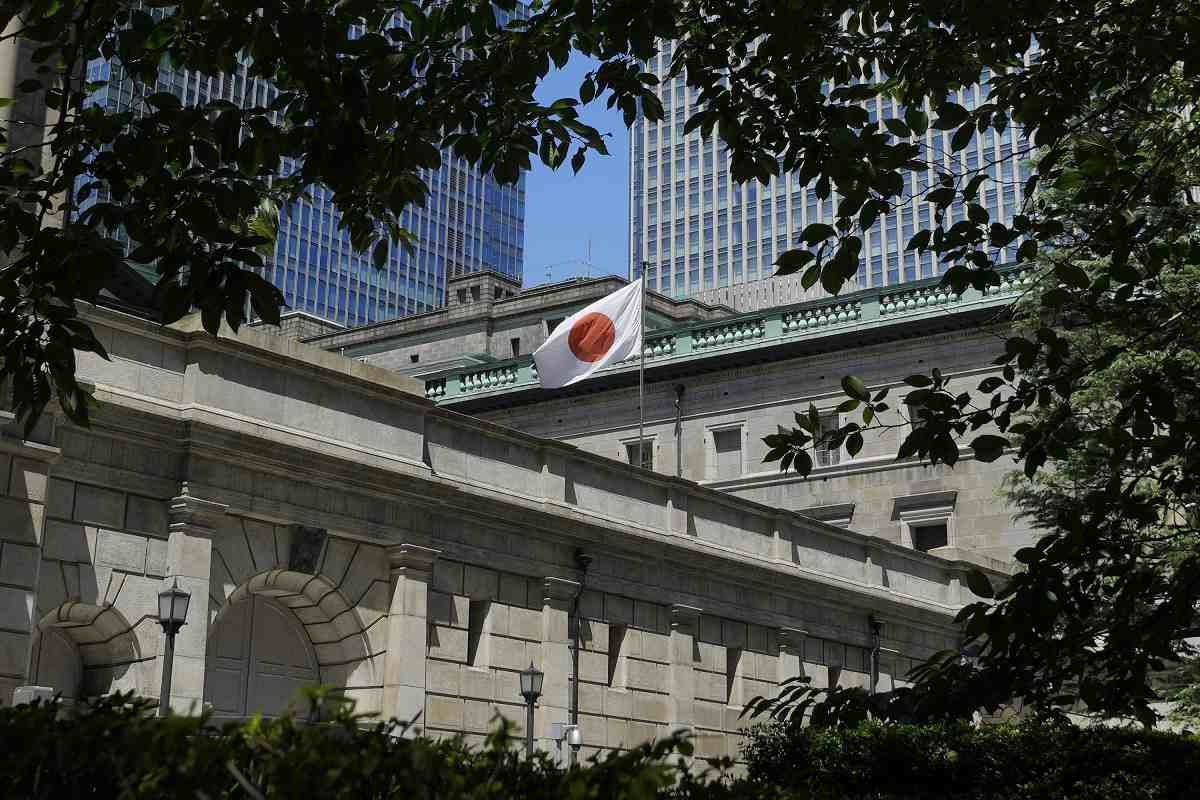
The Bank of Japan
10:39 JST, August 22, 2025
TOKYO (Reuters) — Japan’s core inflation slowed for a second straight month in July but stayed above the central bank’s 2% target, keeping alive market expectations for another interest rate hike in the coming months.
The nationwide core consumer price index (CPI), which excludes fresh food items, rose 3.1% in July from a year earlier, government data showed on Friday, faster than a median market forecast for a 3.0% gain.
The rise was smaller than the 3.3% increase in June, due largely to the base effect of last year’s increase in energy prices, which came from the termination of government subsidies to curb fuel bills.
Inflation is clearly slowing from May, when it hit 3.7%, and is expected to continue easing for the rest of the year due to a moderation in rice price surges and the resumption of energy subsidies, said Kazutaka Maeda, economist at Meiji Yasuda Research Institute.
Still, inflation remains elevated. The price situation continues to support the case for the BOJ (Bank of Japan) to raise interest rates, he said, adding that a rate hike could come as early as October.
Energy prices fell 0.3%, the first year-on-year drop since March last year. But food inflation, excluding volatile fresh products, accelerated to 8.3% in July from 8.2% in June, suggesting that rising living costs continued to pressure households.
A separate index that strips away both fresh food and fuel costs — closely watched by the BOJ as a measure of domestic demand-driven prices — rose 3.4% in July from a year earlier after increasing by the same rate in June.
Rising food and raw material costs have kept Japan’s core inflation above the BOJ’s 2% target for well over three years, causing some policymakers to worry about second-round price effects.
The BOJ last year exited a decade-long, massive stimulus and raised short-term interest rates to 0.5% in January on the view Japan was close to durably hitting its 2% inflation target.
While the bank revised up its inflation forecasts last month, Governor Kazuo Ueda has stressed the need to tread cautiously on further rate hikes, due to an expected hit to the economy from U.S. tariffs.
The Japanese economy has been showing resilience even though sweeping U.S. tariffs are dragging down exports.
Last week’s unexpectedly strong second-quarter gross domestic product data, combined with a U.S.-Japan trade deal struck last month, has fueled market expectations that a tariff-driven recession will be averted — bolstering the case for another rate hike later this year.
Some analysts also point to Washington’s pressure for more rate hikes, following rare and explicit comments from U.S. Treasury Secretary Scott Bessent who said the BOJ was “behind the curve” on policy.
The latest Reuters poll showed 63% of economists surveyed this month expect the central bank to raise base borrowing costs to at least 0.75% from 0.50% by the end of this year, an increase from 54% in last month’s poll.





Most Read
Popular articles in the past 24 hours
-

Japanese Watermelon Shipments Starts in Leading Production Distri...
-

Takeshima Day: Persistently Demanding Resolution from South Korea...
-
Tokyo Skytree Observation Deck Remains Closed for Inspection afte...
-

Impact on Japanese Economy Unclear with Trump’s New Tariffs, Shif...
-
CARTOON OF THE DAY (February 25)
-

Hanzomon Line Service Suspended between Kudanshita, Oshiage Stati...
-
Hanzomon Line Service Resumes
-
Japan GSDF, Indian Army Begin Joint Antiterror Drills
Popular articles in the past week
-

Producer Behind Pop Group XG Arrested for Cocaine Possession
-

iPS Treatments Pass Key Milestone, but Broader Applications Far f...
-

Japan, U.S. Name 3 Inaugural Investment Projects; Reached Agreeme...
-

Tokyo Skytree's Elevator Stops, Trapping 20 People; All Rescued (...
-

Japan’s Major Real Estate Firms Expanding Overseas Businesses to ...
-

Baby Monkey Punch Captures Hearts at Chiba Pref. Zoo, on Social M...
-

Milano Cortina 2026: Japanese Figure Skater Kaori Sakamoto’...
-
Reciprocal Tariffs Ruled Illegal: Judiciary Would Not Tolerate Pr...
Popular articles in the past month
-
Producer Behind Pop Group XG Arrested for Cocaine Possession
-

Japan PM Takaichi’s Cabinet Resigns en Masse
-

Japan Institute to Use Domestic Commercial Optical Lattice Clock ...
-

Man Infected with Measles Reportedly Dined at Restaurant in Tokyo...
-

Israeli Ambassador to Japan Speaks about Japan’s Role in the Reco...
-

Videos Plagiarized, Reposted with False Subtitles Claiming ‘Ryuky...
-

Man Infected with Measles May Have Come in Contact with Many Peop...
-

Prudential Life Insurance Plans to Fully Compensate for Damages C...
Top Articles in Business
-
Prudential Life Insurance Plans to Fully Compensate for Damages Caused by Fraudulent Actions Without Waiting for Third-Party Committee Review
-
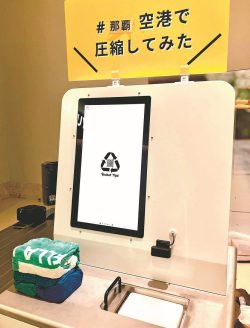
Narita Airport, Startup in Japan Demonstrate Machine to Compress Clothes for Tourists to Prevent People from Abandoning Suitcases
-
Japan, U.S. Name 3 Inaugural Investment Projects; Reached Agreement After Considerable Difficulty
-

Toyota Motor Group Firm to Sell Clean Energy Greenhouses for Strawberries
-

SoftBank Launches AI Service for Call Centers That Converts Harsh Customer Voices into Softer Voices
JN ACCESS RANKING
-
Producer Behind Pop Group XG Arrested for Cocaine Possession
-
Japan PM Takaichi’s Cabinet Resigns en Masse
-
Man Infected with Measles Reportedly Dined at Restaurant in Tokyo Station
-
Israeli Ambassador to Japan Speaks about Japan’s Role in the Reconstruction of Gaza
-
Videos Plagiarized, Reposted with False Subtitles Claiming ‘Ryukyu Belongs to China’; Anti-China False Information Also Posted in Japan