
Tepco’s Rebuilding Still Far from Complete; Effects of 2011 Fukushima Accident Still Hang over Firm’s Head 15 Years Later
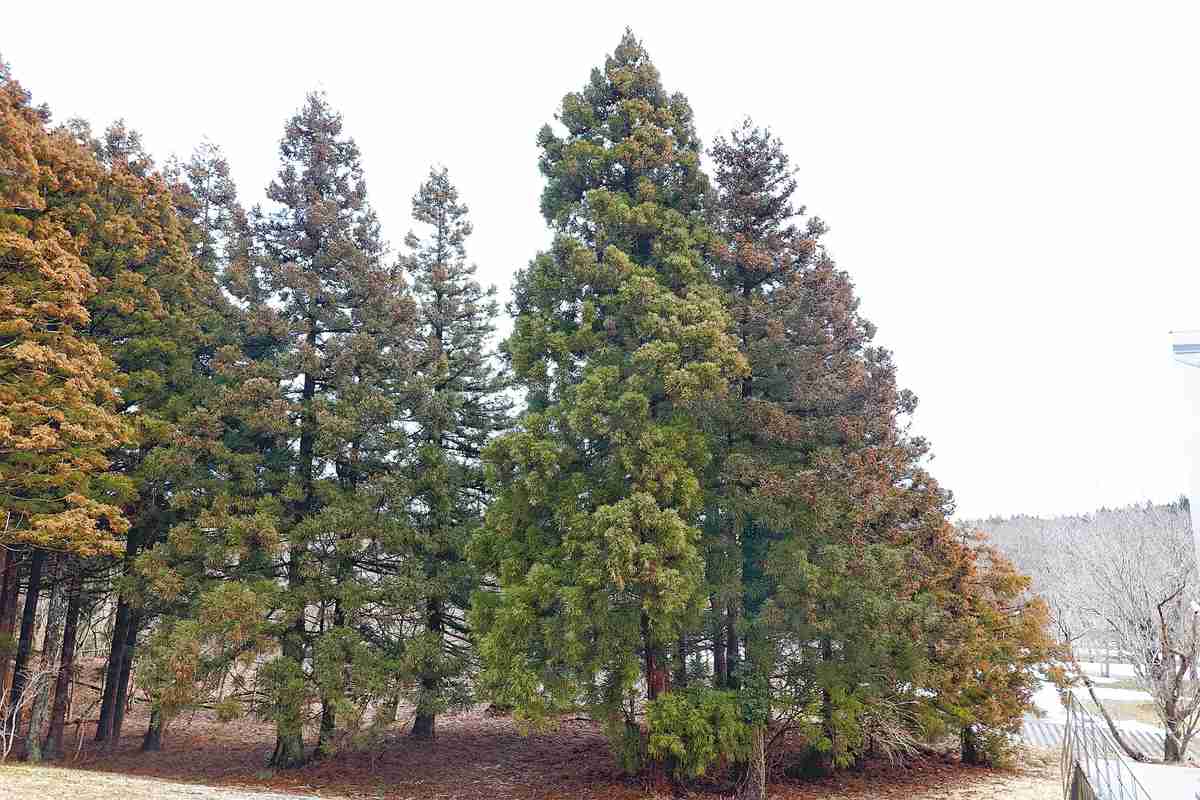
The planned construction site for Tokyo Electric Power Company Holdings, Inc.’s Higashidori nuclear plant in Higashidori, Aomori Prefecture
2:00 JST, March 11, 2026
Tokyo Electric Power Company Holdings, Inc. is still groping for ways to rebuild itself, even as Wednesday marks the 15th anniversary of the Great East Japan Earthquake in 2011 that caused the accident at the Fukushima No. 1 nuclear power plant.
“Our basic focus is on fulfilling our responsibility to Fukushima. No matter how high the hurdles might be, we must overcome them,” TEPCO President Tomoaki Kobayakawa said in an interview with The Yomiuri Shimbun.
After the accident, TEPCO was effectively nationalized, and the government took on responsibility for the decommissioning of damaged facilities.
In January, TEPCO received government approval for its restructuring plan; the company is now seeking firms to partner with.
The government estimates the costs of dealing with the accident, including those of decommissioning nuclear reactors, decontamination and paying compensation for damage caused by the accident, will total ¥23.4 trillion, of which TEPCO is expected to shoulder about ¥17 trillion.
However, these figures could rise since full-scale removal of nuclear fuel debris, which is the most difficult step in the decommissioning process, has not yet started, and the work may not proceed smoothly.
TEPCO reported an extraordinary loss of ¥905.6 billion due to decommissioning costs for the fiscal year ending March, and it expects to report a net loss of ¥641 billion in its consolidated financial results for the fiscal year.
The Kashiwazaki-Kariwa nuclear power plant in Niigata Prefecture, whose reactor No. 6 restarted operations in January, is expected to be a key source of revenue to cover these massive costs. The power plant is expected to start commercial operation by the end of March, with each reactor that comes online boosting TEPCO’s annual earnings by ¥100 billion.
The company also aims to restart reactor No. 7 at the same plant by the end of fiscal 2029.
The restructuring plan, however, predicts that even restarting the Kashiwazaki-Kariwa plant “will not lead to fundamental improvement of [the company’s] financial structure.” TEPCO is seeking to sell ¥200 billion in assets within three years and exploring further growth areas.
TEPCO is looking for business partners at a time when a significant increase in electricity demand is anticipated from the data centers that will be needed for developing and operating generative artificial intelligence systems. The firm is expected to announce its next step after the deadline for applications for partnerships passes at the end of this month.
There is also a growing possibility that the company will restart construction of its Higashidori nuclear plant in Aomori Prefecture. The facility was planned to be built on a site of about 4.5 million square meters along the coast of the Shimokita Peninsula, in a location that is currently heavily wooded. The village mayor of Higashidori and others strongly called for an early restart to the construction to boost regional development.



Most Read
Popular articles in the past 24 hours
-
Japan Govt Aims for 10-Fold Increase in Computing Power of Superc...
-
Kesennuma, Miyagi Pref., Locals Raise Carp Streamers as Symbol of...
-

Iran Situation: Significance of Rule of Law Must Be Conveyed
-

Trump Says Iran Had a New Site for Developing Nuclear Weapons
-
Toyota Advancing Plant-Based Biofuel Development in Fukushima Tow...
-
2 People Reportedly Found on Mt. Fuji; Hiking Trail Currently Clo...
-
Japan's TEPCO to Raise Electricity Rates for Corporations in Apri...
-
Rapeseed Flowers Reach Peak Viewing Period at Tokyo's Showa Kinen...
Popular articles in the past week
-

Ibaraki Pref.'s 1st Foreign Bus Driver Hired in Tsukuba
-
Amid Strait of Hormuz Blockade, Shipping Companies Scramble to Ge...
-
Govt to Utilize ODA for Ensuring Economic Security; Securing Ener...
-
Japan Govt Survey Finds Just 10% of Workers Want Working Hours to...
-
Japan's 2nd Round of U.S. Investments May Be Worth Over $100 Bill...
-

Imperial Family Watches World Baseball Classic Game Against Austr...
-
Donald Keene’s Drinking Buddy and Translator Yukio Kakuchi Pays T...
-

Nippon Life Insurance's U.S. Arm Sues OpenAI Over Legal Assistanc...
Popular articles in the past month
-

Producer Behind Pop Group XG Arrested for Cocaine Possession
-

Japan PM Takaichi’s Cabinet Resigns en Masse
-

Man Infected with Measles Reportedly Dined at Restaurant in Tokyo...
-

Videos Plagiarized, Reposted with False Subtitles Claiming ‘Ryuky...
-

iPS Treatments Pass Key Milestone, but Broader Applications Far f...
-

Sanae Takaichi Elected Prime Minister of Japan; Keeps All Cabinet...
-

Nepal Bus Crash Kills 19 People, Injures 25 Including One Japanes...
-

Japan's Govt to Submit Road Map for Growth Strategy in March, PM ...
Top Articles in Business
-

Japan, U.S. Name 3 Inaugural Investment Projects; Reached Agreement After Considerable Difficulty
-

Japan’s Major Real Estate Firms Expanding Overseas Businesses to Secure Future Growth, Focusing on Europe, U.S., Asia
-

Transport Companies See Opportunity in Narita Expansion; Airlines, Railways Prepare to Meet Expected Growth in Demand
-
Amid Strait of Hormuz Blockade, Shipping Companies Scramble to Get Japan-Linked Vessels out of Persian Gulf
-
Sony’s Entertainment Focus Becomes Even Clearer; Shift Away from Consumer Products Marks Move Toward Entertainment
JN ACCESS RANKING
-
Producer Behind Pop Group XG Arrested for Cocaine Possession
-
Japan PM Takaichi’s Cabinet Resigns en Masse
-
Man Infected with Measles Reportedly Dined at Restaurant in Tokyo Station
-
Videos Plagiarized, Reposted with False Subtitles Claiming ‘Ryukyu Belongs to China’; Anti-China False Information Also Posted in Japan
-
iPS Treatments Pass Key Milestone, but Broader Applications Far from Guaranteed