
Nissan Presents Plan to Transfer Oppama Plant Workers to Kyushu Plant, Tough Negotiations Expected
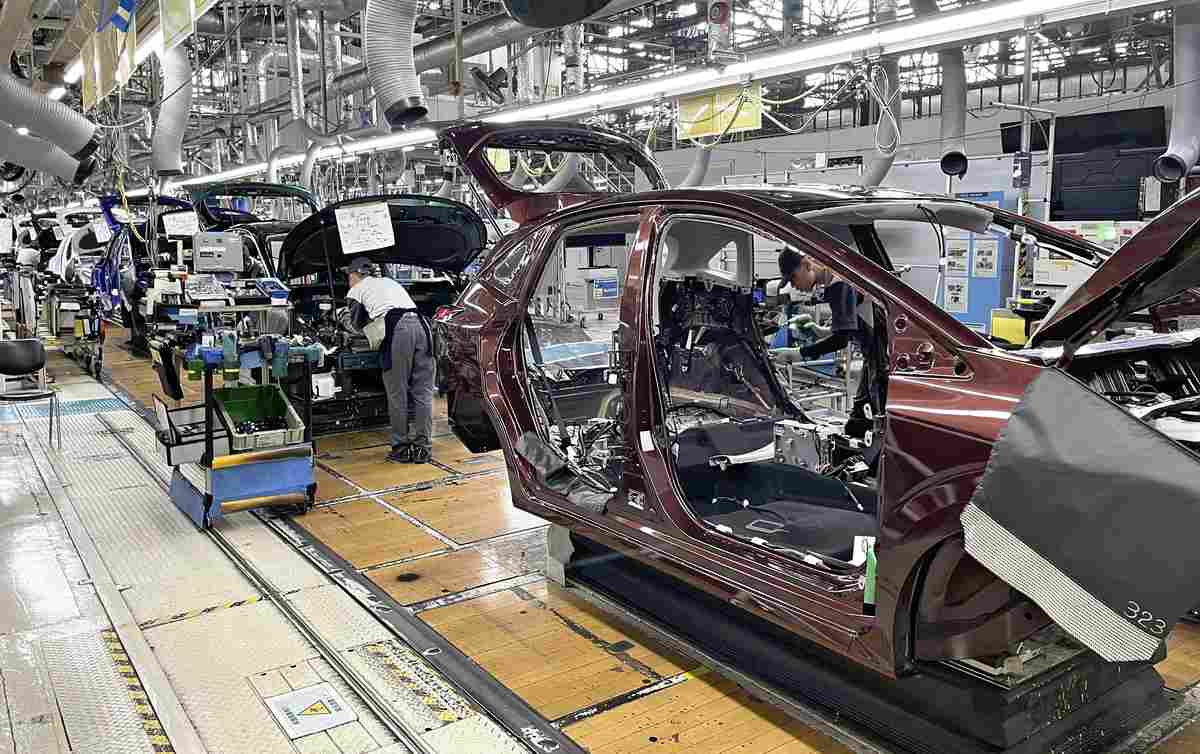
Nissan Motor Co.’s Oppama plant in Yokosuka, Kanagawa Prefecture
1:00 JST, October 10, 2025
Embattled automaker Nissan Motor Co. has told its labor union of its plan that, in principle, production workers at its flagship Oppama plant will be transferred to a subsidiary that operates its Kyushu plant, according to sources.
Nissan plans to cease production at the Oppama plant, which is located in Yokosuka, Kanagawa Prefecture, at the end of March 2028. The Kyushu plant is located in Kanda, Fukuoka Prefecture.
In the past, the automaker has said it needs an increase of more than 1,000 workers at the Kyushu plant, as it aims to bolster the plant’s production capacity. However, it remains unclear whether the labor union and employees will accept the transfer plan. Some experts have predicted that tough negotiations lie ahead.
Nissan President Ivan Espinosa and other members of the management team conveyed the transfer plan to executives of the labor union at a meeting held on Sept. 30. The management team was quoted as saying, “We are considering the transfer in principle of employees directly involved in vehicle production [at the Oppama plant] to our subsidiary, Nissan Motor Kyushu Co. That’s our top priority [in relocating the plant’s workers].”
The Oppama plant is directly operated by Nissan, employing about 2,400 people. The specific number of employees Nissan plans to transfer to the Kyushu plant is unknown. However, it is expected that workers will likely be hesitant to change their residence and become employees of the subsidiary, making it uncertain if the plan will be accepted.
According to Nissan’s explanation to the labor union, the company plans to work on the details of measures to accelerate the transfer, such as sign-on bonuses and support measures for moving house.
The automaker will conduct interviews in around February to March 2026 to confirm workers’ intentions.
The transfer period will be divided into two phases — the first group will receive preliminary notification of the transfer toward the end of June 2026, with transfers scheduled for the first half of fiscal 2027. Nissan plans to transfer the second group to coincide with the Oppama plant ceasing production.
Meanwhile, for employees unwilling to transfer, Nissan will consider relocating them to other departments within the automaker, although their work location and job duties would be decided by the company.
For employees who seek new jobs at other companies near the Oppama plant, Nissan will show job opening information to them, with selection processes expected to begin around July 2026. In cases where workers wish to find new jobs by themselves, Nissan will increase the severance pay and help them with outplacement services.
However, the labor union has responded negatively to the plan. A senior member of the union was quoted as saying, “What [Nissan] must do first is thoroughly explain the purpose [of its restructuring plan] to each worker. It is unacceptable to start with confirming workers’ intentions.”
When Nissan announced the closure of its Zama plant in Kanagawa Prefecture in 1993, it initially planned to relocate about 2,000 workers to the Kyushu plant. However, only about 400 people, mainly those from the Kyushu region, accepted the relocation after undergoing interviews.
“Many workers say they don’t want to move to Kyushu,” said a source related to the Oppama plant. “I assume a considerable number will choose to leave the company.”
The labor union said workers at the Oppama plant have been voicing concern. “I’m not sure whether I should trust the company,” an employee was quoted as telling the labor union. “I fear we ultimately will be pushed to leave the company voluntarily.”
Experts point out that it is necessary for Nissan to swiftly formulate the details of the transfer plan and explain it thoroughly to alleviate the anxiety of employees at the Oppama plant.







Most Read
Popular articles in the past 24 hours
-
Japanese High School Student Aims to Share Kaiten History Through...
-

Business Hotels Expanding into Regional Areas in Japan, Aiming to...
-
Milano Cortina 2026: Japan Sees Leap in Olympic Performance Throu...
-

Chronic Issues Erode Thailand’s Economy as Political Confusion Pe...
-

Milano Cortina 2026: Japan's Satoshi Furuno Places 4th in Men's S...
-

Milano Cortina 2026: Speed Skater Takagi Finishes 6th in the 1,50...
-

Osaka: 40 Ninjas Display Shuriken Throwing Skills at Japan Champi...
-

Fiji Defense Minister Hopes Japan Will Support Stabilization of P...
Popular articles in the past week
-

Japan PM Takaichi’s Cabinet Resigns en Masse
-

Man Infected with Measles Reportedly Dined at Restaurant in Tokyo...
-

Sanae Takaichi Elected Prime Minister of Japan; Keeps All Cabinet...
-

Japan's Govt to Submit Road Map for Growth Strategy in March, PM ...
-

Bus Carrying 40 Passengers Catches Fire on Chuo Expressway; All E...
-

Milano Cortina 2026: Figure Skaters Riku Miura, Ryuichi Kihara Pa...
-
Japan, U.S. Name 3 Inaugural Investment Projects; Reached Agreeme...
-

U.S. Firm to Build Training Hub in Fukushima N-plant for Debris R...
Popular articles in the past month
-
Japan PM Takaichi’s Cabinet Resigns en Masse
-

Japan Institute to Use Domestic Commercial Optical Lattice Clock ...
-

Israeli Ambassador to Japan Speaks about Japan’s Role in the Reco...
-
Man Infected with Measles Reportedly Dined at Restaurant in Tokyo...
-

Videos Plagiarized, Reposted with False Subtitles Claiming ‘Ryuky...
-

Man Infected with Measles May Have Come in Contact with Many Peop...
-

Prudential Life Insurance Plans to Fully Compensate for Damages C...
-

Woman with Measles Visited Hospital in Tokyo Multiple Times Befor...
Top Articles in Business
-
Prudential Life Insurance Plans to Fully Compensate for Damages Caused by Fraudulent Actions Without Waiting for Third-Party Committee Review
-
Narita Airport, Startup in Japan Demonstrate Machine to Compress Clothes for Tourists to Prevent People from Abandoning Suitcases
-
Japan, U.S. Name 3 Inaugural Investment Projects; Reached Agreement After Considerable Difficulty
-
Toyota Motor Group Firm to Sell Clean Energy Greenhouses for Strawberries
-

SoftBank Launches AI Service for Call Centers That Converts Harsh Customer Voices into Softer Voices
JN ACCESS RANKING
-
Japan PM Takaichi’s Cabinet Resigns en Masse
-
Japan Institute to Use Domestic Commercial Optical Lattice Clock to Set Japan Standard Time
-
Israeli Ambassador to Japan Speaks about Japan’s Role in the Reconstruction of Gaza
-
Man Infected with Measles Reportedly Dined at Restaurant in Tokyo Station
-
Videos Plagiarized, Reposted with False Subtitles Claiming ‘Ryukyu Belongs to China’; Anti-China False Information Also Posted in Japan