
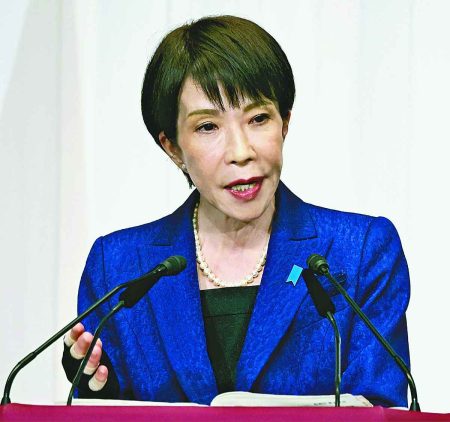
Prime Minister Sanae Takaichi speaks at a press conference at the Liberal Democratic Party headquarters on Feb. 9.
8:00 JST, February 21, 2026
Prime Minister Sanae Takaichi secured a historic landslide victory in the House of Representatives election, having staked her political career on the outcome. The prime minister leveraged her own national popularity to drive votes for Liberal Democratic Party candidates, revitalizing the LDP after a period of declining fortunes. Consequently, some within the LDP are suggesting a time of “Takaichi dominance.” Whether the prime minister can build a long-term administration like that of former Prime Minister Shinzo Abe will likely hinge on how she navigates her relationship with the massive ruling coalition she has created.
The LDP won a postwar record of 316 seats in the lower house election held on Feb. 8. This also marked the first time that the LDP had secured a two-thirds majority on its own. “Winning by this margin was beyond our expectations,” a senior government official said.
Takaichi announced the dissolution of the Diet at a press conference on Jan. 19 and explicitly said she was staking her political future on the election, impressing upon voters that it would be a vote of confidence in her leadership. Just as the prime minister hoped, the election campaign saw a significant response from her supporters.
On Jan. 27, the day the election was officially announced, LDP Vice President Taro Aso was approached by multiple supporters in his own constituency of Iizuka City, Fukuoka Prefecture, who told him, “Please take good care of Takaichi-san.” It’s usually the politicians who ask people for their support and not the other way around, and the veteran Aso remarked, “I’ve never seen that before.”
The prime minister’s campaign rallies drew over-capacity crowds, and young attendees were notably prominent. She heightened voters’ expectations for change with crisp appeals like “turning anxiety into hope.” Takaichi also actively used X, posting after each campaign speech that support for that particular candidate “will strengthen Sanae Takaichi.”
The result was a “Takaichi whirlwind” that swept across the archipelago. After the election, one of the LDP’s top four officials reflected, “The prime minister decided on her own to dissolve the Diet, ran the election single-handedly and won.” The official also said, “No one will be able to oppose the prime minister,” heralding the arrival of an era of “Takaichi dominance.”
However, concerns about the prime minister’s future governance are also being voiced within the LDP. One party official confided to people around him that “it will be problematic if the prime minister increasingly tends to decide things alone.” Takaichi is known for her strong insistence on personally refining individual policies and for not spending much time engaging with the party leadership.
Regarding a possible reduction in the consumption tax on food items, the LDP’s election pledges stated that “consideration is accelerating” for such a move, a promise that was included at Takaichi’s strong desire and without thorough intra-party debate. The prime minister announced her intention to promptly start discussion on a consumption tax cut on food at a bipartisan national council and to present an interim plan before summer.
An aide close to Takaichi said, “We secured a landslide victory by including that in the pledges, so we’ll proceed on the premise of implementation,” but the prime minister still needs to persuade the persistently cautious elements within the LDP.
Takaichi’s influence within the Liberal Democratic Party has surged dramatically, but uniting ruling party lawmakers with diverse views will be no easy task. The ruling party can act as both the accelerator and the brake for the advancement of policies that are prioritized by the prime minister. A veteran LDP member said, “To stabilize management of the government, it is crucial to have close communication between the Prime Minister’s Office and the LDP.” Former Prime Minister Abe, whom Takaichi regards as her political mentor, wrote in his memoir, “Abe Shinzo: Kaikoroku,” that “a government becomes unstable when it loses the trust of the LDP.”
Building a “Team Takaichi” that can support the prime minister and offer tough advice when necessary is also an urgent priority. It is unreasonable for the prime minister to shoulder every policy issue alone; it is also necessary to delegate work to trusted aides.
Takaichi demonstrated decisive leadership and boldness in dissolving the lower house and calling an election. She also says that flexibility is her strength.
Takaichi was elected prime minister and formed the second Takaichi Cabinet on Wednesday. To maintain her momentum within the party, she must combine the leadership to steer the party with the flexibility to listen to dissent and, when necessary, change her judgment. If Takaichi envisions a long-term administration, she must be prepared to continuously pursue this difficult balance. She has gained great power and is burdened with a “heavy responsibility,” as she herself has stated.
Political Pulse appears every Saturday.
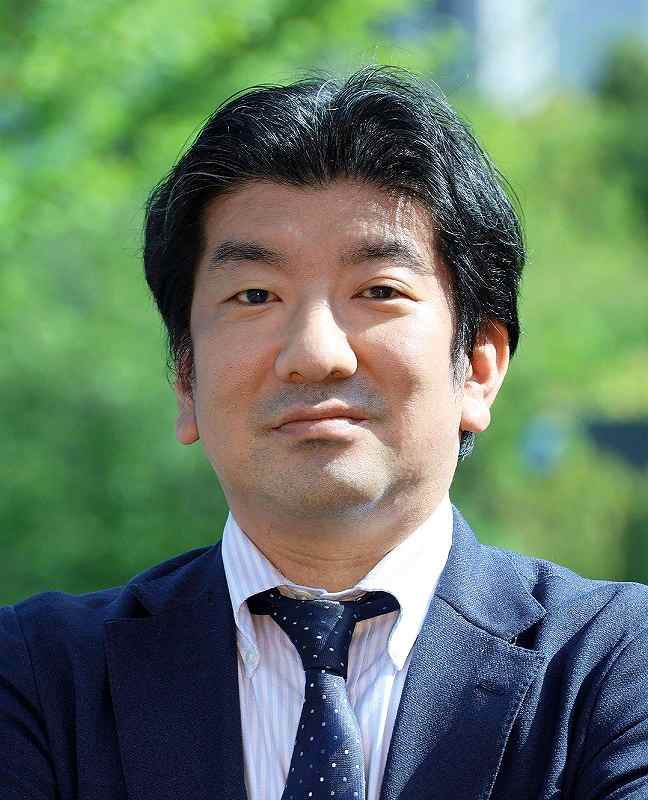
Michitaka Kaiya
Michitaka Kaiya is a deputy editor in the Political News Department of The Yomiuri Shimbun.





Most Read
Popular articles in the past 24 hours
-

Milano Cortina 2026: Kaori Sakamoto Wins Silver, Ami Nakai Takes ...
-
Approval of Takaichi Cabinet Stands at 73%; Yomiuri Survey Finds ...
-

New Japanese Animated Film ‘A New Dawn’ Applauded at Berlin Inter...
-

Baby Monkey Punch Captures Hearts at Chiba Pref. Zoo, on Social M...
-

Ex-ROK President Yoon Gets Life Sentence: Declaration of Martial ...
-
Early-Blooming Cherry Blossoms Adorn Former Samurai Residences in...
-

CARTOON OF THE DAY (February 20)
-

Milano Cortina 2026: Russian Skating Dynasty Leaves Milan with No...
Popular articles in the past week
-

Japan PM Takaichi’s Cabinet Resigns en Masse
-

Man Infected with Measles Reportedly Dined at Restaurant in Tokyo...
-

Videos Plagiarized, Reposted with False Subtitles Claiming ‘Ryuky...
-

Sanae Takaichi Elected 105th Prime Minister of Japan; Keeps All C...
-

Japan's Govt to Submit Road Map for Growth Strategy in March, PM ...
-

Milano Cortina 2026: Figure Skaters Riku Miura, Ryuichi Kihara Pa...
-

Bus Carrying 40 Passengers Catches Fire on Chuo Expressway; All E...
-

Tokyo’s New Record-Breaking Fountain Named ‘Tokyo Aqua Symphony’
Popular articles in the past month
-
Japan PM Takaichi’s Cabinet Resigns en Masse
-

Japan Institute to Use Domestic Commercial Optical Lattice Clock ...
-

Israeli Ambassador to Japan Speaks about Japan’s Role in the Reco...
-
Man Infected with Measles Reportedly Dined at Restaurant in Tokyo...
-

Man Infected with Measles May Have Come in Contact with Many Peop...
-
Videos Plagiarized, Reposted with False Subtitles Claiming ‘Ryuky...
-

Prudential Life Insurance Plans to Fully Compensate for Damages C...
-

Woman with Measles Visited Hospital in Tokyo Multiple Times Befor...
Top Articles in Editorial & Columns
-
Riku-Ryu Pair Wins Gold Medal: Their Strong Bond Leads to Major Comeback Victory
-

40 Million Foreign Visitors to Japan: Urgent Measures Should Be Implemented to Tackle Overtourism
-
University of Tokyo Professor Arrested: Serious Lack of Ethical Sense, Failure of Institutional Governance
-
China Provoked Takaichi into Risky Move of Dissolving House of Representatives, But It’s a Gamble She Just Might Win
-
Policy Measures on Foreign Nationals: How Should Stricter Regulations and Coexistence Be Balanced?
JN ACCESS RANKING
-
Japan PM Takaichi’s Cabinet Resigns en Masse
-
Japan Institute to Use Domestic Commercial Optical Lattice Clock to Set Japan Standard Time
-
Israeli Ambassador to Japan Speaks about Japan’s Role in the Reconstruction of Gaza
-
Man Infected with Measles Reportedly Dined at Restaurant in Tokyo Station
-
Man Infected with Measles May Have Come in Contact with Many People in Tokyo, Went to Store, Restaurant Around When Symptoms Emerged