
ANA to Introduce Flexible Intl Flight Schedule, Adjusting Flight Frequency in Response to Demand
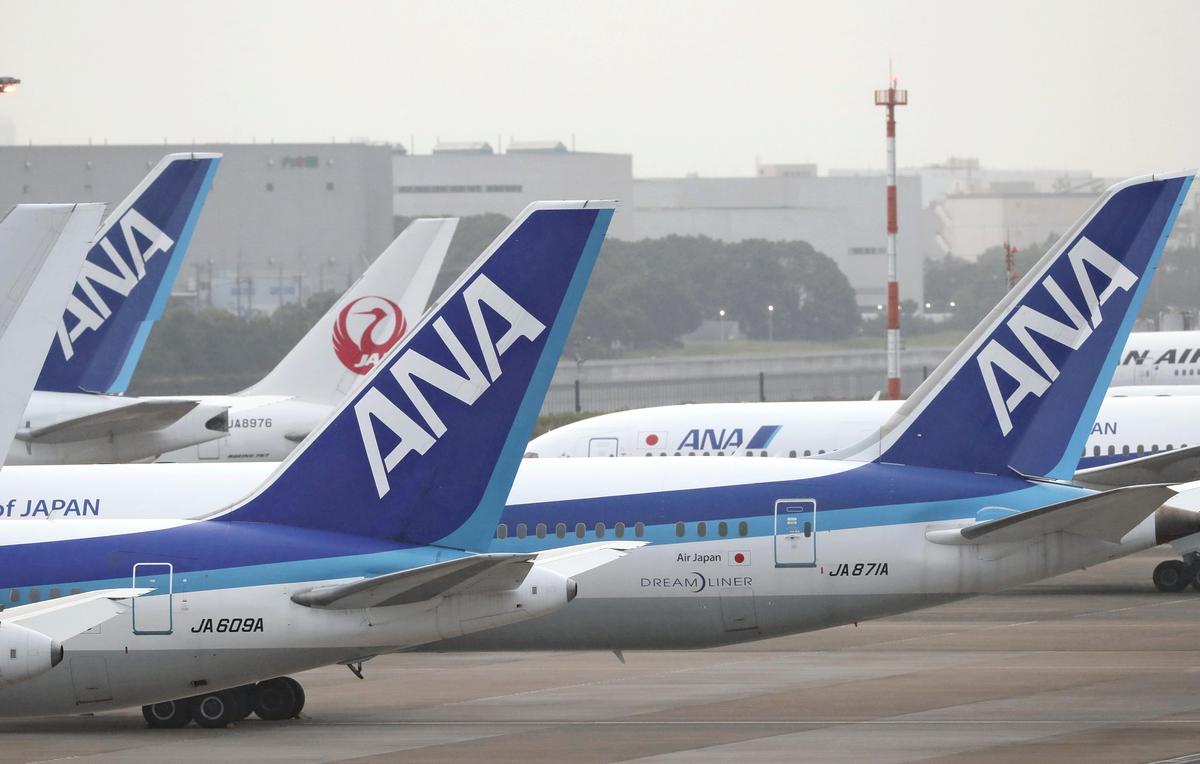
Planes of All Nippon Airways Co.
15:30 JST, January 29, 2026
All Nippon Airways Co. will introduce flexible flight scheduling for international routes on a weekly basis from March, in order to meet changing demand of foreign visitors to Japan, The Yomiuri Shimbun has learned.
ANA currently operates flights on two seasonal schedules for summer and winter. It is rare for an airline to adjust flight frequencies at this scale in response to travel demand.
With the introduction of the new service, ANA is expected to improve profits through increased passenger numbers and a higher passenger load. The move is also expected to make purchasing tickets easier for customers, with an increase in flights during peak periods.
Airlines usually schedule flights in two blocks — summer, or a seven-month period from late March to late October, and winter, or the remaining five-month period — setting routes, day and time, often on a weekly basis.
Under the new system, ANA will adjust the number of flights on a weekly basis, while respecting current scheduling.
For example, with some visitors from Singapore typically touching down during cherry blossom season, flights between Narita Airport and Singapore, usually operated seven times a week, will be increased to 14 during certain periods, including from April 20 to May 8.
According to the Japan National Tourism Organization, about 60,000 Singaporeans visited Japan in April and May last year, respectively, compared to only about 20,000 in August.
Conversely, flights between Narita Airport and Mumbai, usually run seven times a week, will be cut back to three from July 18 to Aug. 31 due to an anticipated decrease in passengers during the period.
ANA has already implemented flexible scheduling for domestic flights.
Regarding the system for international flights, the challenge was to clear the various hurdles with partner countries and find available planes.
ANA is believed to have determined the new system was feasible after analyzing less busy airport time slots and conducting necessary negotiations.





Most Read
Popular articles in the past 24 hours
-

Voters Using AI to Choose Candidates in Japan's Upcoming General ...
-

Japan's Snow-Clad Beauty: Camellia Flowers Seen in Winter Bloom a...
-

Monkey Strikes Junior High School Girl from Behind in Japan's Yam...
-

Genichiro Inokuma's Mural in Ueno Station That Gave Hope in Postw...
-

Senior Japanese Citizens Return to University to Gain Knowledge, ...
-

Foreign and Security Policy: Political Parties Must Discuss How T...
-

Heavy Snow Linked to 30 Deaths across Japan since Late Jan.; JMA ...
-

Tokyo Police Arrest Head of Resignation Assistance Firm
Popular articles in the past week
-

Japan Institute to Use Domestic Commercial Optical Lattice Clock ...
-
Australian Woman Dies After Mishap on Ski Lift in Nagano Prefectu...
-
Foreign Snowboarder in Serious Condition After Hanging in Midair ...
-

Chinese Embassy in Japan Reiterates Call for Chinese People to Re...
-
Narita Airport, Startup in Japan Demonstrate Machine to Compress ...
-

Toyota Motor Group Firm to Sell Clean Energy Greenhouses for Stra...
-

Sakie Yokota, Last Surviving Parent of a North Korea Abductee, Ur...
-

Beer Yeast Helps Save Labor, Water Use in Growing Rice; Govt Hope...
Popular articles in the past month
-
Univ. in Japan, Tokyo-Based Startup to Develop Satellite for Disa...
-

JAL, ANA Cancel Flights During 3-day Holiday Weekend due to Blizz...
-
China Confirmed to Be Operating Drilling Vessel Near Japan-China ...
-

China Eyes Rare Earth Foothold in Malaysia to Maintain Dominance,...
-
M6.2 Earthquake Hits Japan's Tottori, Shimane Prefectures; No Tsu...
-
Japan Institute to Use Domestic Commercial Optical Lattice Clock ...
-

Japan, Qatar Ministers Agree on Need for Stable Energy Supplies; ...
-

Japan, Italy to Boost LNG Cooperation; Aimed at Diversifying Japa...
Top Articles in Business
-
Japan, Italy to Boost LNG Cooperation; Aimed at Diversifying Japan’s LNG Sources
-

Honda to Launch New Electric Motorbike in Vietnam
-

Asics Opens Factory for Onitsuka Tiger Brand in Western Japan
-
Japan’s ANA to Introduce Nationwide Logistics Service Using Drones, Will Be Used to Deliver Supplies in Remote Areas
-
JR Tokai, Shizuoka Pref. Agree on Water Resources for Maglev Train Construction
JN ACCESS RANKING
-
Univ. in Japan, Tokyo-Based Startup to Develop Satellite for Disaster Prevention Measures, Bears
-
JAL, ANA Cancel Flights During 3-day Holiday Weekend due to Blizzard
-
China Confirmed to Be Operating Drilling Vessel Near Japan-China Median Line
-
China Eyes Rare Earth Foothold in Malaysia to Maintain Dominance, Counter Japan, U.S.
-
Japan Institute to Use Domestic Commercial Optical Lattice Clock to Set Japan Standard Time