
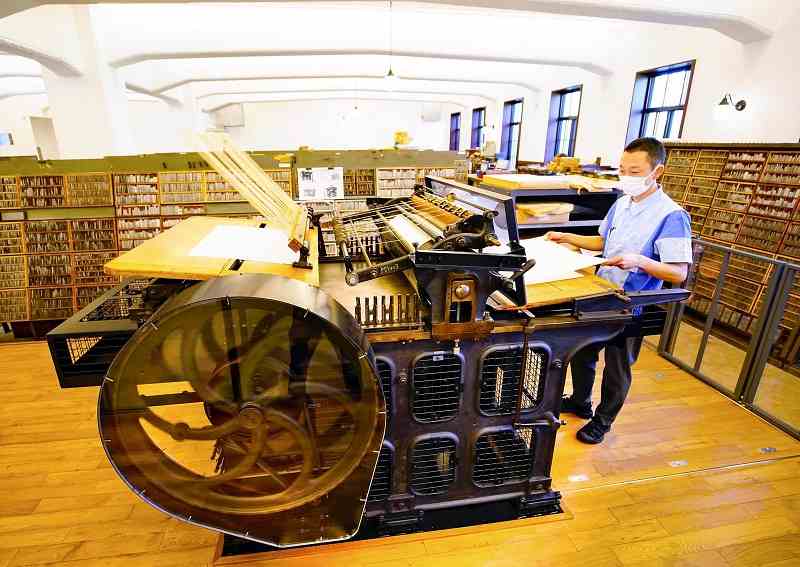
A flatbed letterpress printing machine
17:21 JST, May 17, 2022
Letterpress printing is a process that requires individual types, which are letters that are sometimes the size of a grain of rice, to be placed in a frame by hand to form words and sentences. Before electronic editing became the norm, letterpress printing was a technique that was essential to the publishing industry.
The Ichigaya Letterpress Factory, a museum located next to Dai Nippon Printing Co.’s headquarters in Shinjuku Ward, Tokyo, introduces visitors to the process of letterpress printing from type production to printing and bookbinding. The museum also displays working machines.
The museum opened last year at the former site of Dai Nippon Printing’s main factory to show the history and appeal of the letterpress. Famous publications such as the weekly magazine Shukan Shincho and the Kojien dictionary used to be printed at the factory.
One of the main items on display at the museum is a flatbed letterpress machine that was used during the early Showa era (1926-89). The type bed moves backward and forward, pressing ink onto the type. Then, the freshly inked type passes under the impression cylinder to print onto a sheet of paper. One could never tire of looking at the claws on the cylinder as it grips the printed page.
Letterpress plate makers used to quickly find types they needed from shelves, or uma, while looking at a manuscript, and then arrange them inside the frame by hand. The plate makers would also insert metal pieces among the types. Some of the metal pieces were interu, which created the spaces between the lines, and kuwata, which filled the blank spaces at the end of each sentence and other sections. The entire process is shown in a video at the museum.
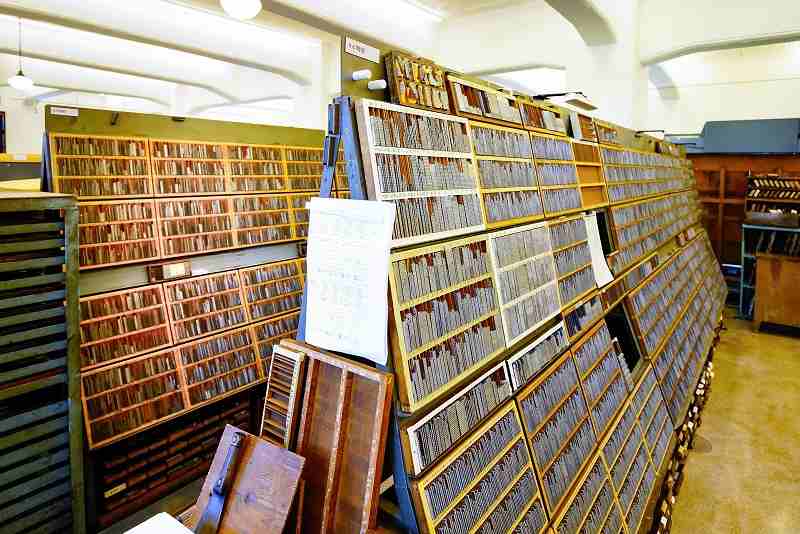
Types are stored on uma shelves
Types used to be produced at the factory as well. The letters were first written by hand on a piece of paper about the size of a playing card. A machine called a letterpress pantograph was then used to reduce the size of the letters and inscribe them into a matrix, which served as a type template. As a large pen-like component traced the original letters, an engraver moved in tandem.
Since a new matrix had to be created for each font size and typeface, there are said to be as many as 300,000 matrices at the main factory, which printed a variety of books and magazines.
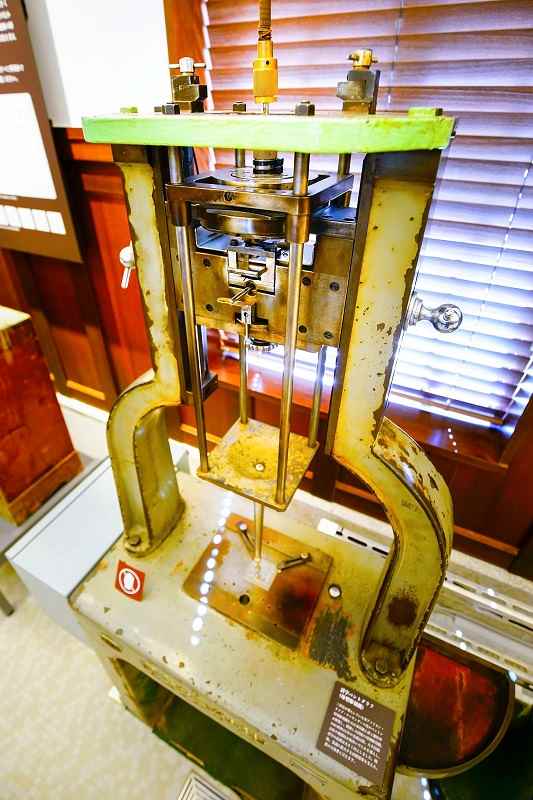
A letterpress pantograph
An automatic casting machine, which mass produces types, and a threading machine used to bind books are also on display at the museum.
Visitors can get hands-on experience printing and making books in classes offered at the museum.
“We want visitors to learn about all the fun things that can be done through printing,” said Ai Sasaki, who works for the museum.
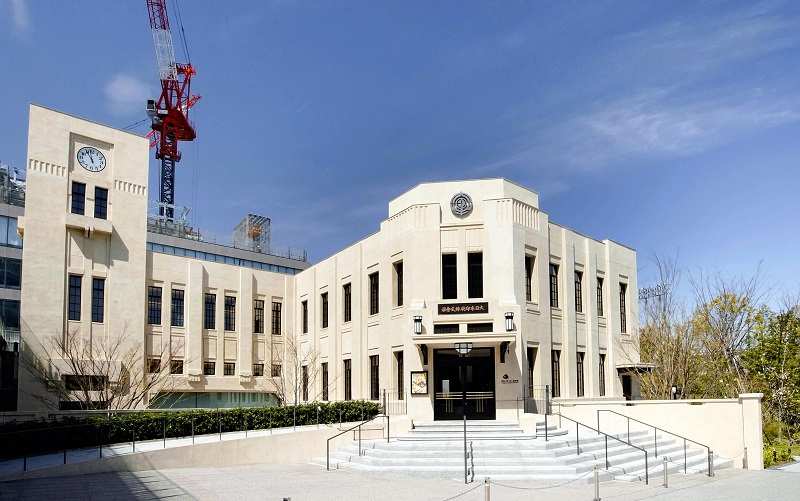
The Ichigaya Letterpress Factory
Ichigaya Letterpress Factory
The museum is located in the restored clock tower on the premise of Dai Nippon Printing Co.’s Ichigaya plant, which was completed in 1926. The clock face, which serves as the symbol for the museum, is said to have been restored based on a photograph of the old building.
Address: 1-1-1 Ichigayakagacho, Shinjuku Ward, Tokyo
Hours: 11:30 a.m. to 8 p.m. on weekdays and 10 a.m. to 6 p.m. on weekends and national holidays. Closed on Mondays and Tuesdays, unless they fall on a national holiday.
Admission: Free (reservation required)


Related Tags




Most Read
Popular articles in the past 24 hours
-

Japan to Strictly Control Exports of Lethal Defense Equipment Whi...
-

High-Hydration Bread on the Rise, Seeing Increase in Specialty Sh...
-

Japan's Prime Minister Sanae Takaichi Is ‘World's Most Powerful W...
-
White and Pink Plum Blossoms Begin to Bloom at Yuki Shrine in Jap...
-
17-Year-Old Fatally Stabbed in Osaka’s Dotonbori; Suspect at Larg...
-

Reform of Retrial System: Diet Must Thoroughly Discuss Remedies f...
-

Gold Smuggling into Japan Running Rampant
-

Bear Found in Warehouse in Fukushima Prefecture Culled
Popular articles in the past week
-

Prudential Life Insurance Plans to Fully Compensate for Damages C...
-

Woman with Measles Visited Hospital in Tokyo Multiple Times Befor...
-

Woman with No Overseas Travel History Infected with Measles in Na...
-

Measles Patient Flew Between Tokyo, Hokkaido in Late January; Lik...
-

Milano Cortina 2026: Kokomo Murase Comes Out on Top After Overcom...
-
CRA Leadership Election Will Center on Party Rebuilding; Lower Ho...
-

Videos Plagiarized, Reposted with False Subtitles Claiming ‘Ryuky...
-
Crime in Japan Ticks Up for 4th Straight Year
Popular articles in the past month
-

Japan Institute to Use Domestic Commercial Optical Lattice Clock ...
-

Israeli Ambassador to Japan Speaks about Japan’s Role in the Reco...
-

Man Infected with Measles May Have Come in Contact with Many Peop...
-

China Eyes Rare Earth Foothold in Malaysia to Maintain Dominance,...
-
Prudential Life Insurance Plans to Fully Compensate for Damages C...
-
Woman with Measles Visited Hospital in Tokyo Multiple Times Befor...
-

Australian Woman Dies After Mishap on Ski Lift in Nagano Prefectu...
-

Foreign Snowboarder in Serious Condition After Hanging in Midair ...
Top Articles in Features
-
Sapporo Snow Festival Opens with 210 Snow and Ice Sculptures at 3 Venues in Hokkaido, Features Huge Dogu
-

Tourists Flock to Ice Dome Lodge at Resort in Hokkaido, Japan; Facility Invites Visitors to Sleep on Beds Made of Ice
-

Maltese Pavilion’s Famous Ftira Bread Now Available in Osaka; Loaves Became Popular during 2025 Osaka-Kansai Expo
-

Venison from Culled Deer Made into Prepackaged Curry in Mie Pref. City, Creator Hopes to Inspire Young People to Hunt
-
Japan’s Ginkakuji Temple to Increase Admission Fees for 1st Time in 32 Years from April
JN ACCESS RANKING
-
Japan Institute to Use Domestic Commercial Optical Lattice Clock to Set Japan Standard Time
-
Israeli Ambassador to Japan Speaks about Japan’s Role in the Reconstruction of Gaza
-
Man Infected with Measles May Have Come in Contact with Many People in Tokyo, Went to Store, Restaurant Around When Symptoms Emerged
-
China Eyes Rare Earth Foothold in Malaysia to Maintain Dominance, Counter Japan, U.S.
-
Prudential Life Insurance Plans to Fully Compensate for Damages Caused by Fraudulent Actions Without Waiting for Third-Party Committee Review